The Science Behind Birkenstock's Cork Footbed: How Natural Materials Support Your Feet
By birkenstock | Published: 2026-06-23
Category: Industry News
Discover the science of Birkenstock's cork footbed—how natural materials like cork, jute, and latex create unmatched arch support, shock absorption, and long-term foot health benefits.
For decades, Birkenstock has been synonymous with comfort, durability, and foot health. At the heart of every pair lies a meticulously engineered component: the cork footbed. While many shoe brands rely on synthetic foams and gel inserts, Birkenstock’s commitment to natural materials sets its footwear apart. Understanding the science behind the cork footbed reveals why it remains a gold standard in orthopedic support and sustainable design. In this article, we'll explore the anatomy of the footbed, the role of each natural material, and how this construction benefits your feet over time.
The Anatomy of a Birkenstock Cork Footbed
The Birkenstock cork footbed is not a single piece of cork; it's a multi-layered system that mimics the natural contours of a healthy foot. Each layer serves a distinct purpose, working together to provide support, cushioning, and moisture management. The footbed comprises four primary components: the cork and latex core, the jute layer, the suede lining, and the outsole. Together, these materials create a dynamic support system that adapts to your foot's shape.
Cork and Latex Core: The Foundation of Support
The core of the footbed is a blend of natural cork granules and latex. Cork, harvested from the bark of the cork oak tree, is lightweight, resilient, and naturally antimicrobial. Latex, derived from rubber trees, adds elasticity and flexibility. This combination allows the footbed to compress under pressure and rebound, providing both shock absorption and energy return. Over time, the cork molds to the unique shape of your foot, creating a custom orthotic that offers personalized arch support. This is why many wearers report that their Birkenstocks become more comfortable with age — the footbed literally learns your foot.
Jute Layer: Structural Integrity and Moisture Control
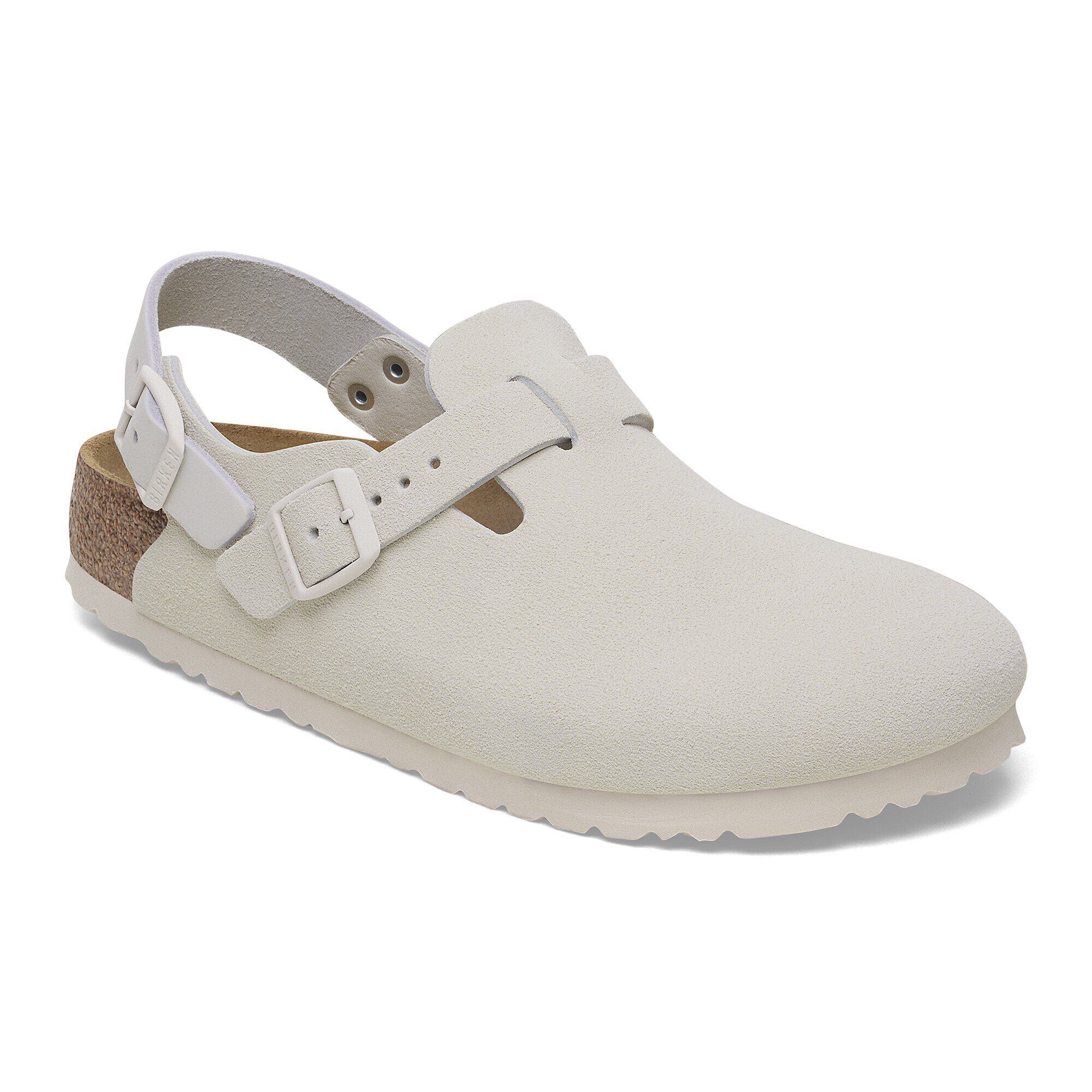
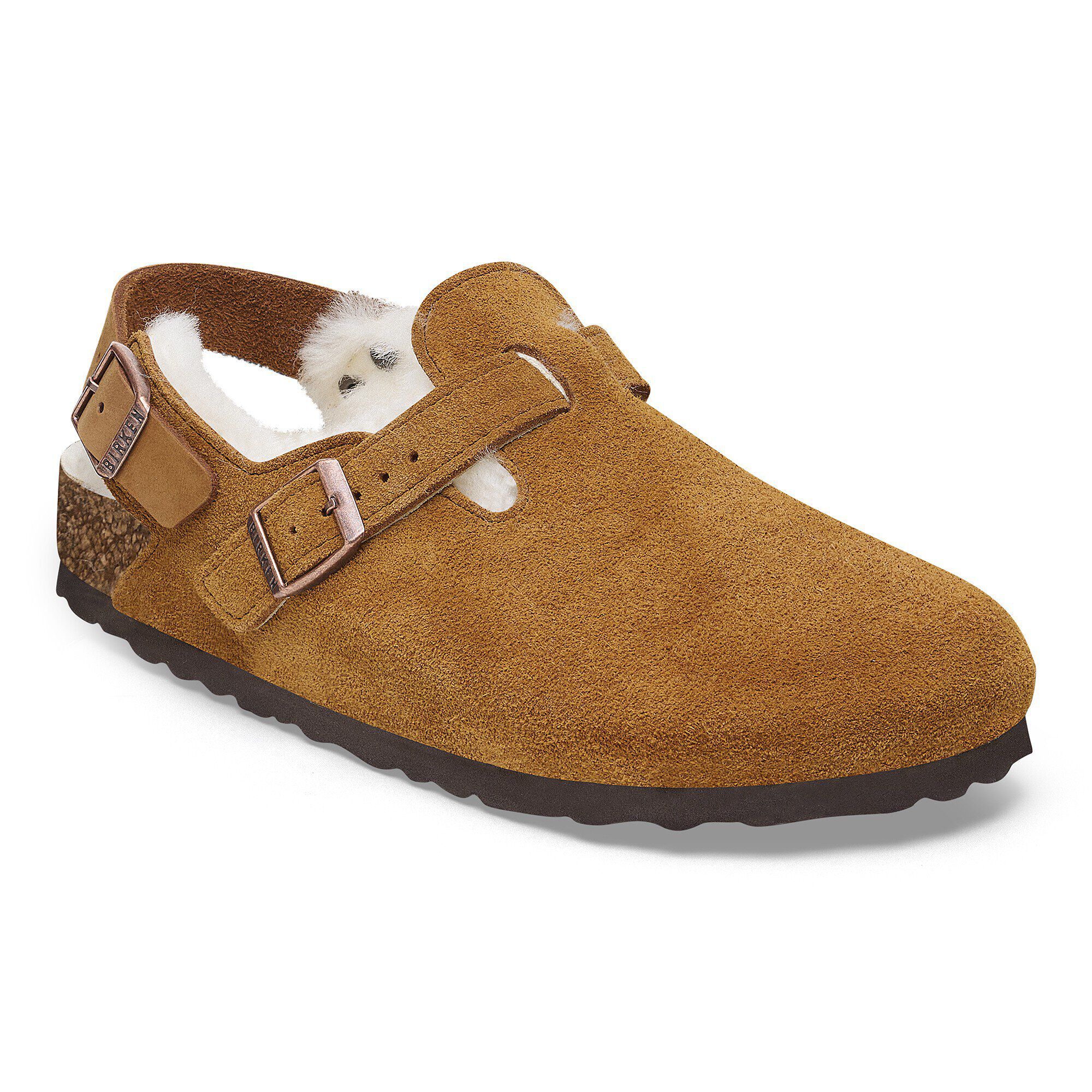
Between the cork core and the footbed lining lies a thin layer of jute, a natural fiber known for its strength and breathability. Jute acts as a stabilizer, preventing the cork from shifting or deforming under repeated stress. Additionally, jute wicks moisture away from the foot, keeping the footbed dry and reducing the risk of odor. This natural moisture management is especially beneficial in closed styles like the Tokio Shearling Suede Leather, where warmth is paired with breathability.
Suede Lining: Comfort and Grip
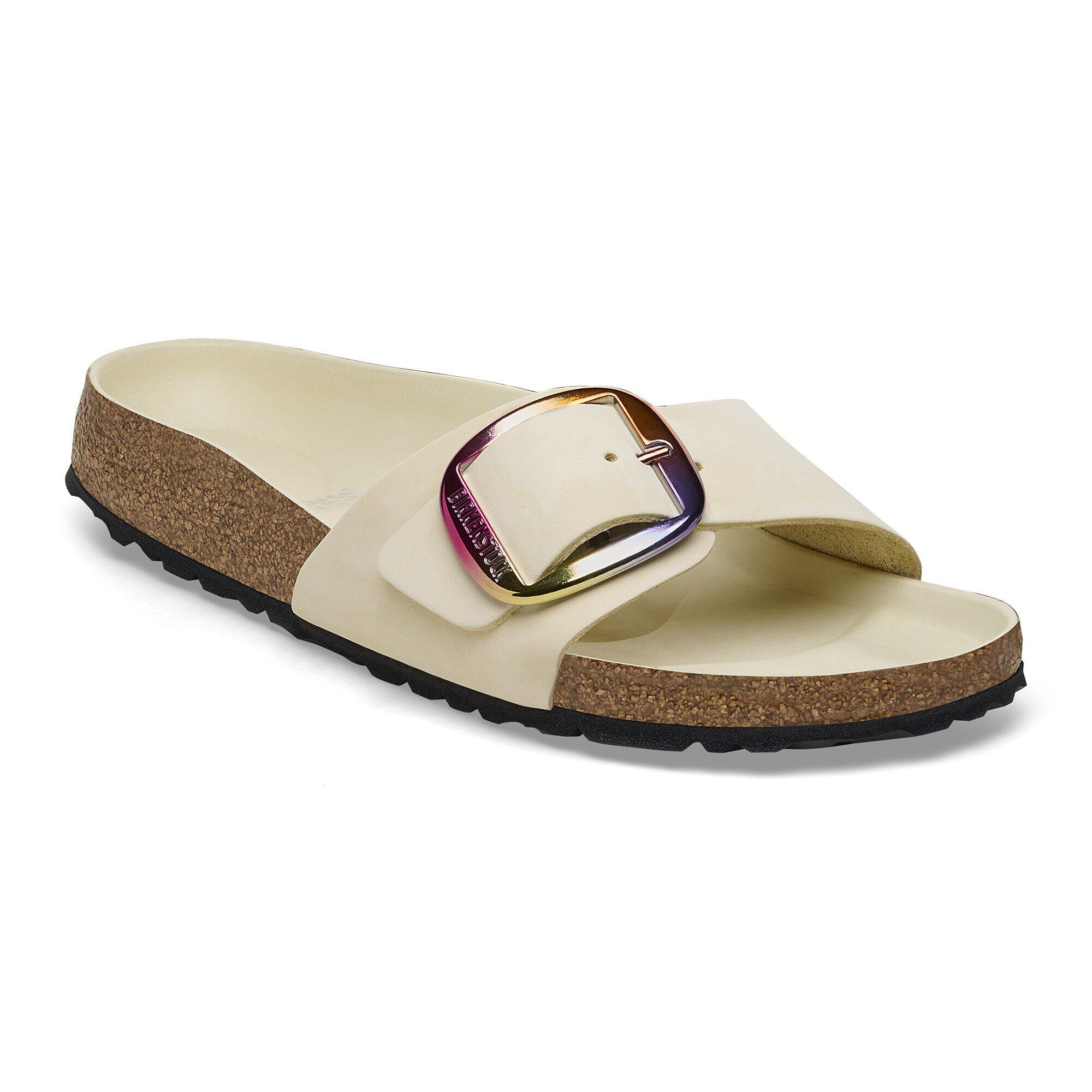
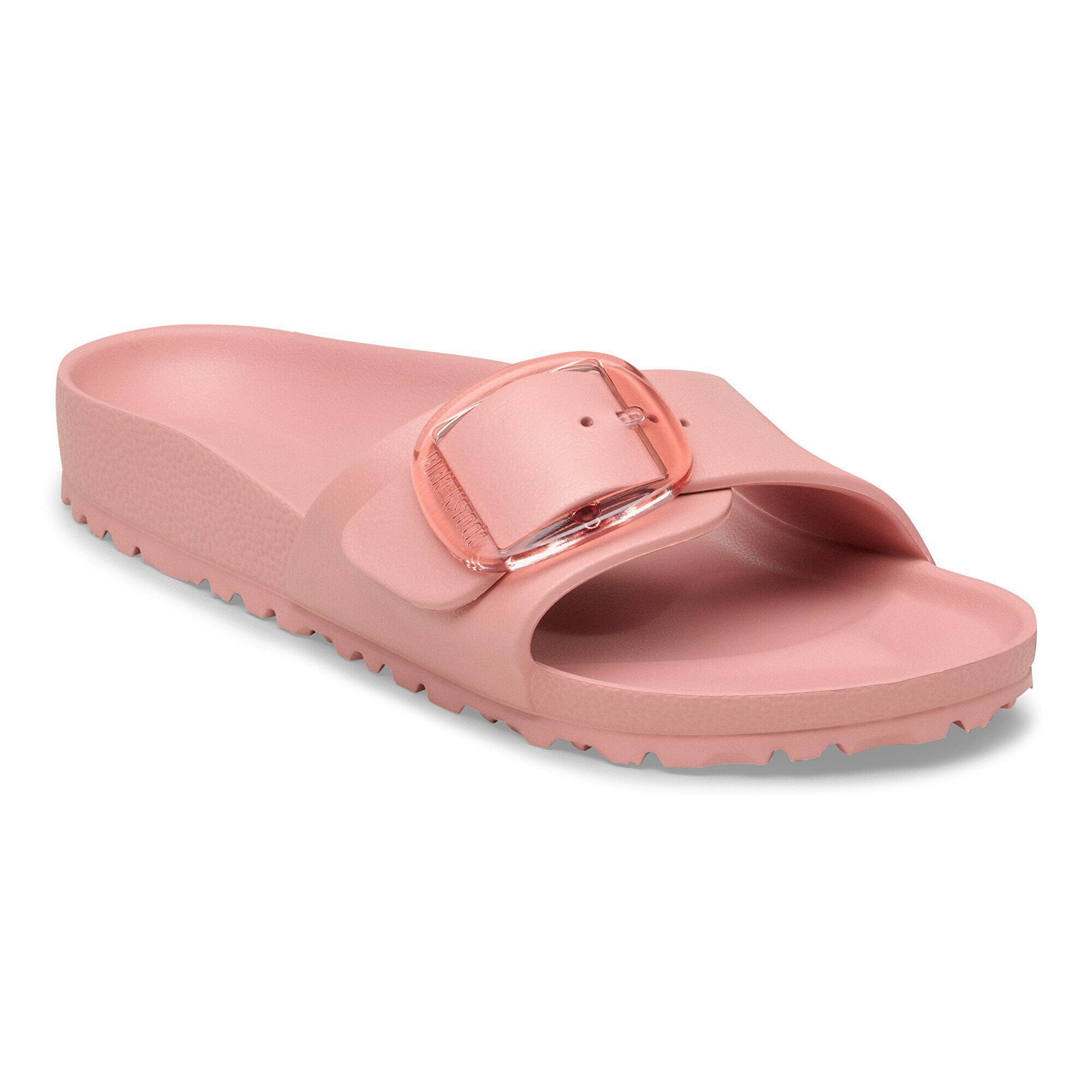
The top layer of the footbed is typically covered in soft suede, which provides a gentle, non-slip surface against the skin. Suede is naturally breathable and helps regulate temperature, ensuring your feet stay comfortable in both warm and cool conditions. The suede also absorbs minor moisture, enhancing the overall footbed climate. This material choice is particularly appreciated in open sandals like the Madrid Big Buckle EVA, where direct skin contact demands both comfort and durability.
How the Cork Footbed Supports Foot Health
The science of the Birkenstock cork footbed goes beyond comfort — it actively promotes foot health. The contoured design features a deep heel cup, pronounced arch support, and a toe grip bar. These elements work together to align the foot in its natural position, reducing strain on the plantar fascia, achilles tendon, and knees. By encouraging proper gait, the footbed can alleviate common issues such as plantar fasciitis, flat feet, and overpronation.
Shock Absorption and Energy Return
The cork-latex blend excels at absorbing impact forces during walking or standing. Unlike rigid materials, cork compresses slightly under load, dissipating energy and reducing stress on joints. The latex then returns that energy, propelling you into your next step. This combination provides a balance of cushioning and responsiveness that synthetic foams often fail to replicate. For healthcare workers or travelers who spend hours on their feet, this shock absorption is a game-changer.
Molding to Your Foot: The Custom Fit
One of the most remarkable aspects of the cork footbed is its ability to mold to your foot over time. As you wear the sandals or shoes, the cork gradually compresses in areas of high pressure, creating a personalized impression. This process, known as “breaking in,” typically takes a few weeks. The result is a footbed that matches the exact contours of your arches, metatarsals, and heel — something no mass-produced synthetic insole can achieve. For those new to Birkenstock, starting with a style like the Bend Low Suede Leather can ease the transition while still offering the full benefits of the cork footbed.
Sustainability and Ethical Material Sourcing
Beyond biomechanics, Birkenstock’s choice of natural materials reflects a commitment to sustainability. Cork is harvested without harming the tree, and the bark regenerates every nine years, making it a renewable resource. Latex is tapped from rubber trees, and jute is grown with minimal water and pesticides. The company also uses water-based adhesives and recycled packaging, reducing its environmental footprint. Choosing Birkenstock means supporting a circular approach to footwear — durable shoes that can be resoled and repaired, rather than discarded.
The Role of EVA in Water-Friendly Styles
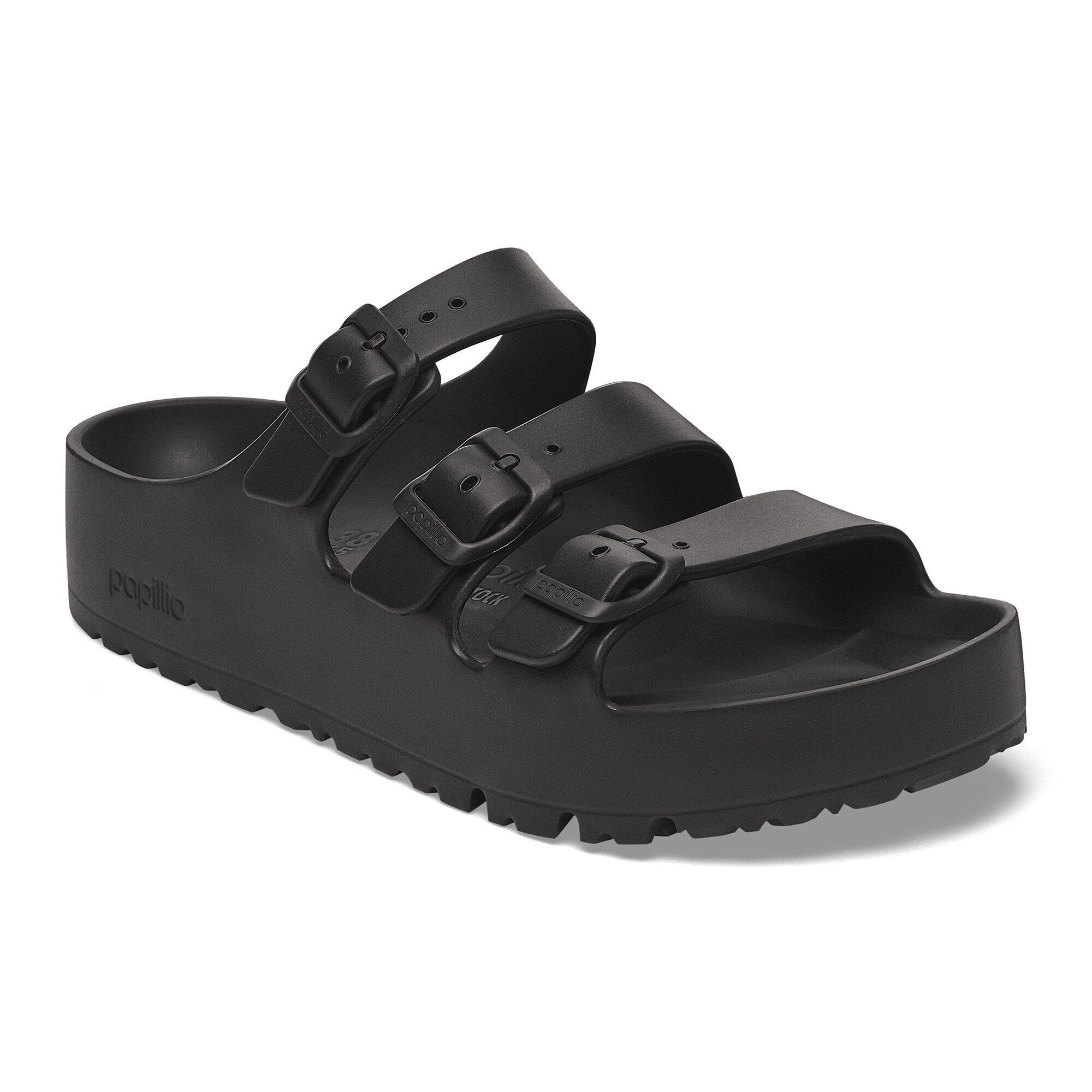
While cork is ideal for most conditions, Birkenstock also offers EVA (ethylene-vinyl acetate) variants for water-friendly use. The Arizona Big Buckle EVA and other EVA models provide the same anatomical footbed shape in a lightweight, waterproof material. EVA is not biodegradable, but it is fully recyclable, and its durability allows for extended wear. For beach days or poolside adventures, EVA footbeds offer the same ergonomic benefits as cork, ensuring you never have to compromise on support.
Comparing Natural vs. Synthetic Footbeds
| Feature | Natural Cork-Latex Footbed | Synthetic Foam/ Gel Insoles |
|---|---|---|
| Material Composition | Cork, latex, jute, suede | PU foam, EVA, silicone gel |
| Biodegradability | High (cork, jute, latex) | Low (petroleum-based) |
| Custom Molding | Yes, over time | No (pre-formed) |
| Shock Absorption | Excellent, with energy return | Good, but degrades |
| Longevity | Years (resoleable) | 6-12 months |
| Moisture Management | Natural wicking (jute, suede) | Often traps moisture |
As the table illustrates, natural footbeds offer distinct advantages in sustainability, customization, and long-term comfort. While synthetic alternatives may feel soft initially, they lack the adaptive qualities that make Birkenstock’s cork footbed a true investment in foot health.
Practical Tips for Breaking In Your Birkenstock Cork Footbed
To fully benefit from the cork footbed, proper break-in is essential. Start by wearing your new Birkenstocks for just a few hours each day, gradually increasing wear time. Avoid long walks or standing sessions in the first week. If you experience pressure points, use a hairdryer on low heat to warm the cork and speed up molding. Alternatively, wear thick socks with closed styles like the Bend Low Suede Leather Embossed to stretch the footbed gently. Patience pays off — once broken in, your footbed will feel like a second skin.
Conclusion: Natural Materials, Lasting Comfort
The science behind Birkenstock’s cork footbed reveals a sophisticated interplay of natural materials that prioritize foot health and environmental responsibility. By understanding how cork, latex, jute, and suede work together, you can appreciate why Birkenstock footwear remains a trusted choice for millions worldwide. Whether you’re seeking daily support or sustainable style, the cork footbed delivers where synthetic alternatives fall short. Embrace the comfort of nature’s own orthotic — your feet will thank you.
Ready to experience the science for yourself? Explore the Florida Fresh Nubuck Leather sandal, featuring the iconic cork footbed that adapts to your foot over time. Step into natural support today.