Birkenstock vs. Orthopedic Inserts: Do Cork Footbeds Replace Custom Orthotics?
By birkenstock | Published: 2026-06-22
Category: Industry News
Explore how Birkenstock's cork footbeds compare to custom orthotics for arch support and foot health. Discover when sandals like Arizona Big Buckle EVA can replace inserts and when they can't.
For anyone dealing with foot pain, flat feet, or plantar fasciitis, the search for reliable arch support often leads to two solutions: custom orthopedic inserts or a pair of Birkenstock sandals. With their iconic cork footbed, Birkenstocks have built a reputation as a podiatrist-approved alternative to prescription orthotics. But can a pair of sandals truly replace custom orthotics? This article breaks down the structural design of the Birkenstock footbed, compares it to typical orthotic inserts, and helps you decide when a pair of Arizona Big Buckle EVA might be enough — and when you still need a custom prescription.
How the Birkenstock Cork Footbed Works
The Birkenstock footbed is not just a flat layer of cork — it is a carefully engineered anatomical shape that mimics the natural contours of a healthy foot. Unlike most footwear, which relies on aftermarket inserts for support, Birkenstock builds the support directly into the sandal or shoe. The key elements include:
- A deep heel cup that cradles the calcaneus (heel bone) and keeps the foot aligned.
- Longitudinal arch support that rises along the inner side of the foot to prevent overpronation.
- A metatarsal pad positioned just behind the ball of the foot to encourage natural toe splay.
- A toe grip ridge that helps the toes grip naturally, improving balance.
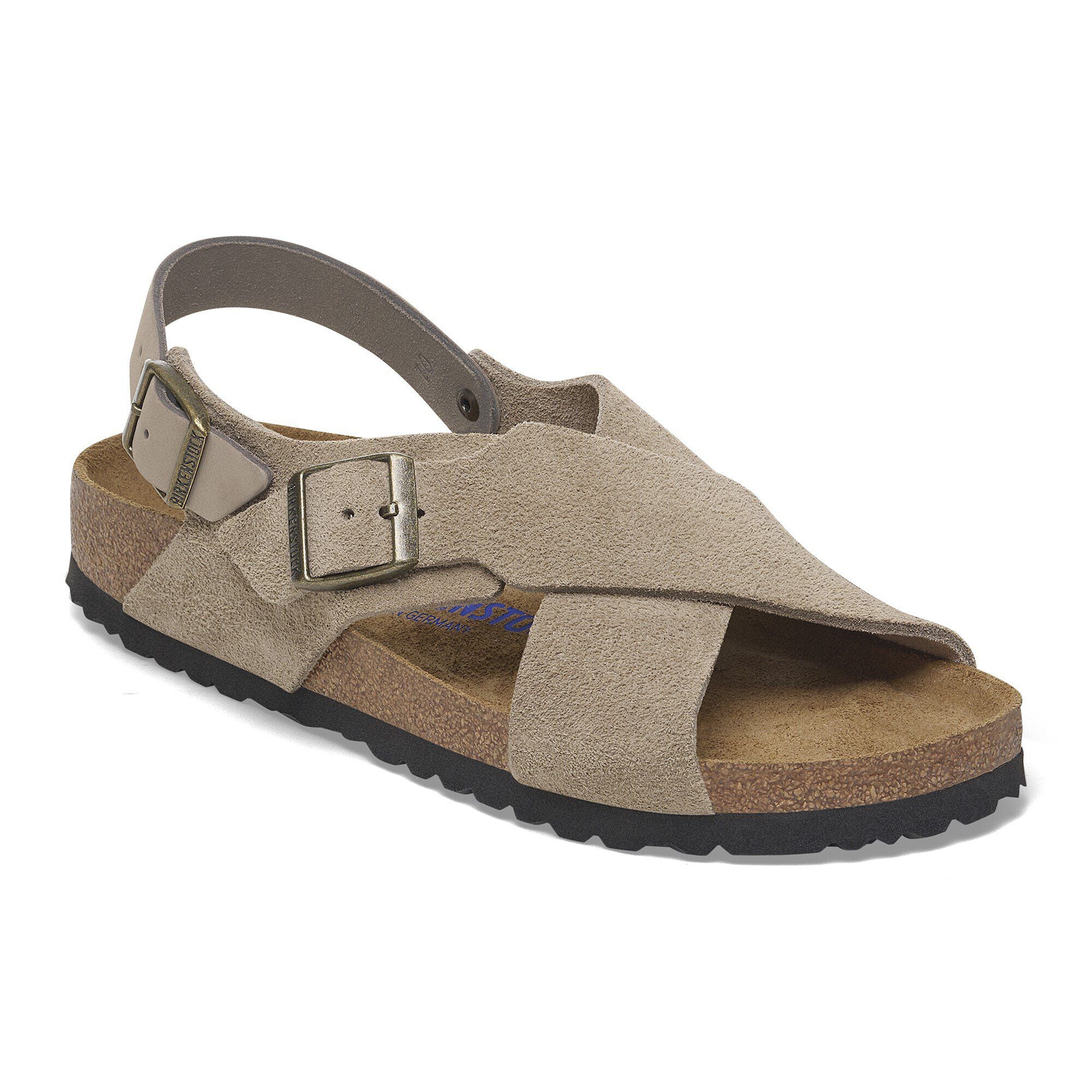
The footbed is made from a blend of natural cork, latex, and jute, then covered with suede. Over time, it molds to the wearer's foot, creating a custom-like fit. This dynamic adaptation is a major reason why Birkenstock arch support feels different from a generic drugstore insert.
Birkenstock vs. Orthotics: Key Structural Differences
Custom orthotics are prescription medical devices designed by a podiatrist or orthopedist to correct specific biomechanical issues. They are typically made from rigid or semi-rigid materials and are placed inside a neutral shoe. Here is how the Birkenstock footbed compares:
| Feature | Birkenstock Cork Footbed | Custom Orthotic Insert |
|---|---|---|
| Arch height | Fixed medium-high arch (suitable for most feet) | Custom-molded to your exact arch height |
| Rigidity | Flexible yet supportive (cork compresses over time) | Rigid or semi-rigid (prevents unwanted motion) |
| Heel control | Deep heel cup, but not as deep as some orthotics | Can be made with extra-deep heel cups for severe pronation |
| Customization | Molds to foot shape over 30–50 hours of wear | Custom-made from a 3D scan or cast of your foot |
| Material | Cork, latex, jute, suede | Polypropylene, carbon fiber, EVA, or other medical-grade materials |
| Portability | Integrated into the sandal, not removable | Transferable between shoes (with enough depth) |
The takeaway: Birkenstock provides excellent general arch support that works for many people, but it is not a substitute for a prescription orthotic if you have a specific medical condition like severe flat feet, leg length discrepancy, or diabetic foot ulcers.
When Birkenstock Can Replace Orthotics
For many people with mild to moderate arch collapse or general foot fatigue, a Birkenstock sandal or clog can be as effective as an over-the-counter orthotic insert. The key is choosing a model that locks the foot in place and provides adequate stability.
For example, the Boston PAP Chunky Shearling Suede Leather clog offers the same anatomical footbed but with a closed toe and a cozy shearling lining — ideal for colder months when you still need support indoors or outdoors. Similarly, the Florida Flex Platform Birko-Flor Nubuck sandal combines the classic footbed with a slightly raised platform, adding subtle cushioning without sacrificing the arch contour.
Research published in the Journal of the American Podiatric Medical Association has shown that Birkenstock footbeds can reduce peak plantar pressure under the heel and forefoot, which is beneficial for people with metatarsalgia and heel pain. In these cases, a well-fitted Birkenstock may eliminate the need for an additional insert.
Best Birkenstock Styles for Arch Support
- Clogs: Models like the Boston or Zurich provide full foot coverage and a stable base, making them excellent for standing all day.
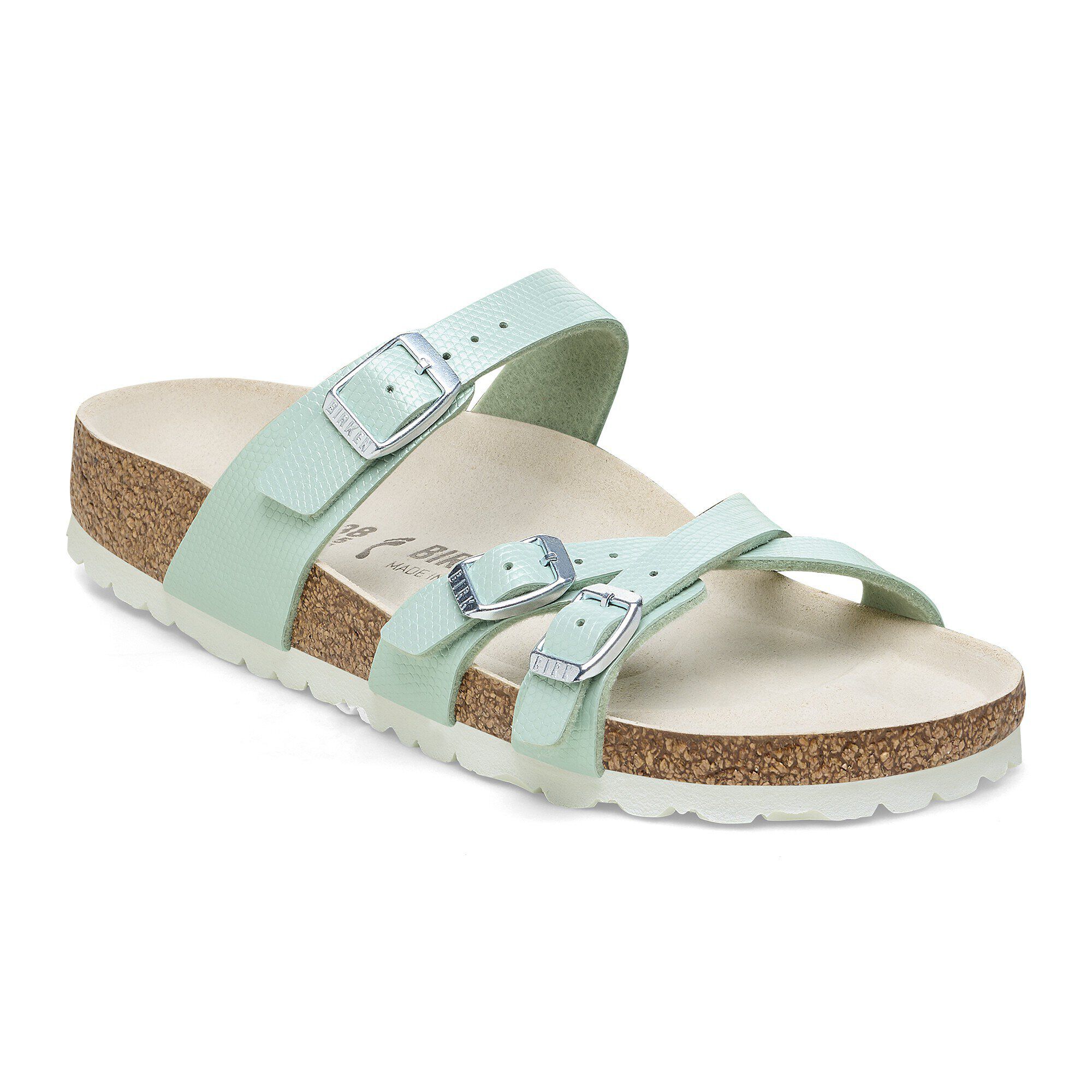
- Two-strap sandals: The Arizona and Gizeh offer adjustability, allowing you to tighten the straps for a secure fit.
- Platforms: The Florida Flex Platform and Gizeh PAP Flex Platform add a slight heel lift, which can reduce Achilles tendon strain for some wearers.
When You Still Need Custom Orthotics
There are several scenarios where a Birkenstock footbed is insufficient:
- Severe overpronation: If your ankles roll inward significantly when walking, you may need a rigid orthotic that controls motion across the entire gait cycle.
- Leg length discrepancy: Orthotics can be built with a heel lift to compensate for a difference in leg length. Birkenstocks cannot be modified that way.
- Severe high arches (cavus foot): People with very high arches often need a softer, more accommodating footbed — the relatively firm Birkenstock cork may create pressure points.
- Diabetic neuropathy: Custom orthotics are often designed to offload high-risk areas and prevent ulceration. Birkenstocks do not offer that level of targeted pressure redistribution.
- Post-surgical recovery: After foot surgery, a podiatrist may prescribe a specific orthotic to protect the surgical site. Off-the-shelf footwear can interfere with healing.
In these cases, do not abandon Birkenstock entirely. You can sometimes wear a custom orthotic inside a Birkenstock shoe or clog that has a removable footbed — though most Birkenstock sandals and clogs have a fixed footbed. However, some of the newer Soft Footbed models feature a removable insole that can be swapped for a thin orthotic.
Can You Wear Orthotics Inside Birkenstock Footwear?
This is a common question. Because the Birkenstock footbed is anatomically shaped, it does not have a flat base to accommodate an insert. However, if you purchase a Birkenstock model with a removable insole — such as some of the Soft Footbed or Shearling styles — you may be able to remove the insole and replace it with a thin custom orthotic. The key is to ensure the orthotic is slim enough to fit inside the shoe without raising your heel too high, which could cause you to slip out.
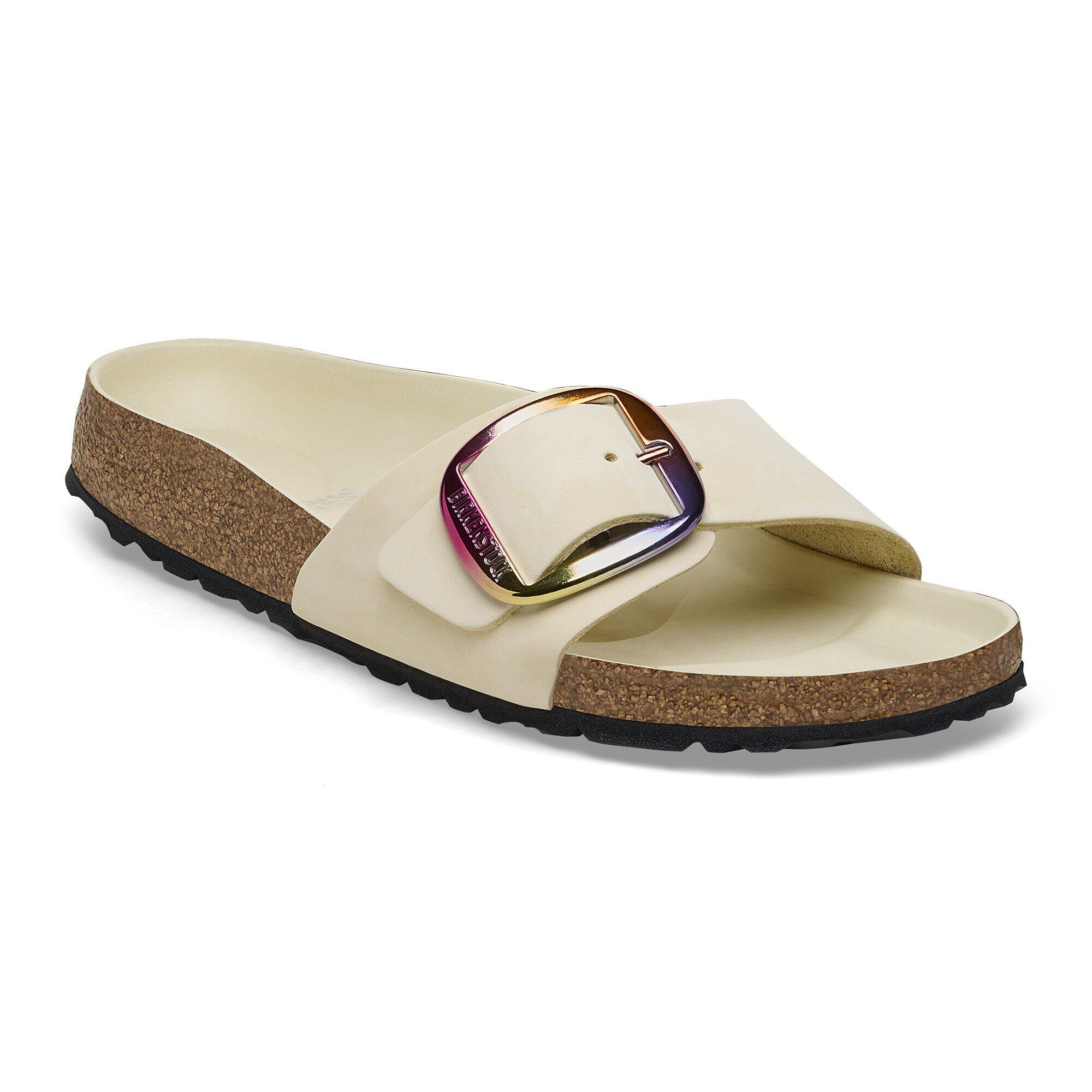
For example, the Bend Low Natural Leather Patent sneaker offers a removable insole, making it a better candidate for orthotic wearers than a traditional sandal. But if you insist on a sandal, models with deep heel cups like the Arizona or Madrid may still work with a very low-profile orthotic — though you will likely lose some of the Birkenstock footbed's unique feel.
Cost Comparison: Birkenstock vs. Custom Orthotics
Cost is a major factor for many people:
- Custom orthotics: Typically range from $200 to $800, plus the cost of a podiatrist visit (often not covered by insurance). They last 2–5 years depending on use.
- Birkenstock sandals/shoes: Range from $60 to $200 per pair. The cork footbed can be replaced for about $40–60, extending the life of the footwear indefinitely.
For many people, buying a pair of Birkenstocks is a fraction of the cost of custom orthotics and can provide similar benefits for general foot health. However, you should not let lower cost be the sole deciding factor — if your foot condition requires medical intervention, a custom orthotic is the safer choice.
What the Research Says
Several studies have investigated the effectiveness of Birkenstock footbeds. A 2017 study in Gait & Posture found that wearing Birkenstock sandals reduced peak plantar pressure under the heel and forefoot compared to standard flip-flops and even some athletic shoes. Another study in Clinical Biomechanics showed that the footbed's metatarsal pad reduced pressure under the central metatarsal heads, which is beneficial for people with metatarsalgia.
However, most of these studies compare Birkenstock to flat footwear, not to custom orthotics. The literature specifically comparing Birkenstock footbeds to prescription orthotics is limited. Anecdotally, many podiatrists recommend Birkenstock as a first-line option for patients with mild to moderate arch issues before moving to custom devices.
Pairing Birkenstock with Other Foot Support
Some people find that wearing Birkenstock sandals alone is not enough, but they can benefit from combining them with other supportive habits:
- Stretching: Regular calf and hamstring stretches reduce tension on the plantar fascia.
- Night splints: For plantar fasciitis, wearing a night splint can complement the daytime support of Birkenstock.
- Arch support socks: Over-the-counter arch support socks can add a layer of gentle lift inside a Birkenstock clog.
If you already own a pair of Birkenstocks and feel you need more support, try the Soft Footbed versions, which have an additional layer of foam cushioning without altering the arch shape.
Final Verdict: Is Birkenstock a Replacement for Orthotics?
For the average person with normal foot mechanics or mild arch fatigue, a Birkenstock with its cork footbed can absolutely replace an over-the-counter orthotic insert. The deep heel cup, arch support, and metatarsal pad provide structural benefits that many people never get from regular shoes. For people with moderate conditions like plantar fasciitis or mild pronation, Birkenstock is often the first recommendation from podiatrists.
However, if you have a diagnosed structural abnormality, severe pain, neuropathy, or a history of foot surgery, custom orthotics prescribed by a professional remain the gold standard. In those cases, Birkenstock can still be a comfortable everyday shoe, but it should not be your only source of support.
If you are curious about trying the Birkenstock footbed for yourself, start with a classic model like the Gizeh PAP Flex Platform Birko-Flor. Its adjustable strap and platform height offer both style and the full anatomic support that has made Birkenstock a trusted name in foot health for decades.
Call to Action
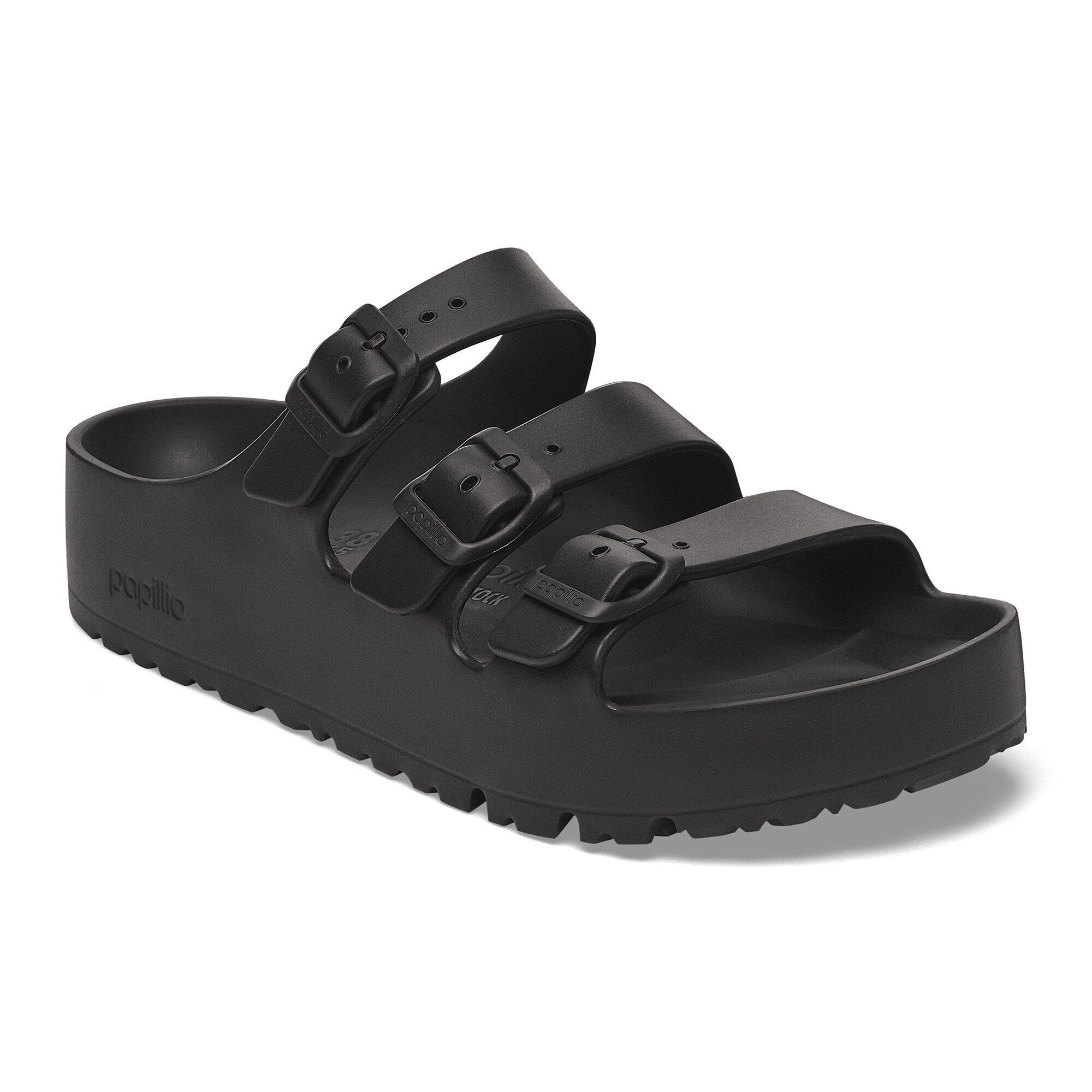
Ready to experience the difference of a genuine cork footbed? Explore the Arizona Big Buckle EVA — a lightweight, water-friendly version of the iconic Arizona that delivers the same arch support you need for everyday comfort, whether you're at the beach or running errands around town.