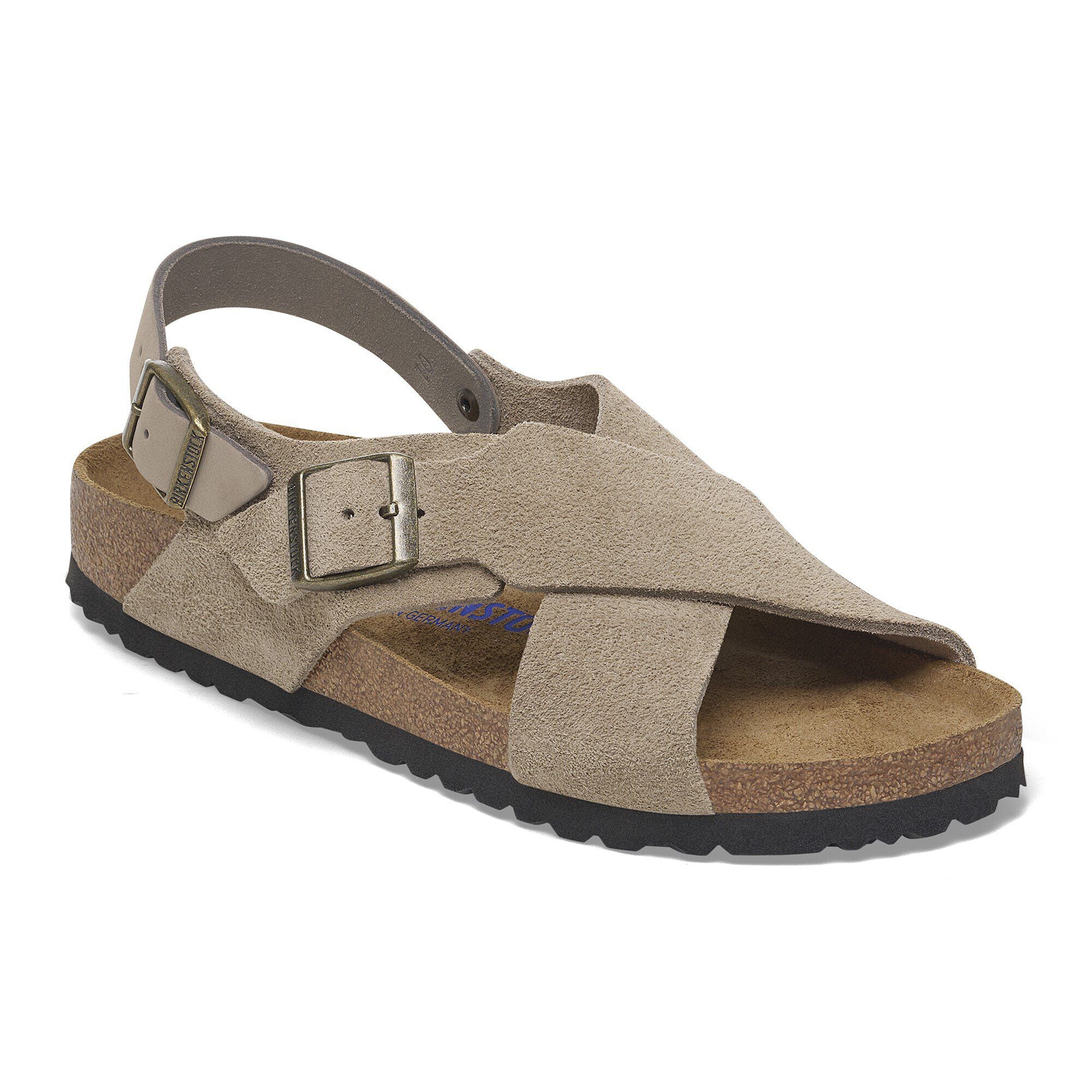
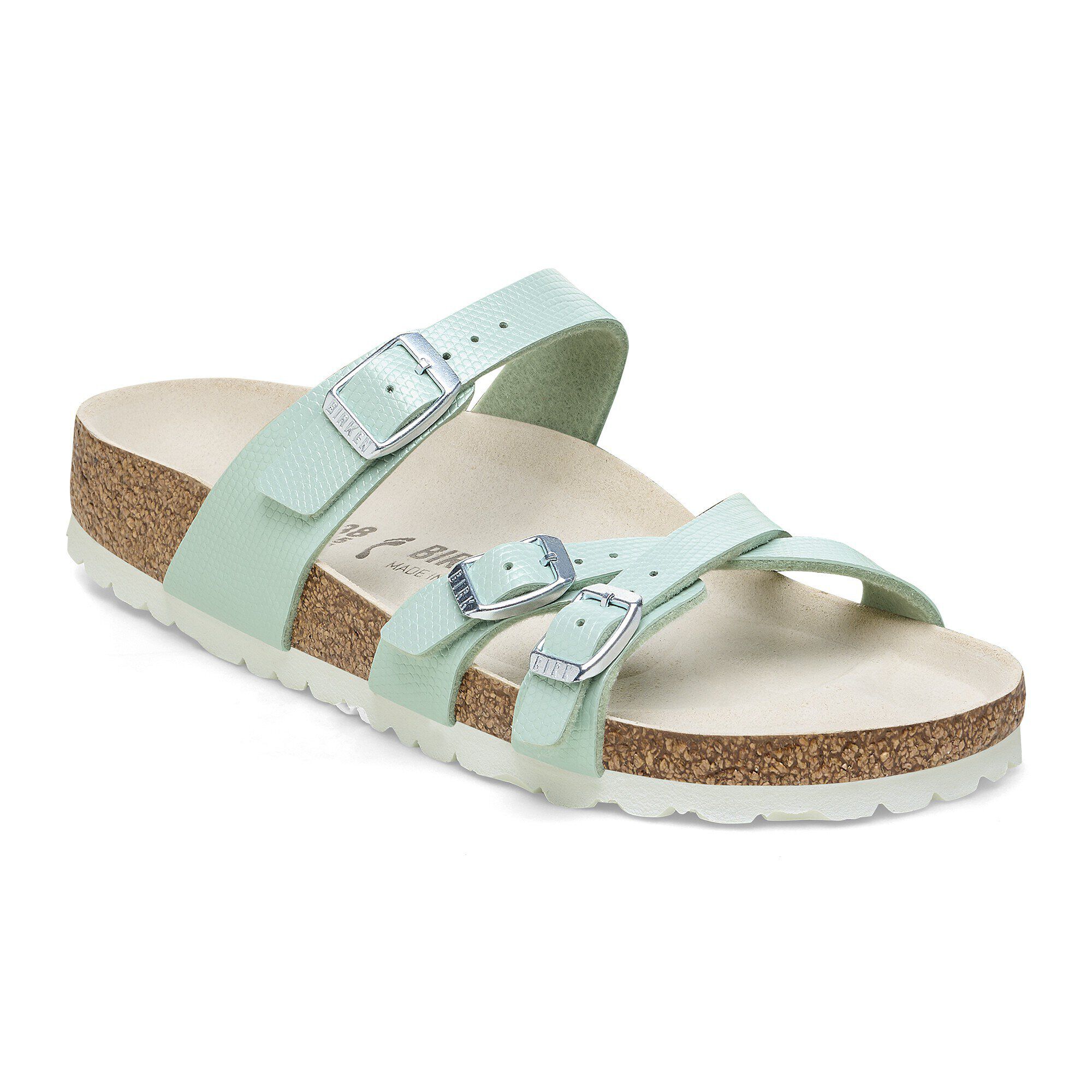
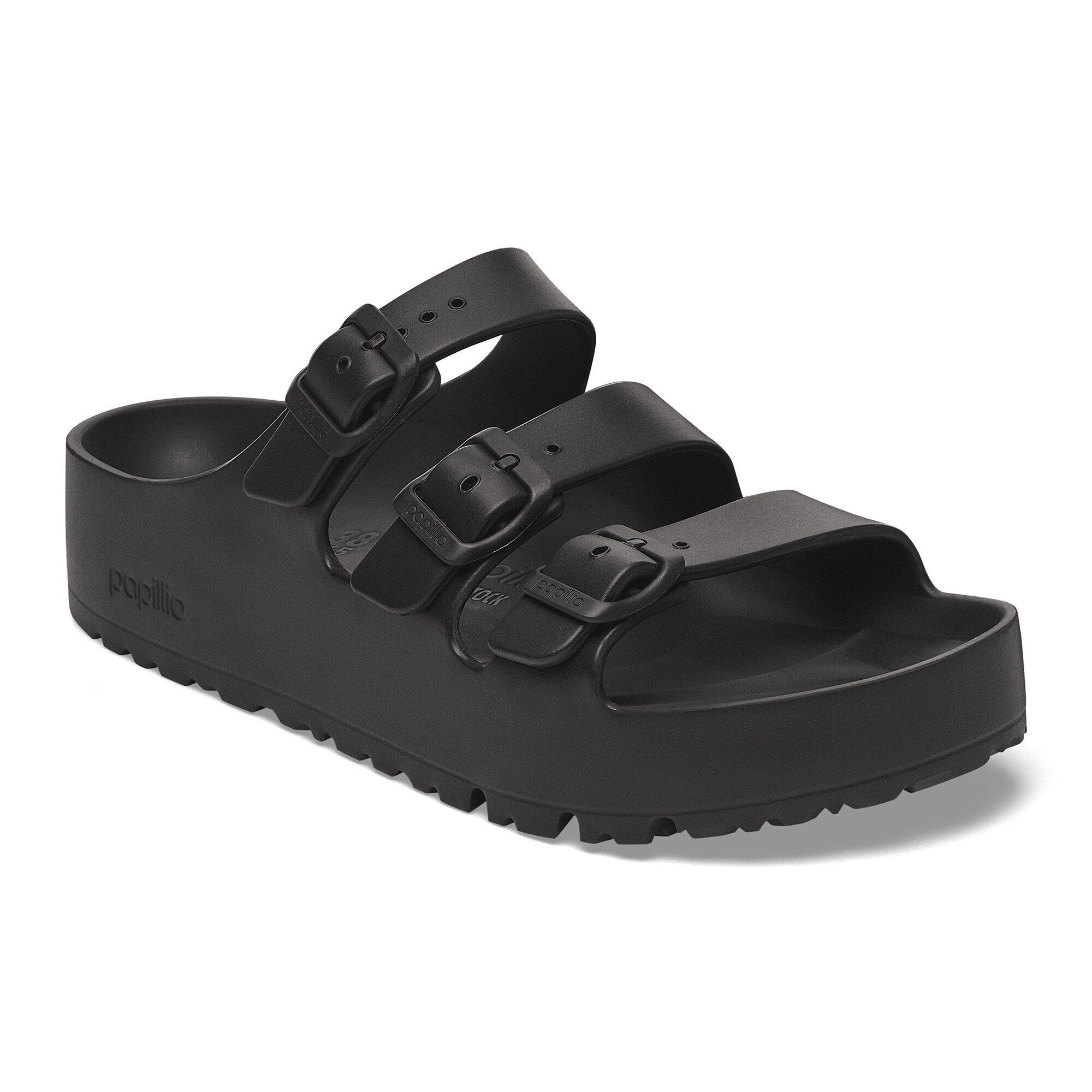
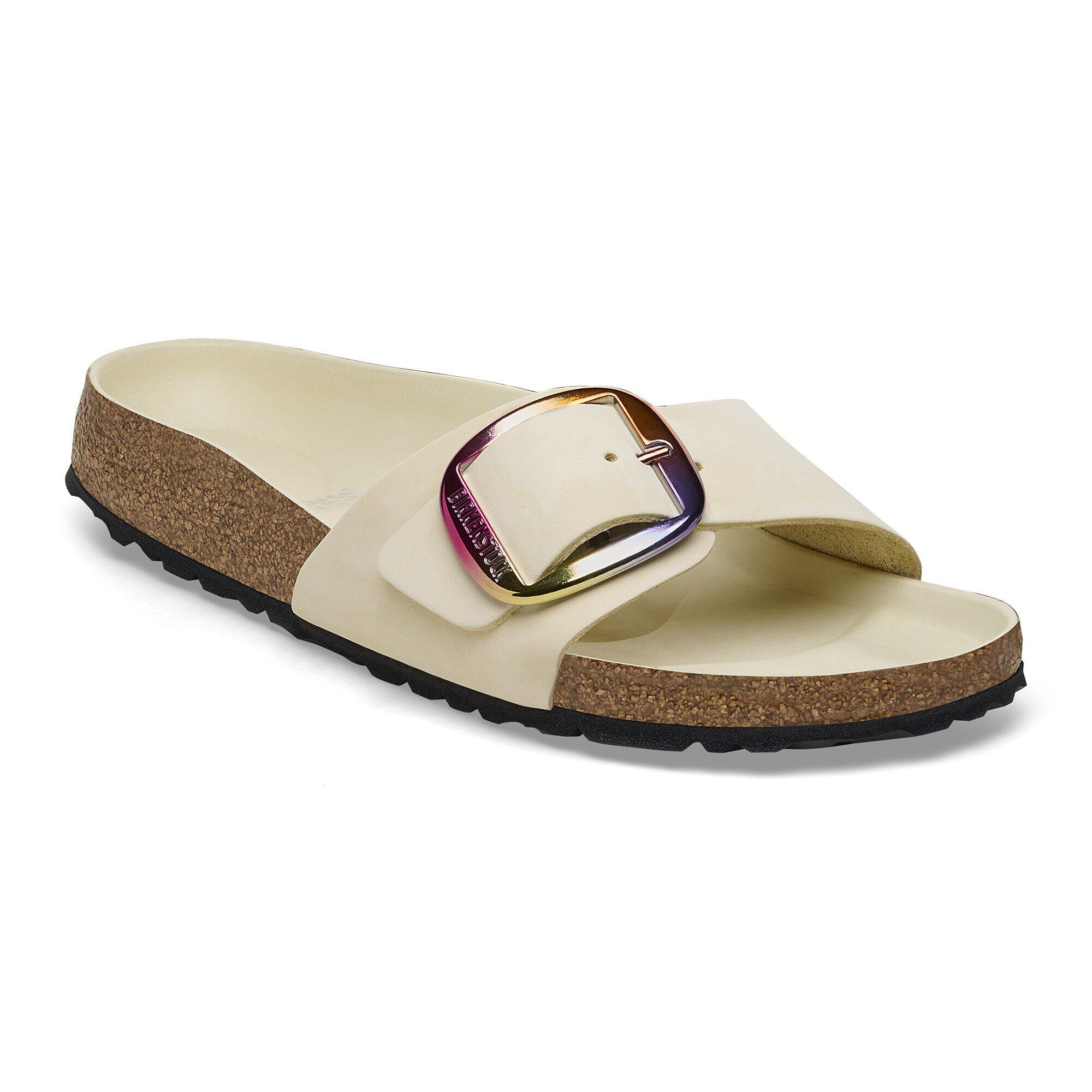
Birkenstock Soft Footbed vs. Classic Footbed: Which Offers Better Cushioning for All-Day Wear?
By birkenstock | Published: 2026-06-19
Category: Product Reviews
Compare Birkenstock Soft Footbed vs. Classic Footbed for all-day comfort. Discover which delivers better cushioning for standing, walking, and daily wear.
When you invest in a pair of Birkenstocks, you're not just buying a shoe—you're choosing a footbed that molds to your unique anatomy for lasting support. But with two main footbed options available, the question arises: Birkenstock Soft Footbed vs. Classic Footbed: Which offers better cushioning for all-day wear? Whether you're on your feet for hours at work, exploring a city, or simply seeking everyday comfort, understanding the difference between these two designs is crucial. In this comprehensive comparison, we'll break down the construction, feel, and ideal use cases of each footbed, so you can make an informed decision that keeps your feet happy from morning till night.
Understanding the Birkenstock Footbed Philosophy
Before diving into the specifics, it's important to know what makes any Birkenstock footbed special. The brand's core design is the Classic Footbed—a contoured cork-latex core that cups the heel, supports the arch, and encourages proper toe alignment. This orthopedically inspired shape provides structured support rather than plush cushioning, which is why many fans swear by it for long-term foot health. The Soft Footbed, introduced later, adds a layer of memory foam under the suede liner, offering an extra pillowy feel while retaining the same supportive contours.
Classic Footbed: The Original Support System
The Classic Footbed is the foundation of every traditional Birkenstock. It is made from a blend of cork and latex, which naturally molds to your feet over time, creating a personalized cradle. The footbed is covered with a soft suede lining that wicks moisture and adds grip. What sets the Classic apart is its firmness—it does not compress easily, forcing your foot muscles to work and strengthen as you walk. This makes it ideal for those with healthy feet who want long-term postural benefits.
Benefits of the Classic Footbed
- Arch Support: The pronounced arch provides continuous support, reducing strain on the plantar fascia.
- Durability: Cork is resilient and can be refreshed with cork sealer, extending the life of the footbed.
- Breathability: Natural materials allow air circulation, keeping feet cool even in warm weather.
- Custom Fit: Over time, the footbed conforms to your unique foot shape, offering a truly bespoke feel.
If you prefer a firm, stable surface that encourages proper posture, the Classic Footbed is an excellent choice. Many loyal customers find that after a short break-in period, the Classic becomes the most comfortable shoe they own. For example, the Sydney Synthetik and Boston Pro Natural Leather are available with the Classic Footbed, making them great options for those who prioritize support over plushness.
Soft Footbed: A Softer Step Without Sacrificing Support
The Soft Footbed was developed for those who want the renowned Birkenstock support but with a gentler initial feel. It features the same cork-latex core and contoured shape as the Classic, but with an additional layer of foam—usually memory foam or a similar cushioning material—sandwiched between the cork and the suede liner. This extra layer absorbs shock and provides a noticeably softer landing with every step. However, it's important to note that the Soft Footbed still maintains the arch support and deep heel cup; it is not a flat, squishy insole.
Benefits of the Soft Footbed
- Immediate Comfort: The foam layer reduces the break-in period, making the shoes comfortable right out of the box.
- Shock Absorption: Ideal for standing on hard surfaces like concrete or tile for long periods.
- Less Fatigue: The extra cushioning can help reduce overall fatigue in your legs and lower back.
- Versatility: Many users find the Soft Footbed more forgiving for all-day wear, especially if they are new to Birkenstock.
The Soft Footbed is particularly popular for work environments where you're standing all day, such as retail, hospitality, or healthcare. Models like the Bend Low Natural Leather Patent and the Arizona Big Buckle EVA are offered with this option, providing a stylish yet cushioned experience. The Soft Footbed also works well for those with foot conditions like plantar fasciitis, as it provides both support and gentle padding.
Key Differences at a Glance
| Feature | Classic Footbed | Soft Footbed |
|---|---|---|
| Initial Feel | Firm, may feel hard | Soft, plush underfoot |
| Break-In Period | Moderate to long (1-3 weeks) | Short (few days to 1 week) |
| Cushioning Layer | None (cork-latex only) | Memory foam or foam insert |
| Support Level | Maximum structural support | Same support, plus cushion |
| Best For | Long-term foot health, walking | Standing all day, sensitive feet |
| Durability of Cushion | Does not compress over time | Foam may flatten after 1-2 years |
| Weight | Lighter overall | Slightly heavier due to foam |
| Breathability | Excellent (natural cork) | Good (foam may trap heat) |
Which Footbed Is Better for Standing All Day?
If your daily routine involves prolonged standing—whether at a desk, in a kitchen, or on a sales floor—the Soft Footbed often wins the debate. The additional foam layer acts as a shock absorber, reducing the impact on your joints and preventing that achy feeling in your heels and arches by mid-afternoon. Many healthcare workers and teachers report that the Soft Footbed significantly reduces foot fatigue compared to the Classic. However, it's worth noting that the Classic Footbed can also be excellent for standing, especially once it has molded to your foot. The key difference is the time required to break it in; the Classic may feel uncomfortably hard for the first week or two, whereas the Soft Footbed offers immediate relief.
Personal Preference Matters
Some users actually prefer the Classic Footbed for standing because the firm surface prevents their foot from sinking into the shoe, which can sometimes cause instability. For example, if you have very high arches or a tendency to pronate, the Classic's rigid structure might provide better alignment. On the other hand, if you have flat feet or sensitive metatarsal heads, the Soft Footbed can alleviate pressure points. It's not a one-size-fits-all answer—your individual biomechanics and comfort threshold will guide you.
Which Footbed Is Better for Walking?
For walking—especially long distances—the Classic Footbed has a slight edge. Once broken in, it offers a stable platform that encourages a natural gait. The firmness helps propel you forward and reduces the work your foot muscles have to do to stabilize. This can lead to less fatigue over many miles. However, if you're prone to heel pain or have arthritis, the Soft Footbed's extra cushioning may make walking more comfortable. Again, it's about trade-offs: the Classic provides better energy return, while the Soft offers more impact protection.
Considerations for Different Foot Types
- High Arches: Both footbeds have the same arch support. The Classic may feel too rigid; the Soft adds a welcome buffer.
- Flat Feet: The Classic provides stronger medial support. The Soft may be too forgiving, leading to overpronation.
- Wide Feet: Both footbeds come in regular and wide widths. The Soft Footbed may feel slightly narrower due to the foam taking up inner volume.
- Plantar Fasciitis: Many sufferers prefer the Soft Footbed for its immediate cushioning, but some recommend the Classic for long-term correction.
Durability and Longevity
The Classic Footbed is virtually indestructible. The cork can be resealed and the suede replaced, meaning your Birkenstocks can last for decades with proper care. The Soft Footbed, however, has a finite lifespan because the foam layer will eventually compress and lose its cushioning properties. Depending on usage, you might notice the Soft Footbed feeling less plush after 12-24 months. That said, many users find the comfort worth the trade-off, and replacement footbeds are available for certain models.
Real-World Feedback from Birkenstock Users
Online forums and customer reviews reveal a passionate split. One user wrote: "I have the Classic in my Arizona sandals and they've molded perfectly. But for my work shoes, I bought the Bend Low Decon Textile with the Soft Footbed and my feet thank me every day." Another shared: "I tried the Soft Footbed in the Bend Decon Slip On Textile and loved the immediate comfort, but after a year, the foam flattened and I missed the support of the Classic." This highlights that the choice often comes down to how you prioritize immediate vs. long-term comfort.
How to Choose: A Practical Decision Guide
Here's a simple checklist to help you decide:
- Consider your primary activity: Standing all day? Lean toward Soft. Extended walking? Classic may be better.
- Assess your pain points: If you have heel or metatarsal pain, Soft offers more relief. If you need firm arch support, Classic is your friend.
- Think about break-in tolerance: Are you patient with a 2-week break-in? Then Classic is fine. If you need comfort immediately, choose Soft.
- Evaluate longevity: Do you want a shoe that lasts 10+ years? Classic. Do you plan to replace them every few years? Soft is acceptable.
- Try both if possible: Visit a store and walk in both footbeds. Your feet will tell you which feels better.
Final Verdict: Which Is Best for You?
There is no definitive winner in the Birkenstock Soft Footbed vs Classic Footbed debate—it's a matter of personal need. The Classic Footbed is the gold standard for structural support, long-term foot health, and durability. The Soft Footbed is the champion of immediate comfort, shock absorption, and reduced break-in time. For all-day wear, the Soft Footbed often provides superior cushioning for standing, while the Classic excels for walking and long-term alignment. Your best bet is to match the footbed to your lifestyle.
Explore Your Perfect Birkenstock Fit
Now that you understand the differences, it's time to find the right pair for your feet. Whether you're drawn to the supportive firmness of the Classic or the cloud-like feel of the Soft, Birkenstock has a style for you. We invite you to browse our collection and experience the comfort firsthand. Start with the iconic Arizona Stealth Buckle EVA, which is available with both footbed options, and discover your perfect match for all-day wear. Your feet will thank you.