Birkenstock Soft Footbed vs. Classic Footbed: Which Offers Better Cushioning for All-Day Wear?
By birkenstock | Published: 2026-06-17
Category: Product Reviews
Compare Birkenstock's Soft Footbed vs. Classic Footbed to find the best cushioning for all-day comfort. Explore differences in support, arch fit, and ideal styles for every foot.
When you first slip into a pair of Birkenstocks, the footbed is what makes or breaks the experience. For decades, the brand’s iconic Classic Footbed has been revered for its orthopedic support and ability to mold to your feet. But in recent years, the Birkenstock Soft Footbed has emerged as a popular alternative, promising extra cushioning without sacrificing the brand’s core ergonomics. Whether you're standing all day at work, walking city streets, or simply want cloud-like comfort for your daily errands, choosing between these two footbeds can feel overwhelming. In this detailed Birkenstock soft footbed vs. classic footbed guide, we’ll break down the key differences in cushioning, arch support, best-fit styles, and who each footbed is designed for — so you can make an informed choice for all-day wear.
Understanding the Anatomy of a Birkenstock Footbed
Before diving into the comparison, it helps to understand what makes any Birkenstock footbed special. Both the Classic and Soft versions share the same foundational structure: a deep heel cup for stability, a pronounced arch support that cradles the foot’s natural shape, and a roomy toe box that allows toes to spread naturally. The footbed is made from a blend of cork and latex, materials that conform to your feet over time, creating a custom fit. The key difference lies in the layer of foam added to the Soft Footbed, which sits between the cork base and the suede lining. This foam layer provides an immediate plush feel, while the classic version relies solely on the cork-latex compound for its firm-yet-responsive support.
Cushioning Comparison: Soft Footbed vs. Classic Footbed
The most obvious distinction is the level of cushioning. The Classic Footbed is intentionally firm. It doesn’t give you a squishy sensation — instead, it offers a stable, supportive surface that encourages proper foot mechanics. Over time, the cork molds to your arches, but initially, it may feel quite rigid. This is ideal for those who want strong arch support and a ground-connected feel. On the other hand, the Soft Footbed integrates a 5mm layer of soft foam under the suede lining. This adds a noticeable plushness right out of the box, making it more forgiving for people who are new to Birkenstocks or who have sensitive feet. However, some long-time fans argue that the extra foam slightly reduces the degree of arch contouring you get as the footbed breaks in.
For all-day wear, especially if you’re on your feet for 8+ hours, the Soft Footbed can reduce fatigue in the balls of your feet and heels. But if you already love the firm support of the Classic Footbed and your feet are accustomed to it, you might find the Soft version too cushioned, potentially altering your gait. It really comes down to personal preference and your foot’s unique needs.
Best Styles for Each Footbed
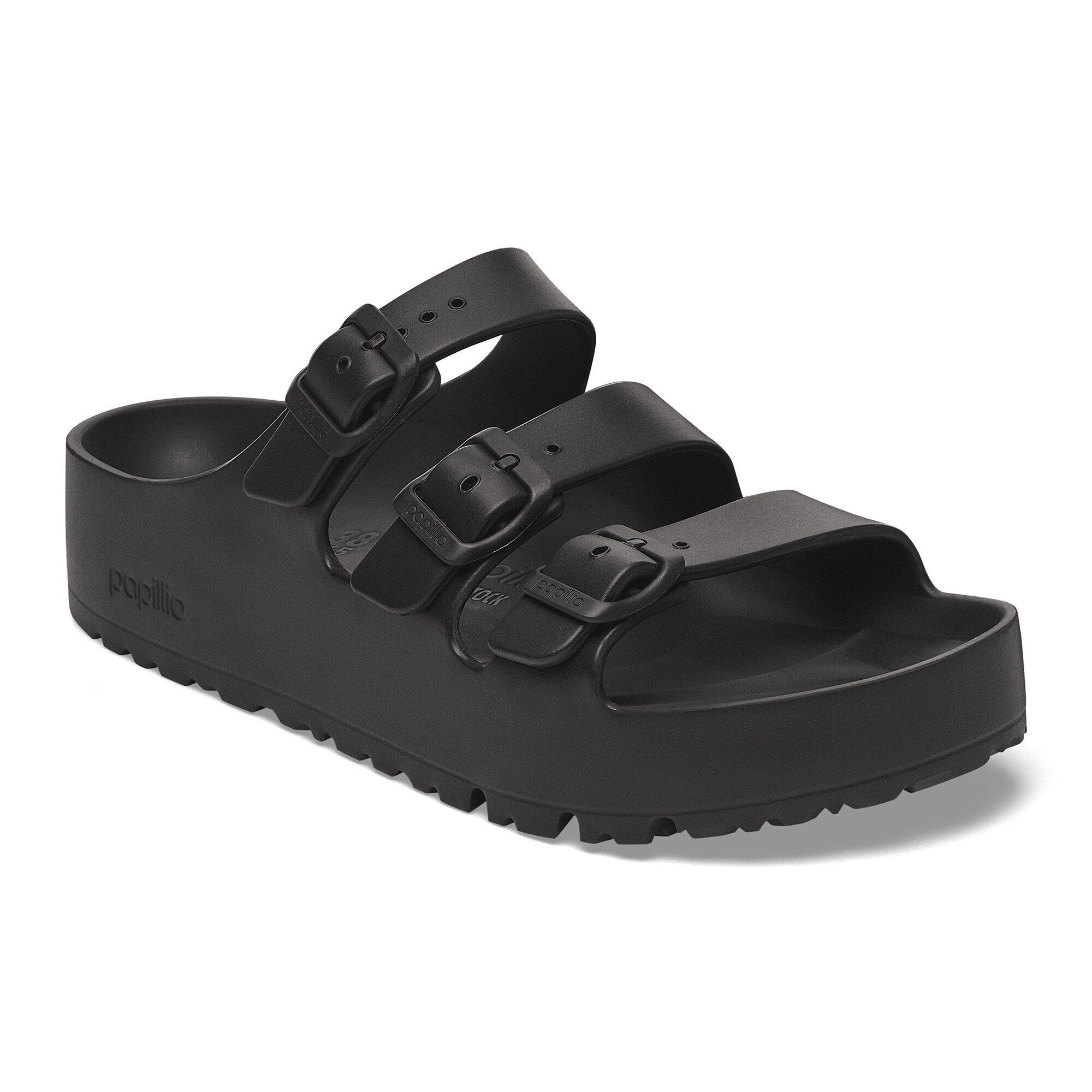
Birkenstock offers both footbed options across many of its iconic silhouettes. If you’re drawn to the classic two-strap sandal, you can find the Arizona PAP Flex Platform Nubuck Leather with a Soft Footbed, which adds a slight platform height and extra cushioning for a modern take on the original. For those who prefer the traditional flat profile, the Classic Footbed is standard in most Arizona models, including the Arizona Rivet Logo Natural Leather, which delivers the firm support that purists love. Similarly, the Boston clog is available in both footbeds: the Boston Mixed Leather typically features the Classic Footbed, while some seasonal releases and shearling-lined versions incorporate the Soft Footbed for cozy, plush comfort.
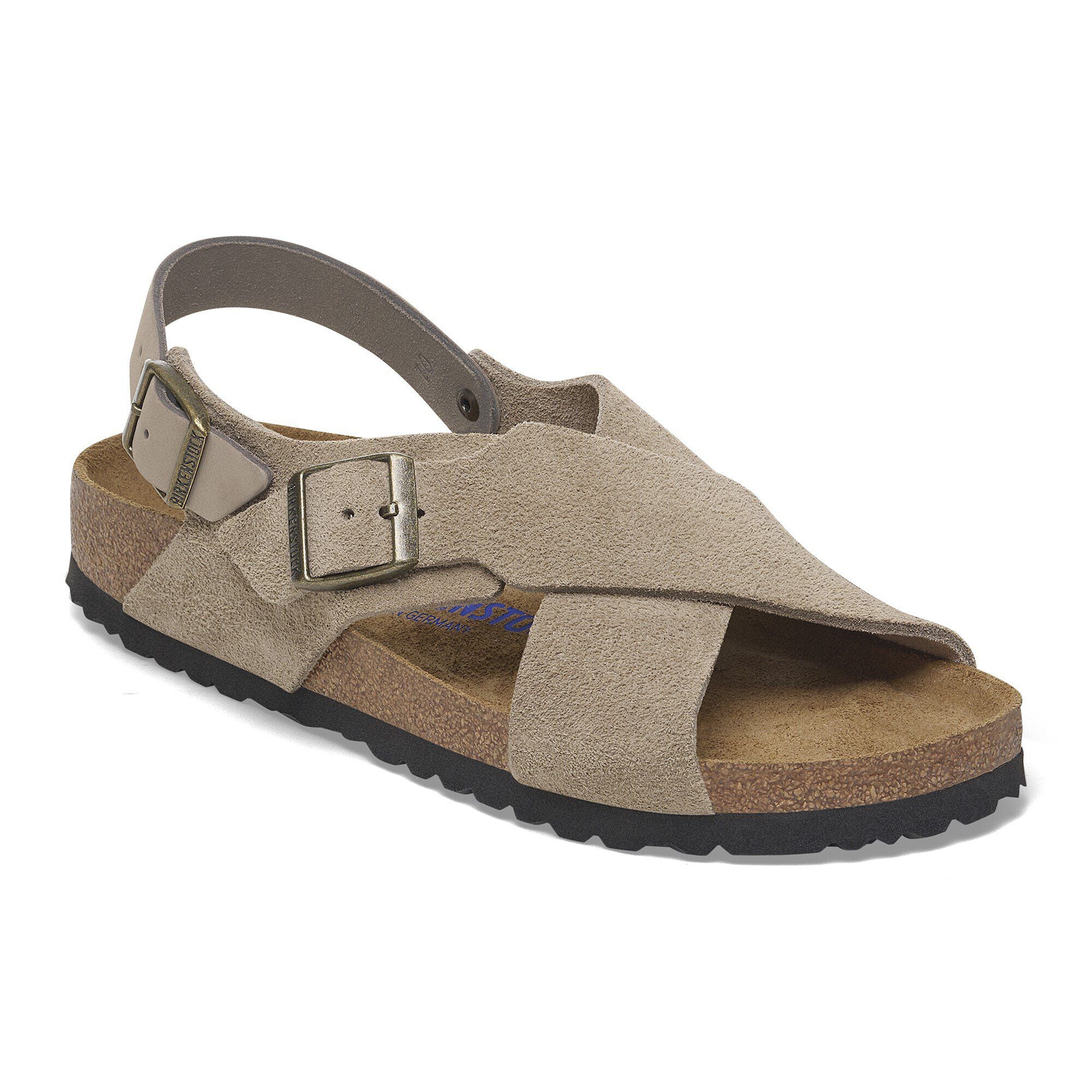
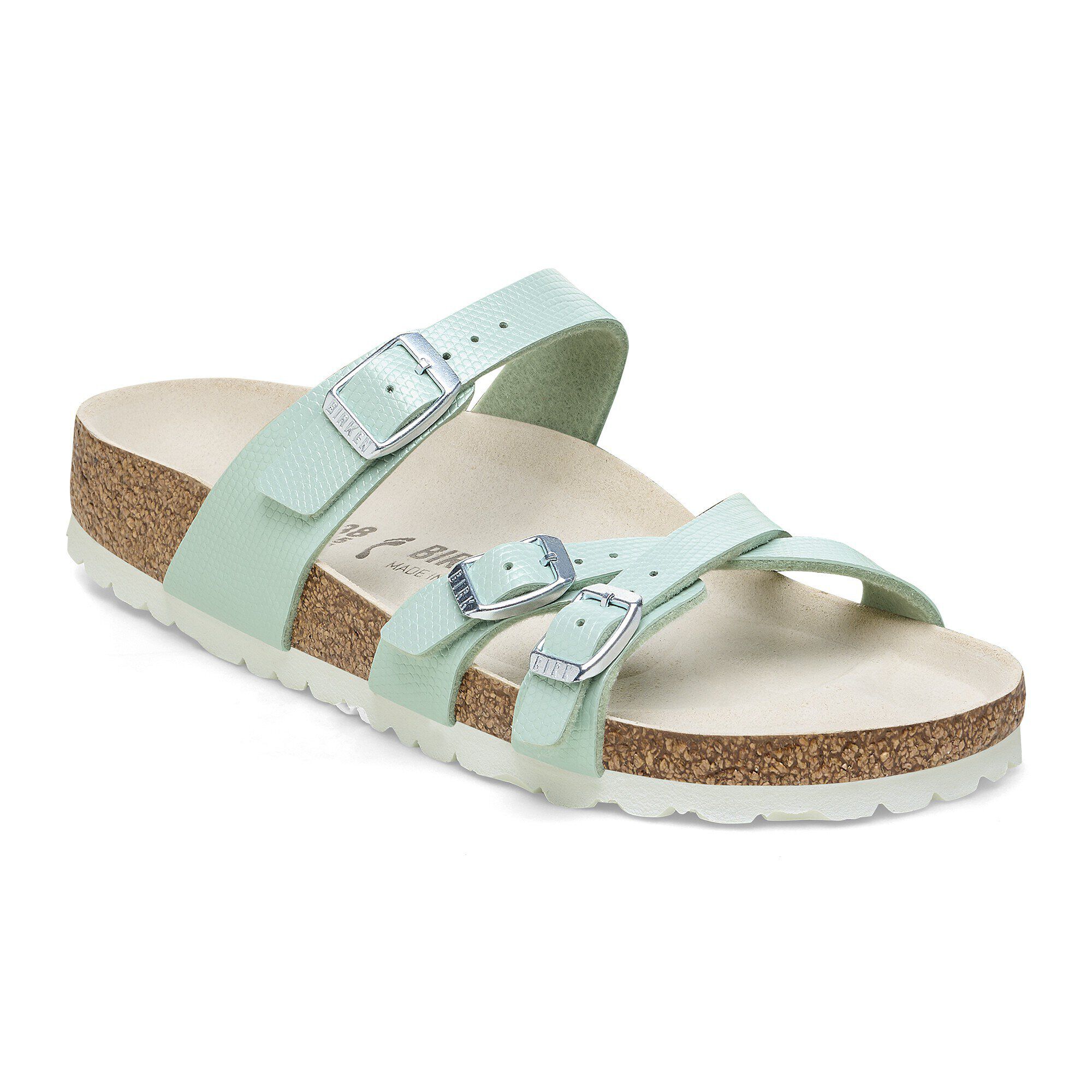
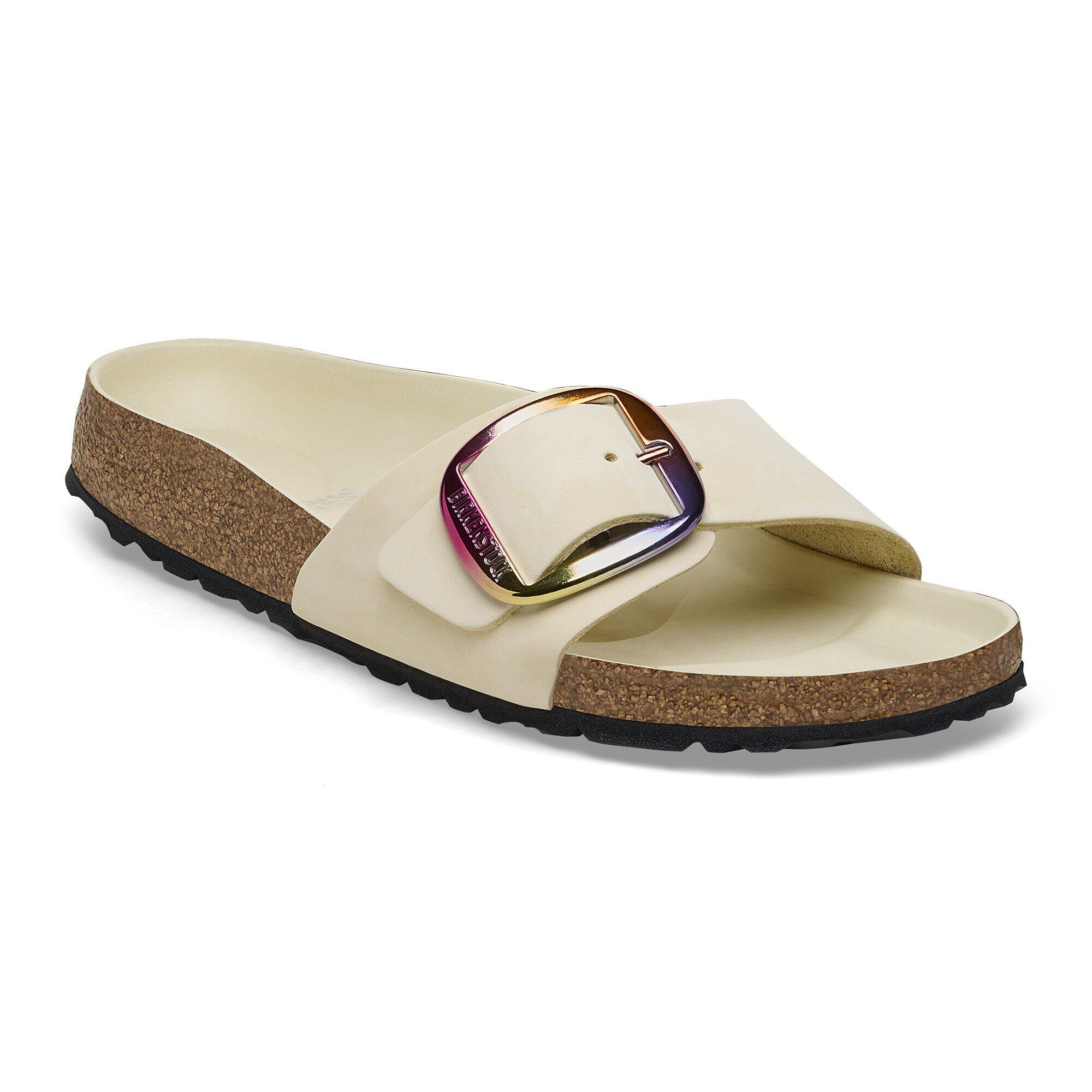
Other styles like the Madrid Big Buckle EVA, Florida Fresh Natural Leather Patent, and the Tokio Shearling Suede Leather may also come in either footbed depending on the specific product run. Always check the product description to confirm which footbed is included, as the Soft Footbed is often denoted by “Soft” in the style name or details.
Who Should Choose the Classic Footbed?
- Long-time Birkenstock wearers who are accustomed to the firm support and enjoy the break-in process.
- People with high arches who need pronounced arch support and a deep heel cup to prevent overpronation.
- Those who prefer a minimalist, grounded feel and want maximum footbed customization over time.
- Wearers who plan to use the sandals or clogs for long walks or standing on hard surfaces and want durable, lasting support.
Who Should Choose the Soft Footbed?
- First-time Birkenstock buyers who find the Classic Footbed too hard initially.
- People with flat feet or low arches who may need a bit more forgiveness under the midfoot.
- Those with foot conditions like plantar fasciitis or metatarsalgia who benefit from extra cushioning in the heel and forefoot.
- Individuals who spend all day on their feet and want immediate plush comfort without a long break-in period.
Durability and Longevity
Both footbeds are built to last, but there are subtle differences. The Classic Footbed, being all cork and latex, tends to hold its shape longer because there’s no foam layer that can compress over time. Many devotees report their classic Birkenstocks lasting 5–10 years with proper care. The Soft Footbed, while still durable, may show compression in the foam layer after 2–3 years of heavy use, especially if you’re on the heavier side. However, Birkenstock uses high-density foam that resists flattening better than many competitors. For most casual wearers, the Soft Footbed will remain comfortable for several seasons before needing replacement.
Arch Support: Does the Soft Footbed Sacrifice Support?
This is the most debated question among Birkenstock enthusiasts. The answer is nuanced. The Soft Footbed retains the same arch shape and heel cup depth as the Classic Footbed — the foam is added on top of the cork, not replacing it. So the structural support is still there. However, because the foam compresses under your weight, it can slightly reduce the feeling of the arch pressing into your foot. For some, this makes the arch support feel less aggressive; for others, it makes it more comfortable because the pressure is distributed over a larger area. If you have very high arches, you might prefer the Classic Footbed for its more direct support. If you have normal to low arches, the Soft Footbed may feel just right.
How to Choose Based on Your Daily Activities
| Activity | Recommended Footbed | Why |
|---|---|---|
| Standing at a desk or retail job | Soft Footbed | Extra cushioning reduces pressure on heels and balls of feet. |
| Long city walks (2+ hours) | Classic Footbed | Firm support helps maintain proper gait and reduces foot fatigue over distance. |
| Casual errands / short trips | Either | Both work well; Soft offers more immediate comfort. |
| Travel / airport walking | Soft Footbed | Easy to slip on and off, plus plush feel during long waits. |
| Hiking or uneven terrain | Classic Footbed | Better ground feel and stability; less chance of foot rolling. |
Break-In Period: Soft vs. Classic
The Classic Footbed is notorious for requiring a break-in period of 1–3 weeks, during which your feet may feel sore as the cork molds to your arches. Patience is key. The Soft Footbed, by contrast, requires little to no break-in — the foam layer absorbs much of the initial stiffness, and you can wear them comfortably from day one. If you’re buying your first pair of Birkenstocks and are worried about discomfort, starting with a Soft Footbed model can be a gentler introduction. Once your feet adjust, you can later experiment with the Classic Footbed.
Which One Is Right for You? Final Verdict
There is no universally “better” footbed — it depends on your foot shape, comfort preferences, and lifestyle. If you value immediate plushness and need extra cushioning for all-day standing or walking, the Birkenstock Soft Footbed is your best bet. It offers a modern, forgiving feel while retaining the ergonomic benefits that make Birkenstock famous. If you prioritize long-term durability, a more direct connection to the ground, and the ability to mold the footbed exactly to your arches, stick with the Classic Footbed. Many collectors own both and rotate them based on the day’s activities.
Ultimately, the best way to decide is to try them on. Pay attention to how your arches feel and whether the initial firmness is a dealbreaker. And remember, both footbeds are available across a wide range of styles — from the iconic Arizona to the versatile Boston and the chic Madrid. Whichever you choose, you’re investing in foot health that lasts for years.
Explore the Soft Footbed Difference Today
If you’re leaning toward the cushioned comfort of the Soft Footbed, consider starting with a style that combines modern design with all-day wearability. The Arizona PAP Flex Platform Nubuck Leather features a Soft Footbed and a subtle platform, giving you extra height and plushness without compromising the classic two-strap look. It’s the perfect blend of style and support for everyday use. Explore this model and discover how the Soft Footbed can transform your walking experience.