How to Break in Your New Birkenstock Leather Sandals: Tips for a Pain-Free Transition
By birkenstock | Published: 2026-06-07
Category: How-to Guides
Learn expert tips for breaking in your new Birkenstock leather sandals pain-free. Discover footbed adjustment techniques, wear schedules, and care advice for ultimate comfort.
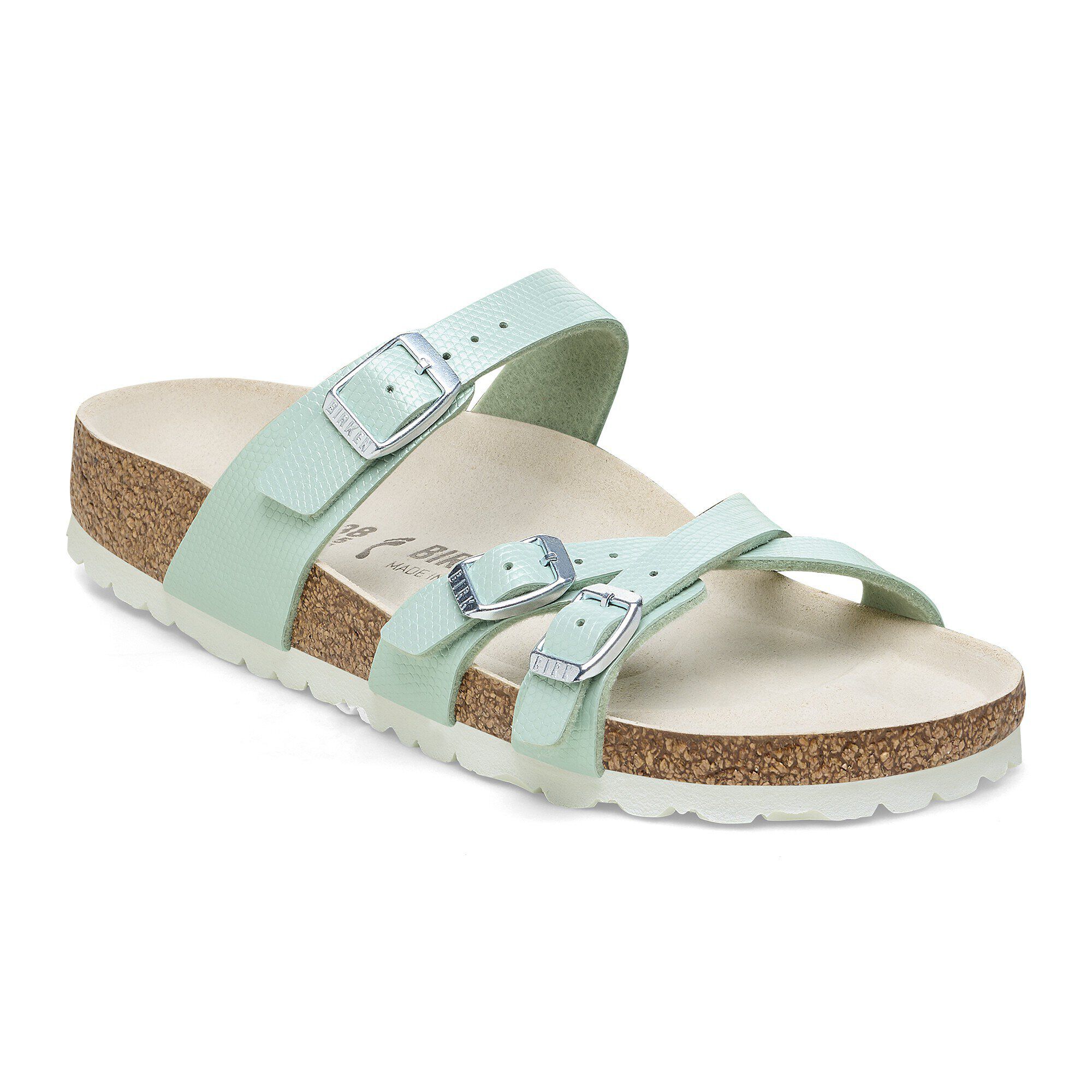
Congratulations on your new Birkenstock leather sandals! Whether you've chosen the iconic Mayari Birko-Flor or the classic Madrid Synthetik, breaking them in can feel like a rite of passage. Birkenstock's legendary cork-latex footbed is designed to mold to your foot's unique contours, but that process takes time and patience. Without proper technique, you might experience blisters, arch discomfort, or a general sense of regret. Don't worry—this guide will walk you through every step to ensure a smooth, pain-free transition from stiff to sublime.
Why Birkenstock Leather Sandals Require a Break-In Period
Unlike synthetic shoes that offer immediate flexibility, Birkenstock sandals use natural materials that need adaptation. The cork footbed—composed of cork granules and latex—starts firm to provide maximum support. As you wear them, body heat and pressure soften the cork, allowing it to conform to your foot's shape. The leather upper, whether smooth or nubuck, also needs to loosen around your foot. This personalized fit is why Birkenstocks become more comfortable over years of wear, but the initial phase requires careful management.
The Science Behind the Footbed
Birkenstock's footbed is engineered with anatomical features: a deep heel cup, arch support, and a metatarsal pad. These elements work together to distribute weight evenly and promote proper alignment. A stiff footbed forces your foot muscles to engage actively, which can feel uncomfortable at first. Over 20–40 hours of wear, the cork compresses and the latex relaxes, creating a custom mold. This process is essential for long-term comfort and foot health.
Step 1: Start Slowly—The 2-Hour Rule
The most common mistake new owners make is wearing their Birkenstock leather sandals all day right out of the box. Instead, follow the 2-hour rule: wear them for just 2 hours on the first day, then increase by 1 hour each subsequent day. This gradual exposure allows your feet to adapt to the footbed without overwhelming pressure points. If you feel any sharp pain, remove the sandals immediately and rest. Pain is your body's signal to slow down, not to push through.
Short Indoor Sessions First
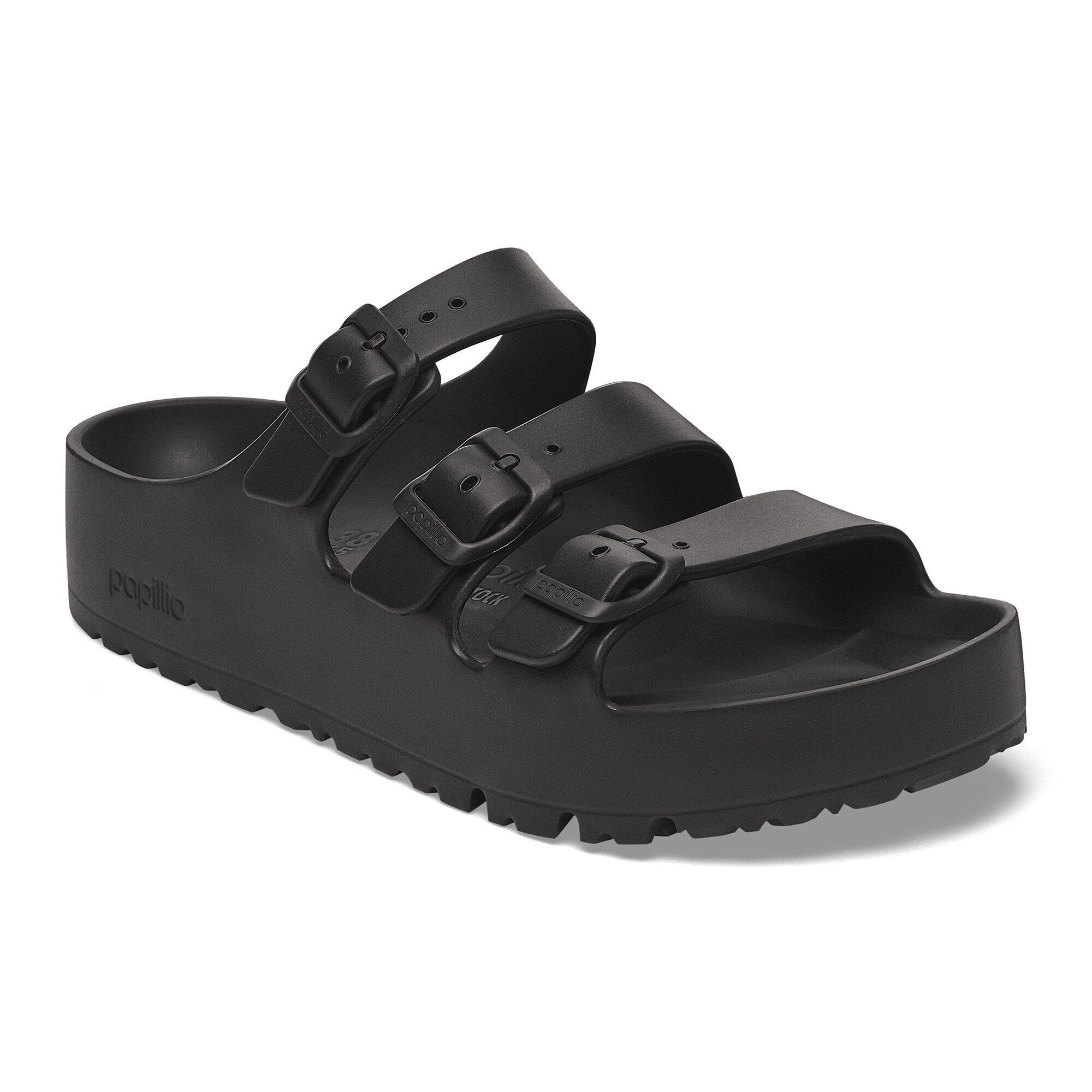
Begin breaking in your sandals indoors. Walking on carpet or hardwood floors is gentler than pavement. Use this time to walk, stand, and even perform light household chores. This helps the footbed warm up and start molding without the risk of blisters from friction with outdoor surfaces. The Arizona Stealth Buckle EVA is an excellent alternative if you need immediate comfort for outdoor use, but for leather sandals, patience is key.
Step 2: Wear Thick Socks to Stretch Leather
A tried-and-true trick among Birkenstock enthusiasts is wearing thick cotton or wool socks with your sandals. This accomplishes two things: it protects your skin from friction while the leather stretches, and it adds a layer of cushioning during the break-in. Put on the socks, slip into your sandals, and walk around for 30-minute intervals. The socks create gentle pressure against the leather straps, speeding up the softening process without causing blisters. After a few sessions, you'll notice the straps feel less rigid.
Targeted Stretching for Tight Spots
If specific areas of the straps feel too tight—like the toe loop on Mayari sandals—use a leather conditioner or stretching spray. Apply a small amount to the tight area, then wear the sandals with socks for an hour. The combination of moisture and movement loosens the fibers. Avoid over-stretching; leather should conform, not deform. For stubborn leather, consider using a shoe stretcher designed for sandals, but this is rarely necessary with consistent sock-wearing.
Step 3: Warm the Footbed for Faster Molding
Heat accelerates the molding process of the cork-latex footbed. On a sunny day, leave your sandals in a warm spot (not direct sunlight for extended periods) for 10–15 minutes before wearing. Alternatively, use a hairdryer on a low heat setting, holding it 6 inches away from the footbed for 30 seconds per shoe. The warmth softens the latex, allowing the cork to compress more readily under your weight. Always test the temperature with your hand before putting them on—you want warmth, not heat that could damage the adhesive or leather.
Step 4: Use Moleskin or Blister Patches Proactively
Even with careful wear, friction points can develop. Common trouble spots include the heel strap and the inner arch edge. Apply moleskin or silicone blister patches to these areas before you feel discomfort. This barrier prevents raw skin while the leather breaks in. You can also place a small piece of moleskin on the footbed itself if the arch feels too pronounced. As the footbed molds, you can remove these aids gradually. Many users find that by week two, they no longer need any protection.
Step 5: Alternate Between Pairs
If you own multiple Birkenstock styles, rotate them during the break-in period. Wearing the same pair every day doesn't give the cork time to reset and dry out, which can lead to over-compression. Switch between your leather sandals and a pair like the Arizona Big Buckle EVA for days when you need more comfort. EVA sandals require no break-in, making them perfect recovery shoes. This rotation also extends the lifespan of your leather footwear by allowing the cork to regain its shape overnight.
Step 6: Proper Care During Break-In
Leather requires nourishment, especially when it's being flexed and stretched repeatedly. Use a leather conditioner specifically for Birkenstock sandals—avoid products with silicone or petroleum that can clog pores. Apply a thin layer to the straps every 3–4 wears during break-in. For the footbed, brush away dirt with a soft brush and allow it to air dry completely between wears. Never soak the footbed or use harsh cleaners, as this can damage the cork structure. The Florida Fresh Nubuck Leather sandals, for example, benefit from a nubuck protector spray to prevent staining during this vulnerable period.
Common Mistakes to Avoid
Avoid these pitfalls to ensure a successful break-in:
- Wearing wet sandals: Moisture weakens the cork and can cause permanent deformation.
- Excessive bending: Don't repeatedly bend the sandal at the ball of the foot; this can crack the cork.
- Ignoring pain: Sharp or persistent pain may indicate the wrong size. Re-check your fit using Birkenstock's sizing guide.
- Using heat too aggressively: High heat can melt the latex or shrink leather straps. Always use low settings.
When to Seek Professional Help
If after 4 weeks of consistent, gradual wear your sandals still cause significant discomfort, consider visiting a Birkenstock retailer. They can assess whether the sandals are properly sized for your foot type. Occasionally, a footbed may need professional adjustment—some cobblers offer heat-pressing services to accelerate molding. However, for most people, patience and these techniques yield excellent results.
Conclusion: Embrace the Journey
Breaking in your Birkenstock leather sandals is an investment in future comfort. The initial stiffness gives way to a custom fit that no off-the-shelf shoe can replicate. By starting slowly, using socks for stretching, warming the footbed, and protecting your skin, you'll transition from awkward to effortless in just a few weeks. Remember, the goal is not to rush but to nurture the relationship between your feet and your sandals.
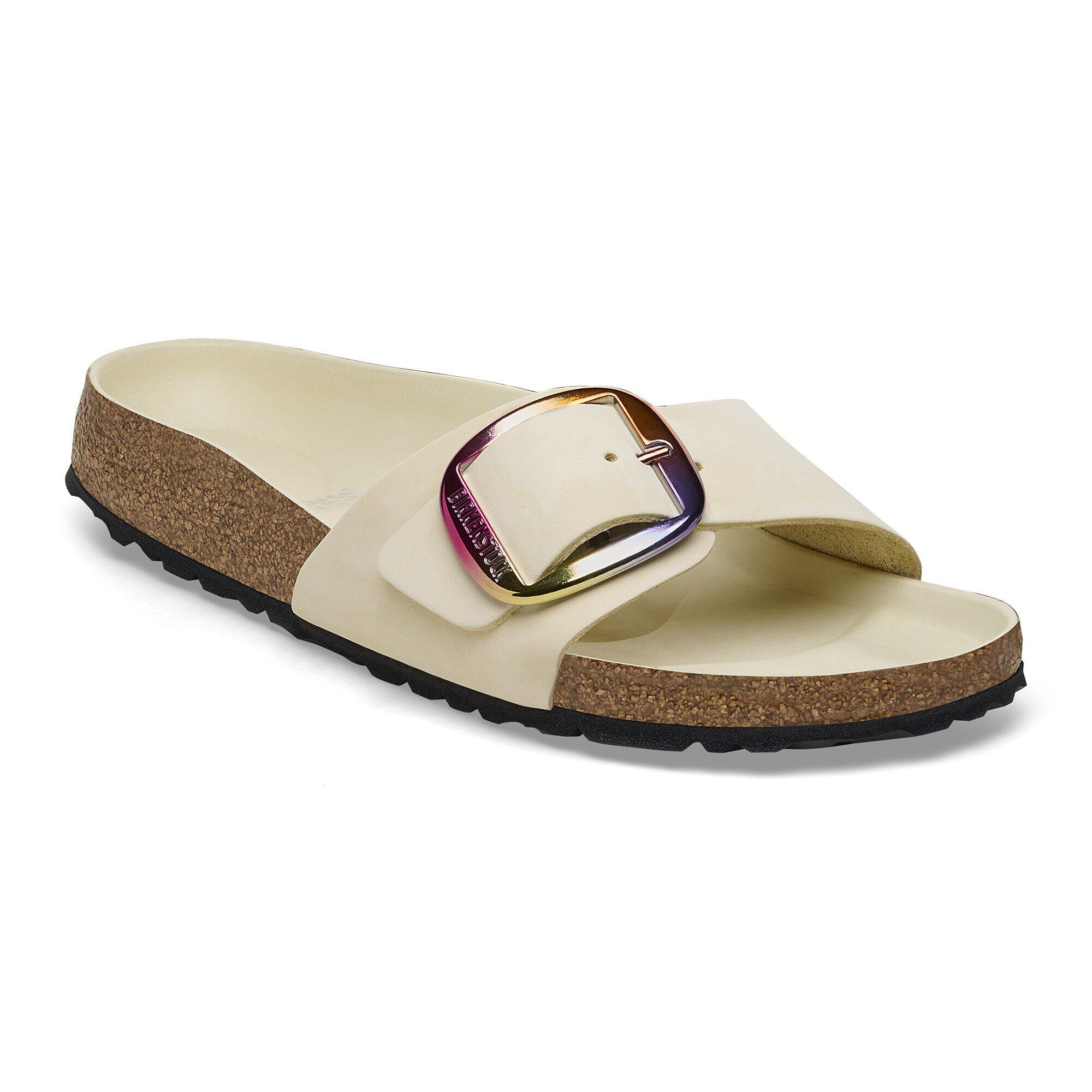
Ready to experience the perfect fit? Explore the Madrid Synthetik for a classic slide with a softer upper that still delivers Birkenstock's renowned support. Your feet will thank you for the care you invest today.