The History of Birkenstock: From German Footbed to Global Fashion Icon
By birkenstock | Published: 2026-06-05
Category: Industry News
Explore the fascinating Birkenstock history, from its humble 18th-century German origins to becoming a global fashion icon. Discover the key milestones, innovations, and cultural moments that shaped the brand.
Few footwear brands can claim a legacy as rich and transformative as Birkenstock. What began as a small German shoemaker's workshop in the 18th century has evolved into a global phenomenon—beloved by everyone from minimalist enthusiasts to high-fashion runways. The Birkenstock history is a story of relentless innovation, unwavering commitment to foot health, and a surprising journey from counterculture staple to luxury status symbol. In this article, we trace the Birkenstock origins, explore key milestones in the Birkenstock timeline, and examine how the brand became a true Birkenstock fashion icon.
The Humble Beginnings: 1774 to the Early 1900s
The Birkenstock origins date back to 1774, when Johann Adam Birkenstock registered as a shoemaker in the small Hessian village of Langen-Bergheim, Germany. For generations, the family focused on crafting sturdy, comfortable footwear for local communities. However, the real turning point came in 1896 when Johann's descendant, Konrad Birkenstock, had a revolutionary idea: he designed the first contoured footbed that mirrored the natural shape of the human foot. This innovation—featuring arch support, a deep heel cup, and toe grip—laid the foundation for the Birkenstock brand story and remains the core of every Birkenstock shoe to this day. Initially, these footbeds were not sold as complete shoes but as flexible insoles that could be inserted into other footwear, primarily for soldiers and laborers seeking relief from foot fatigue.
The Birth of the Iconic Footbed: 1920s–1940s
In 1925, Konrad Birkenstock's sons—Carl, Wilhelm, and Hans—took the business further by patenting the flexible arch support system. They began manufacturing the footbed as a standalone product called the "Fußbett" (footbed). By the 1930s, Birkenstock had established itself as a leader in orthopedic footwear. The company also started producing shoes with the built-in footbed, moving from an insert-only model to complete footwear. During World War II, production shifted to support the German military, but the underlying commitment to foot health never wavered. After the war, the brand slowly rebuilt and began exporting to other European countries, though it remained largely unknown outside of Germany.
The Post-War Expansion and the First Sandals: 1950s–1970s
The 1960s marked a pivotal decade in the Birkenstock timeline. In 1963, Birkenstock launched its first sandal—the Madrid—a simple, two-strap design that quickly became a hit in Germany. The Madrid's success proved that a sandal could combine style with the brand's signature orthopedic support. By the late 1960s, Birkenstock entered the U.S. market through a chance encounter: an American tourist named Margot Fraser discovered the sandals while visiting Germany and began importing them to California. Fraser's intuition was spot-on—the sandals resonated deeply with the American counterculture movement, which valued natural living, comfort, and anti-fashion. Birkenstocks became a symbol of the hippie lifestyle, worn by artists, musicians, and free thinkers. This era cemented the brand's association with casual, health-conscious living.
The Rise of the Boston and Arizona Silhouettes: 1970s–1990s
The 1970s saw the introduction of two styles that would define Birkenstock for decades: the Arizona (two-strap sandal with buckles) and the Boston (a closed-toe clog). The Boston, in particular, became a versatile icon—equally at home in a workshop, a classroom, or a coffee shop. By the 1980s, Birkenstock had expanded its range to include boots, sneakers, and professional clogs, while maintaining the original footbed design. The brand developed a loyal following among nurses, teachers, and anyone who spent long hours on their feet. The 1990s brought further diversification, including the launch of the Soft Footbed line for those who wanted extra cushioning, and the introduction of the EVA material for lightweight, water-resistant sandals. A prime example of this versatility is the Boston Rivet Suede Leather, which combines the classic clog silhouette with a stylish rivet detail and premium suede, bridging comfort and fashion.
The Birkenstock Fashion Revolution: 2000s–2010s
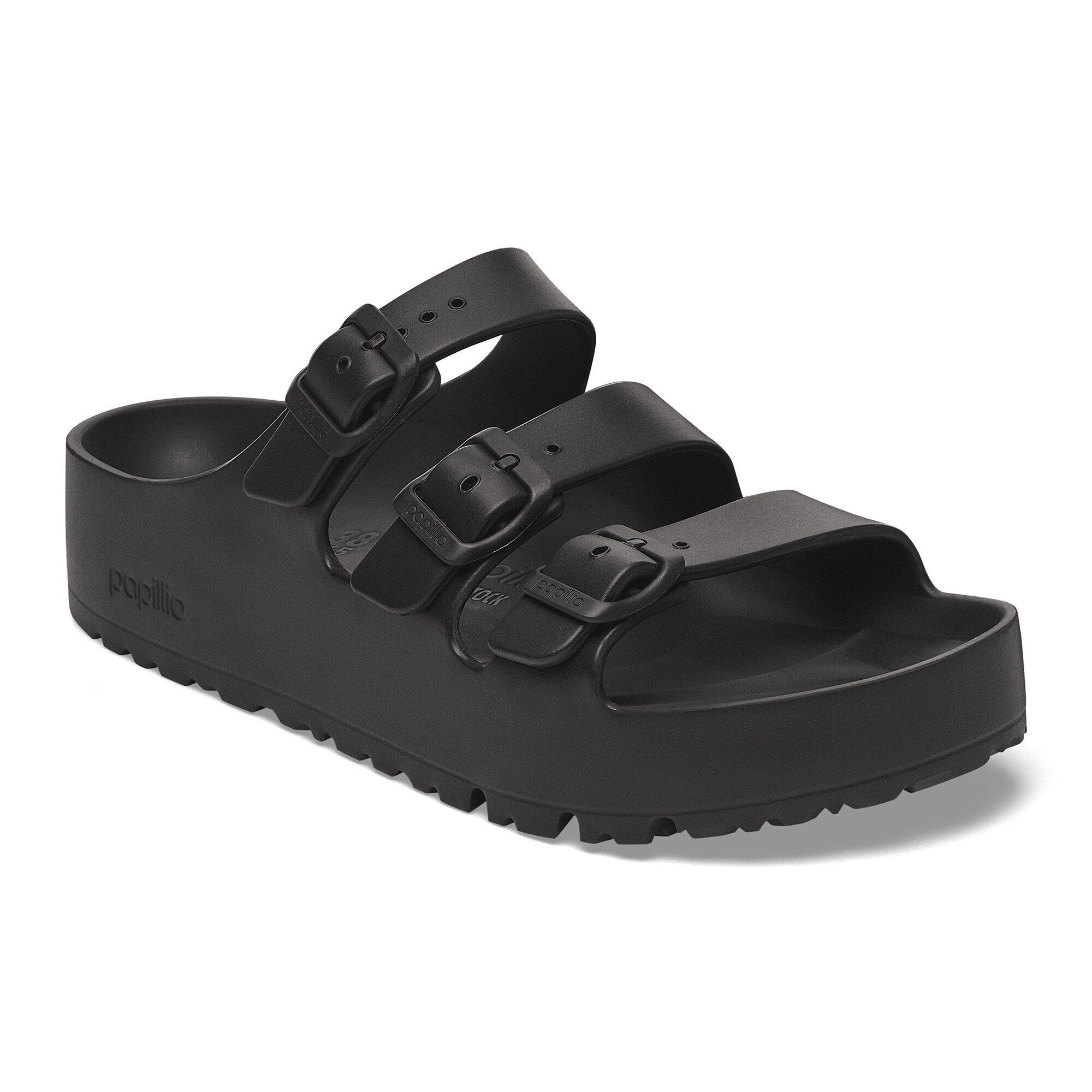
The early 2000s presented a challenge: Birkenstock was still seen by many as a purely utilitarian brand. But everything changed around 2012-2013 when high-fashion designers and street-style influencers began embracing the iconic sandals. Collaborations with luxury brands like Rick Owens, Valentino, and later, Dior and Manolo Blahnik, transformed the brand's image. Suddenly, Birkenstocks were spotted on the feet of celebrities like Kendall Jenner, Gisele Bündchen, and model Hailey Bieber. The Birkenstock fashion icon status was no longer just about comfort—it was about effortless, statement-making style. The brand leaned into this by introducing elevated materials and designs. For instance, the Arizona Stealth Buckle EVA offers a sleek, monochrome take on the classic Arizona, made from lightweight EVA—perfect for poolside or casual summer wear while maintaining the iconic silhouette.
Key Innovations: The Footbed, EVA, and Soft Footbed
Throughout its history, Birkenstock's commitment to foot health has been unwavering. The original cork-latex footbed remains the standard, but the brand has continuously innovated. The Soft Footbed (introduced in the 1990s) adds a layer of foam for extra cushioning without compromising arch support. The EVA (ethylene-vinyl acetate) models, launched in the 2000s, provided a lightweight, waterproof, and durable option for water activities and casual wear. The Water Friendly collection uses quick-drying materials, ideal for beach trips. These innovations allowed Birkenstock to cater to a broader audience while staying true to its orthopedic roots. The Shearling line, featuring cozy wool linings, offered winter warmth without losing the footbed's support. Today, customers can choose from classic cork, flexible EVA, or plush shearling versions of their favorite styles.
Birkenstock Today: A Global Powerhouse
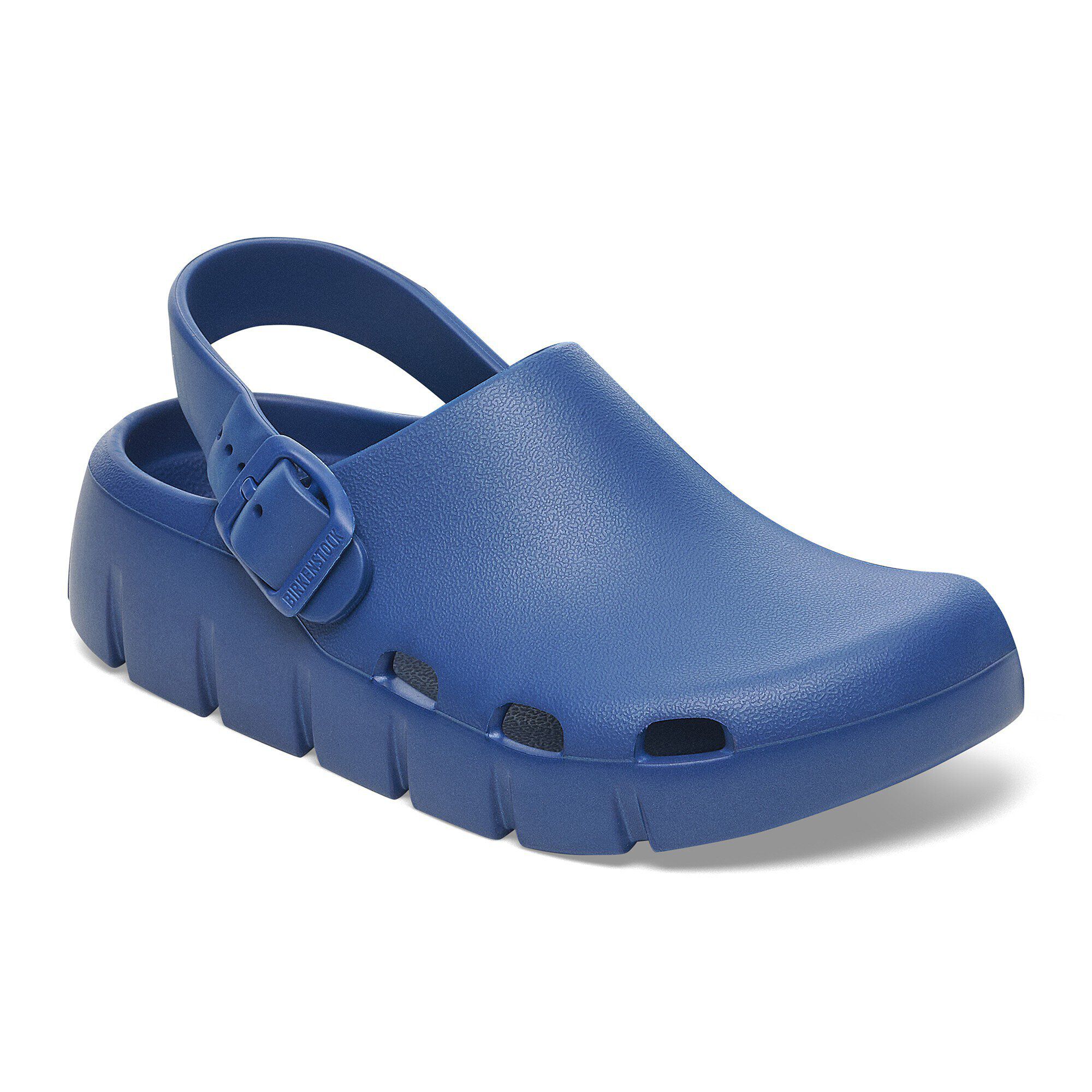
In the 2020s, Birkenstock's trajectory accelerated. In 2021, the company went public on the New York Stock Exchange, valuing the brand at over $8 billion. The brand now operates flagship stores in major cities worldwide and collaborates with a rotating cast of designers and artists. The Birkenstock brand story has become a case study in how authenticity and quality can transcend trends. Even as luxury prices rose, the core product—the contoured footbed—remained unchanged. The brand also strengthened its sustainability efforts, using natural cork, recycled materials, and ethical leather sourcing. The Birkenstock timeline continues to evolve, with new silhouettes like the Tokio (a closed-toe clog with an adjustable heel strap) and the Florida (a three-strap sandal) gaining popularity. The Tokio Pro Natural Coated Leather Black exemplifies the brand's modern direction: a professional-grade clog with a sleek, coated leather finish that works in hospitality, healthcare, and fashion-forward settings.
Cultural Impact and the Future
Birkenstock's journey from a German footbed to a global fashion icon is a testament to the power of quality and consistency. The brand has been worn by astronauts, chefs, fashion editors, and presidents. It has appeared in movies, music videos, and art exhibitions. Its design language—clean lines, functional buckles, and distinct silhouettes—is instantly recognizable. Looking ahead, Birkenstock shows no signs of slowing down. The brand is investing in digital customization, sustainable materials, and expanding into new categories like socks and care products. The next chapter of the Birkenstock history will likely see even deeper integration with tech and personalized foot health, but the core mission remains: to create footwear that supports the natural movement of the foot.
Conclusion: Why Birkenstock Endures
The Birkenstock brand story is a reminder that true innovation doesn't need to be flashy—it just needs to work. From its 18th-century origins to its current status as a luxury streetwear staple, Birkenstock has never compromised on its founding principle: the footbed. Whether you prefer the classic cork, lightweight EVA, or cozy shearling, each pair carries 250 years of craftsmanship. The brand's ability to adapt while staying authentic is what makes it a true Birkenstock fashion icon and a enduring part of our footwear culture.
Ready to experience the comfort that started it all? Explore the timeless Boston Rivet Suede Leather and see why this iconic clog has been a favorite for decades. Step into history with Birkenstock.