The Environmental Impact of Birkenstock Cork Footbeds: A Look at Sustainable Shoemaking
By birkenstock | Published: 2026-06-13
Category: Industry News
Discover how Birkenstock cork footbeds reduce waste and carbon footprint, and explore eco-friendly materials in sandals, clogs, and boots for a sustainable wardrobe.
In an era where consumers increasingly demand transparency and eco-consciousness from fashion brands, Birkenstock stands out as a pioneer in sustainable shoemaking. The brand's iconic cork footbed isn't just a comfort innovation—it's a testament to how traditional materials can minimize environmental impact. This article dives into the lifecycle of Birkenstock cork, from harvesting to disposal, and explores how the company's broader material choices, including vegan options and water-friendly designs, align with modern sustainability goals.
Why Cork Is a Sustainability Superstar
Cork is harvested from the bark of the cork oak tree (Quercus suber), primarily in the Mediterranean region. Unlike timber harvesting, cork stripping does not harm the tree—the bark regenerates every nine to twelve years, allowing for repeated harvests over a tree's lifespan of up to 200 years. This renewable process supports biodiversity, prevents forest fires, and sequesters carbon dioxide. For every kilogram of cork produced, trees absorb up to 73 grams of CO₂, making the material carbon-negative from the start.
Low Carbon Footprint in Production
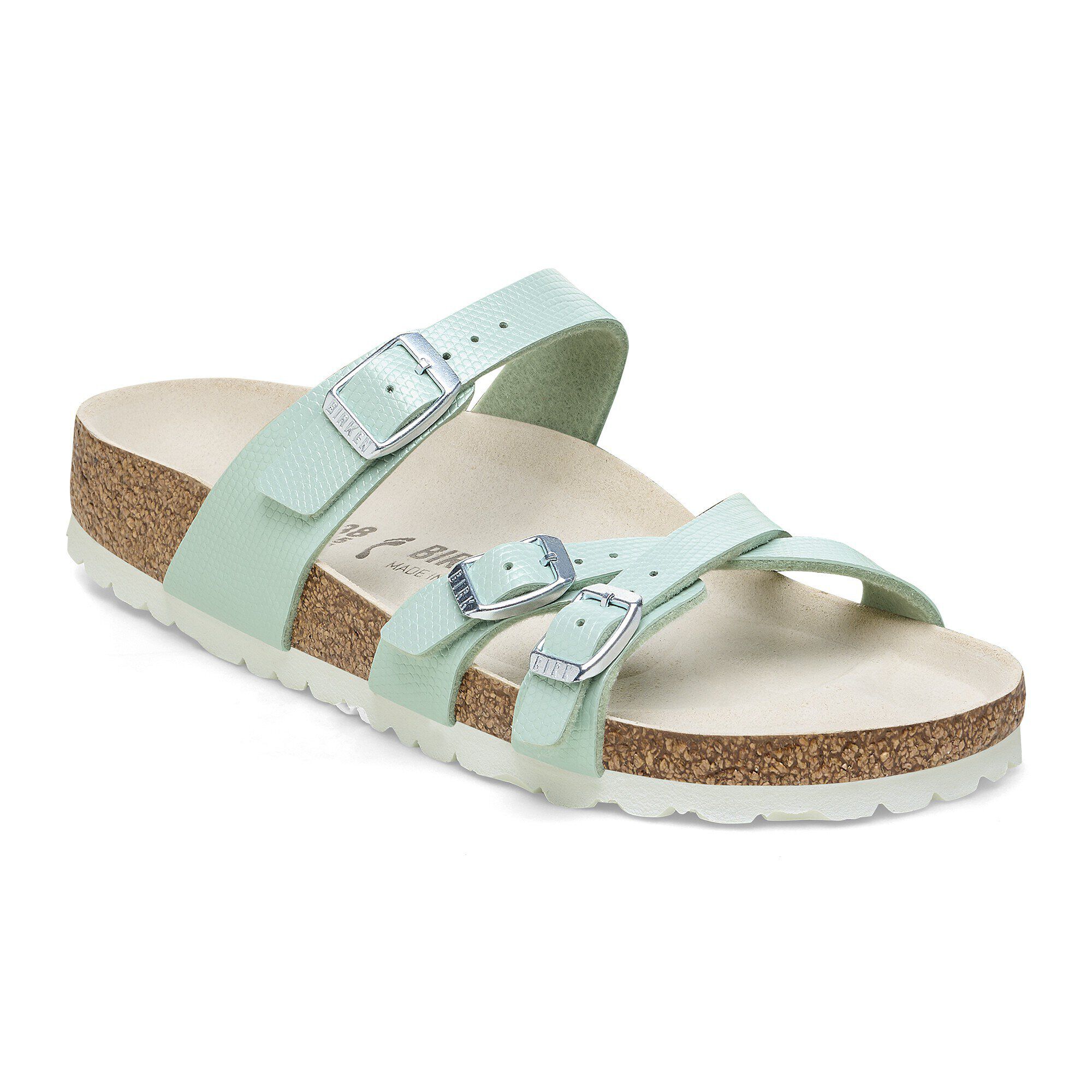
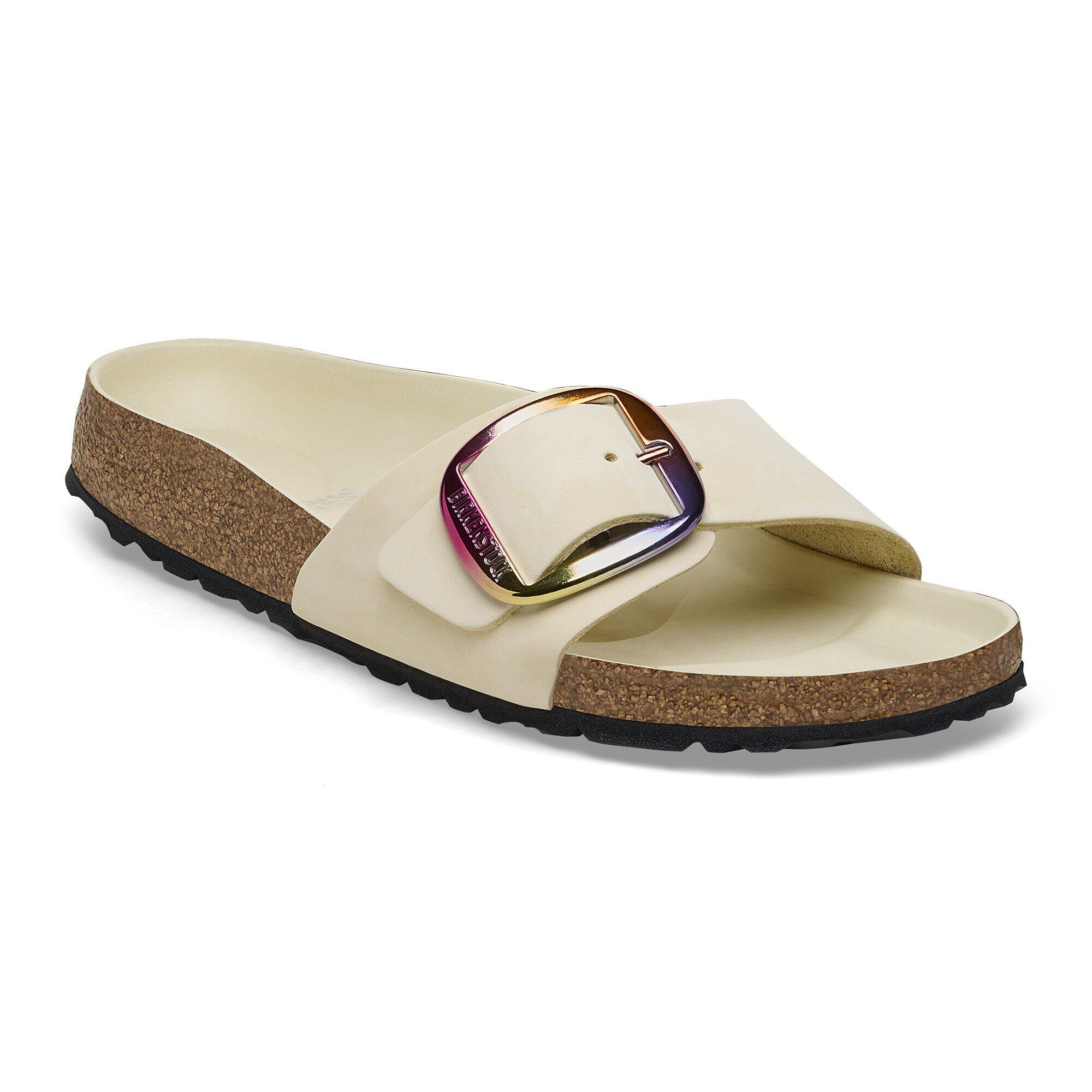
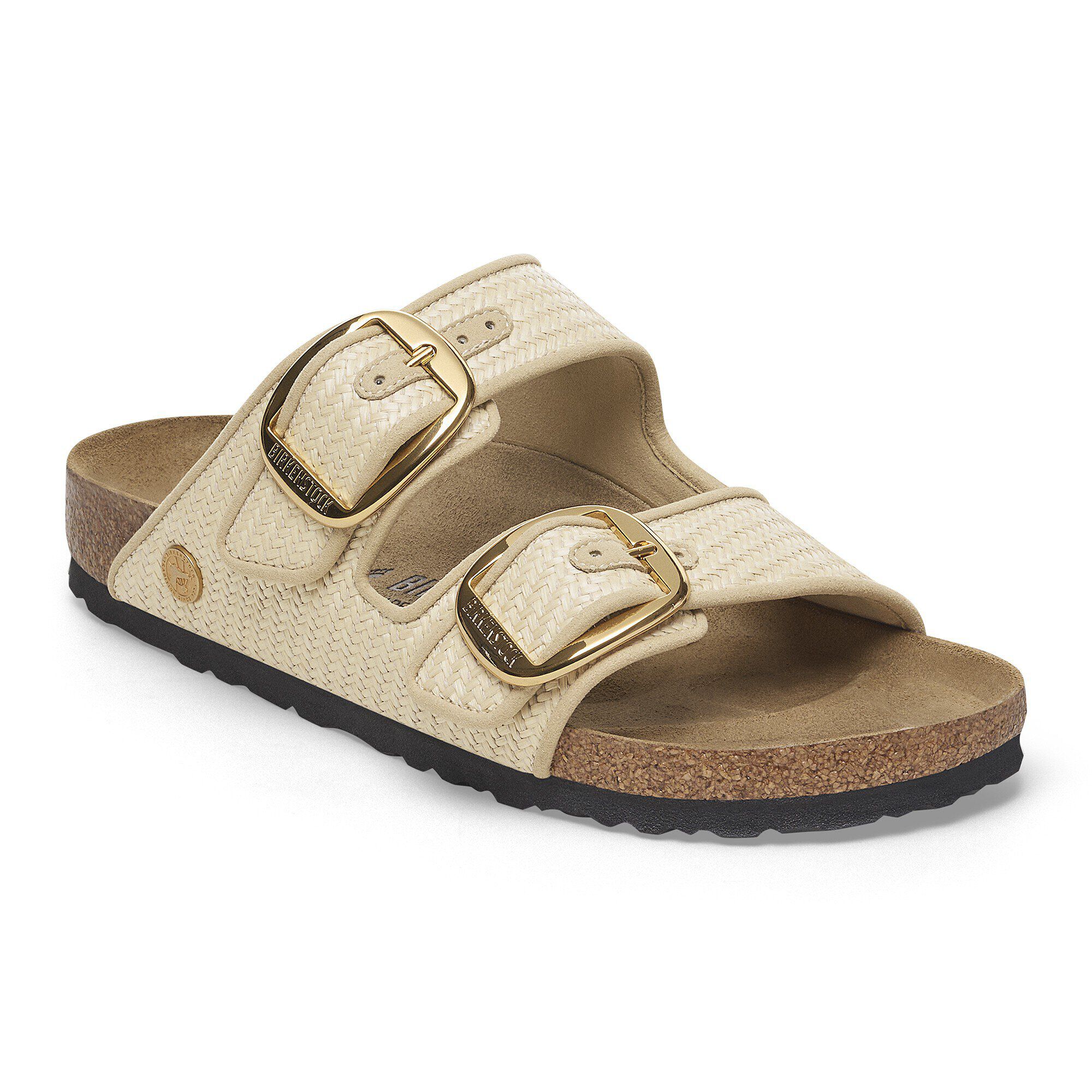
Birkenstock's cork footbeds are made from a blend of natural cork (typically 60-70%) and latex binders. The manufacturing process is energy-efficient compared to synthetic foam alternatives. Cork is lightweight, requires minimal processing, and generates little waste—offcuts are often recycled into other products. The brand's commitment to sustainable shoemaking extends to using solvent-free adhesives and water-based finishes in many models.
Beyond Cork: Eco-Friendly Materials Across the Collection
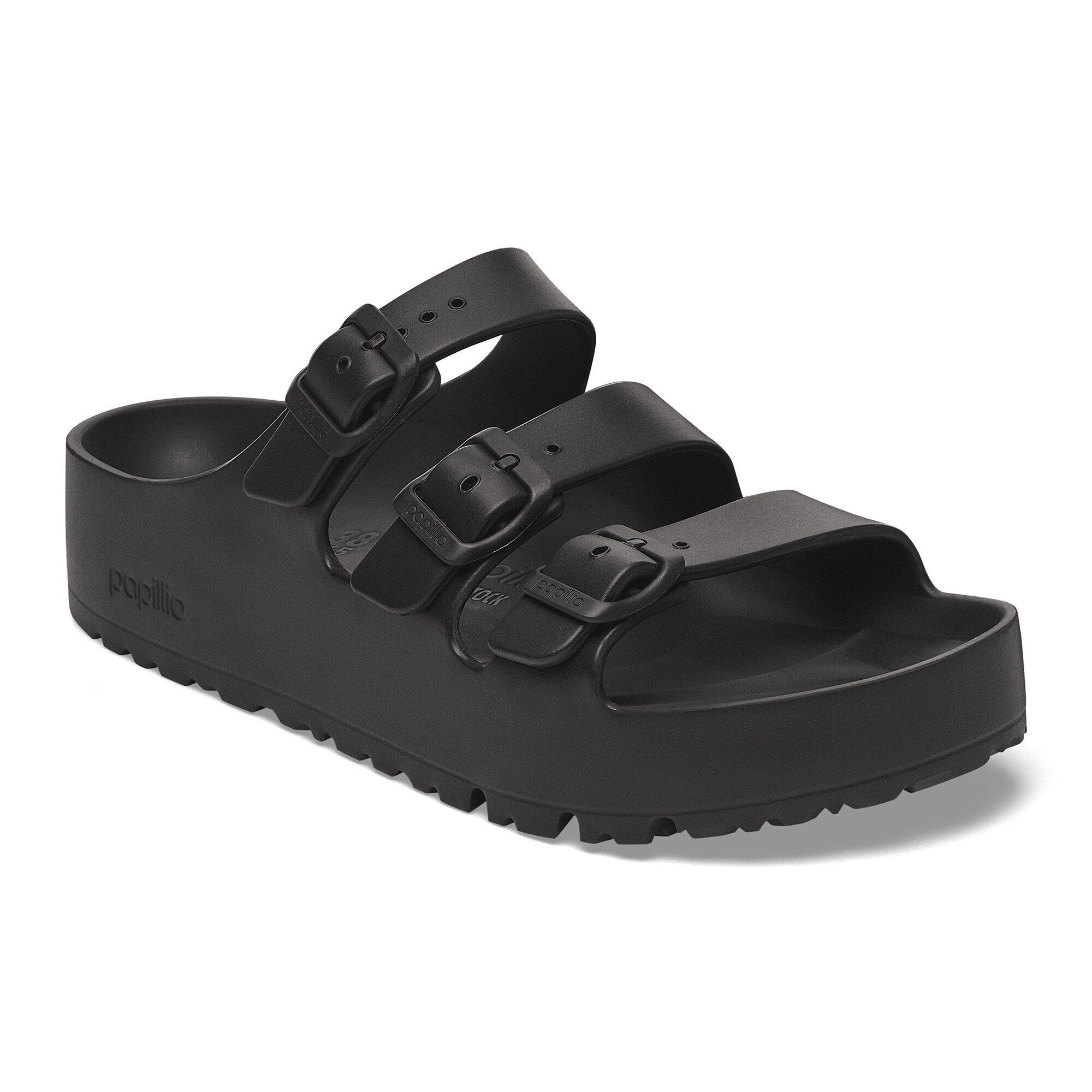
While the cork footbed is the star, Birkenstock incorporates other sustainable materials. Natural leathers are often sourced from byproducts of the food industry, reducing waste. For those seeking vegan options, the brand offers Birko-Flor, a synthetic upper made from recycled polyester fibers. The Gizeh PAP Flex Platform Birko-Flor exemplifies this approach—its upper is crafted from recycled materials, and the platform sole reduces the amount of virgin rubber needed. Similarly, the Arizona Big Buckle EVA is made from ethylene-vinyl acetate, a lightweight and recyclable foam that's free from PVC and phthalates, making it a great choice for water-friendly wear.
Leather and Shearling: Natural and Biodegradable
Birkenstock's leather products, such as the Naples Wrapped Natural Leather Oiled, use hides treated with natural oils and waxes, avoiding toxic chrome tanning. These leathers are biodegradable under proper conditions. Shearling-lined models provide warmth without synthetic insulation, and the wool is a renewable byproduct. Even the Uppsala Mid Suede Leather boot uses suede sourced from tanneries that follow strict environmental regulations.
Circular Economy: Longevity and Repairability
One of the most sustainable aspects of Birkenstock is its repairability. The cork footbed can be replaced, and soles can be resoled—extending the life of a pair for years. This contrasts with fast-fashion footwear that ends up in landfills. The brand also offers a recycling program for worn-out sandals, where materials are separated and repurposed. Choosing a durable style like the Arizona Rivet Suede Leather not only supports your feet but also reduces your fashion footprint.
Challenges and Criticisms
No product is perfect. Cork extraction requires manual labor and transportation, which adds emissions. The latex binder in footbeds is not fully biodegradable, though Birkenstock is researching plant-based alternatives. Additionally, some synthetic uppers, like Birko-Flor, are not yet recyclable in all regions. However, the company's eco-friendly Birkenstock efforts include carbon offset programs and partnerships with reforestation initiatives.
How to Make Your Birkenstocks Last Longer
To maximize sustainability, care for your footwear properly. Use cork sealant to prevent drying, clean suede with a brush, and store away from direct heat. When the footbed wears down, visit a cobbler for replacement rather than buying new. The Bend Low Decon Mixed Leather sneaker, for example, features a removable footbed that can be swapped out, extending its useful life.
Conclusion: The Path Forward
Birkenstock's cork footbed is more than a comfort feature—it's a model for sustainable shoemaking. By choosing renewable materials, prioritizing repairability, and exploring recycled synthetics, the brand sets a benchmark for the footwear industry. As a consumer, every pair you wear supports a system that values the planet as much as your feet. Explore the full collection and see how eco-friendly design meets everyday wear.
Ready to step into sustainability? Check out the Gizeh PAP Flex Platform Birko-Flor for a stylish, recycled-material option that blends comfort with conscience. Your feet—and the Earth—will thank you.