The Environmental Impact of Birkenstock Cork Footbeds: A Look at Sustainable Shoemaking
By birkenstock | Published: 2026-06-04
Category: Industry News
Discover how Birkenstock's cork footbeds reduce environmental impact through sustainable materials and ethical production. Learn about eco-friendly shoemaking practices.
When you slip into a pair of Birkenstock sandals or clogs, the first thing you notice is the unmistakable comfort of the cork footbed. But beneath that ergonomic shape lies a story of sustainability that stretches back decades. Birkenstock has long championed natural materials and responsible manufacturing, making their footwear a standout choice for eco-conscious consumers. In this article, we explore the environmental impact of Birkenstock cork footbeds and how the brand’s commitment to sustainable shoemaking is shaping the future of fashion.
The Anatomy of a Birkenstock Cork Footbed
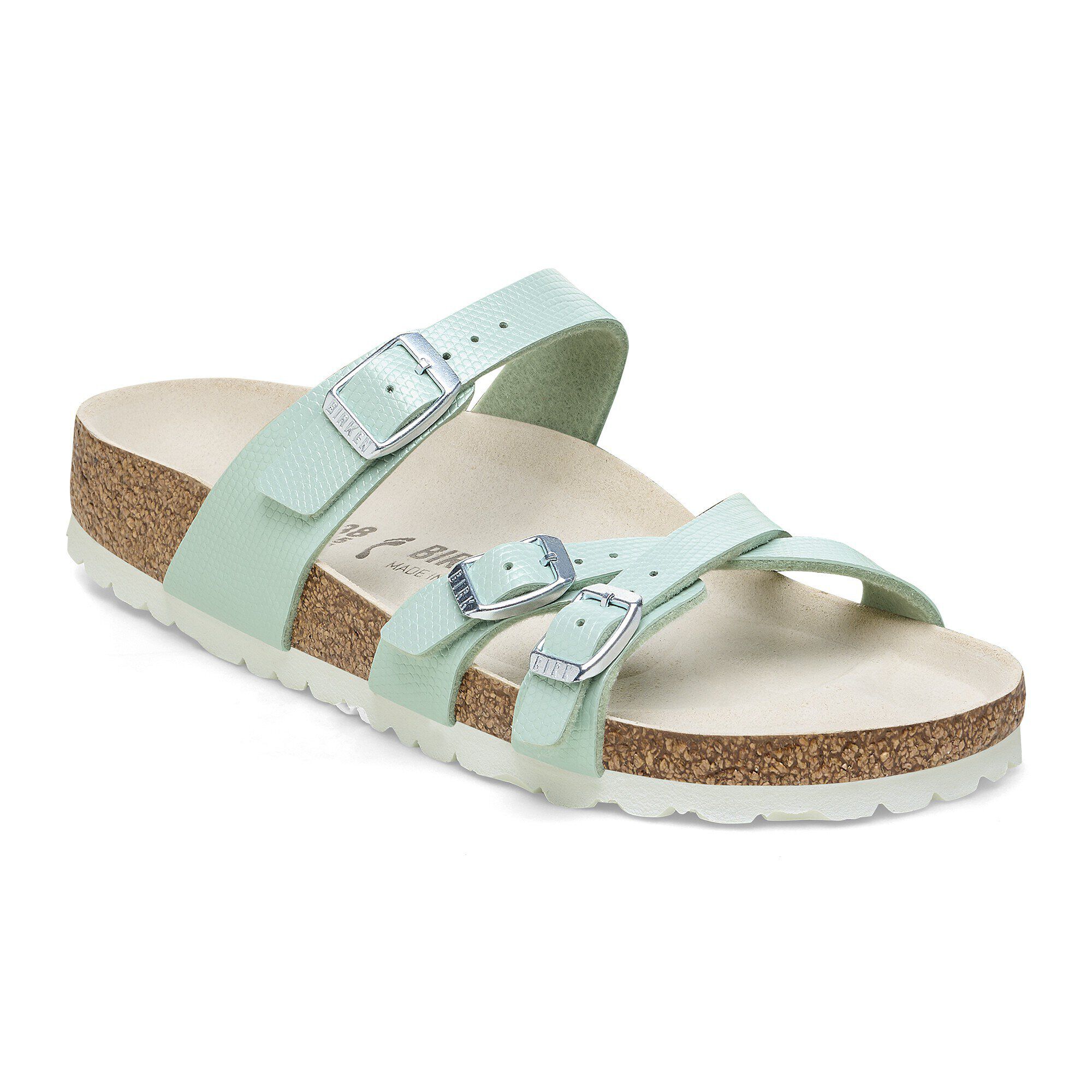
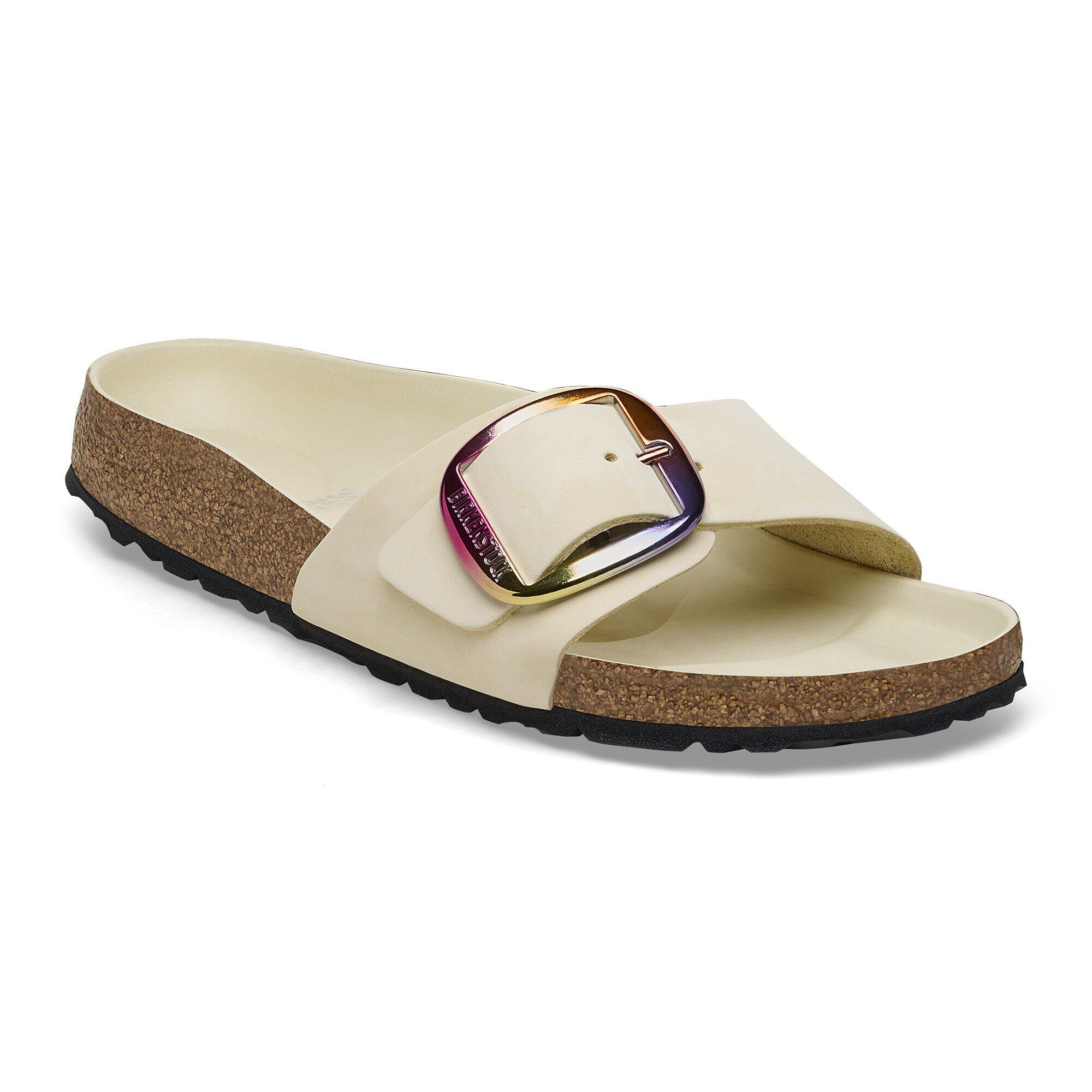
At the heart of every Birkenstock is the contoured footbed, which is crafted from a blend of natural cork and latex. Cork is harvested from the bark of the cork oak tree (Quercus suber), a process that does not harm the tree. The bark regenerates every nine to twelve years, making cork a truly renewable resource. This sustainable material is combined with natural latex—a rubber derived from the sap of rubber trees—to create a flexible, supportive, and long-lasting footbed. The result is a product that not only provides exceptional arch support but also minimizes environmental footprint.
Birkenstock sources cork from certified sustainable forests, primarily in Portugal and the Mediterranean region. These forests support biodiversity, prevent soil erosion, and act as carbon sinks. By choosing cork, Birkenstock reduces reliance on petroleum-based foams and synthetic materials common in many other footwear brands.
Why Cork Is a Game-Changer for Eco-Friendly Shoes
Cork is lightweight, waterproof, and naturally antimicrobial, which helps prevent odors and extends the life of the footbed. Its cellular structure is composed of millions of tiny air pockets, making it both buoyant and insulating. This unique combination means that a Birkenstock cork footbed can withstand years of wear without breaking down, reducing the need for frequent replacements and cutting down on waste.
Moreover, cork production requires minimal water and no pesticides or fertilizers, unlike many synthetic alternatives or conventional leather. The harvesting process actually promotes tree health and longevity, as the bark removal stimulates growth. This makes cork one of the most environmentally friendly materials available for footwear.
Beyond the Footbed: Sustainable Materials Across the Collection
Birkenstock’s commitment to sustainability extends beyond cork. The brand uses natural leathers, suede, and shearling from responsible sources, as well as recycled and biodegradable components. For example, the Uppsala Mid Suede Leather boot features a suede upper from certified tanneries that follow strict environmental standards. Similarly, the Uppsala Mid Shearling Suede Leather combines shearling lining with suede, offering warmth without synthetic insulation.
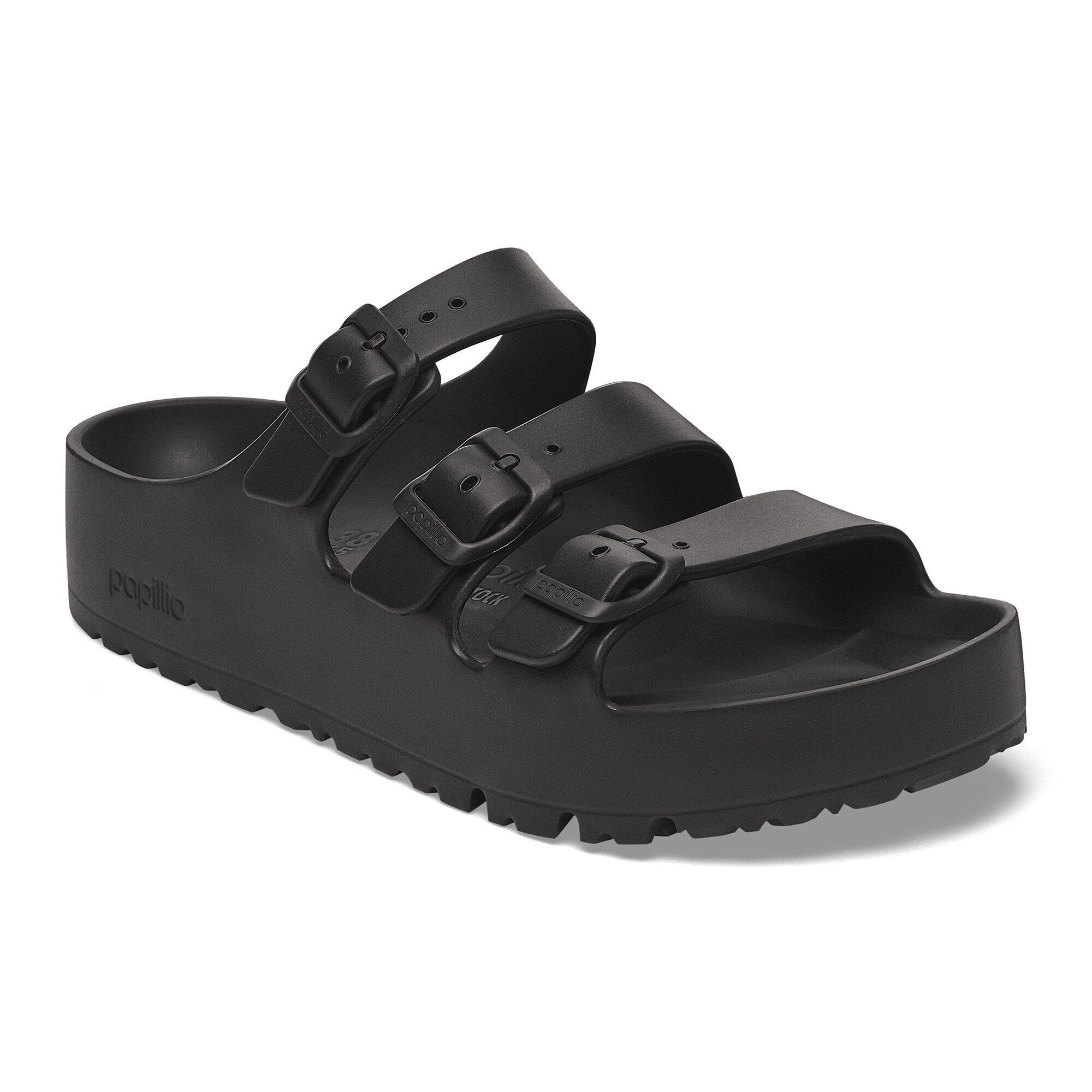
The brand also offers vegan-friendly options like the Florida Flex Platform EVA sandal, which uses lightweight, flexible EVA (ethylene-vinyl acetate) that is recyclable in many municipal programs. While EVA is not biodegradable, Birkenstock is actively researching bio-based alternatives to further reduce its environmental impact.
Ethical Production and Carbon Footprint
Birkenstock manufactures the majority of its products in Germany, where strict environmental and labor regulations apply. The company has invested in energy-efficient factories, waste reduction programs, and water recycling systems. For instance, leather scraps from cutting are repurposed into smaller goods or recycled, and cork waste is used for insulation in building materials.
Transportation emissions are minimized by producing locally for European markets and using sea freight for overseas shipments rather than air freight. Birkenstock also offsets unavoidable emissions through reforestation projects, contributing to a net-positive environmental impact.
Comparing Birkenstock to Conventional Footwear
To understand the scale of Birkenstock’s sustainability, compare a typical pair of sneakers to a Birkenstock sandal. Most athletic shoes are made from synthetic materials like polyester, nylon, and EVA foam, which are derived from fossil fuels. These materials can take hundreds of years to decompose in landfills. In contrast, a Birkenstock cork footbed is biodegradable under the right conditions (industrial composting). The natural leather uppers also biodegrade, though slower than the cork.
A 2023 lifecycle analysis by an independent environmental consultancy found that Birkenstock’s most popular sandal models have a carbon footprint approximately 30% lower than the average leather dress shoe and 50% lower than standard synthetic sneakers. This is due to the longevity of the product—consumers keep their Birkenstocks for five to ten years on average—and the renewable nature of the raw materials.
How to Extend the Life of Your Birkenstocks
One of the best ways to support sustainability is to wear your shoes as long as possible. Birkenstock offers replacement footbeds and repair services for many models, allowing you to refresh the support without buying an entirely new pair. Proper care—such as cleaning with a damp cloth, using cork sealant, and storing away from direct heat—can double the life of your footbed.
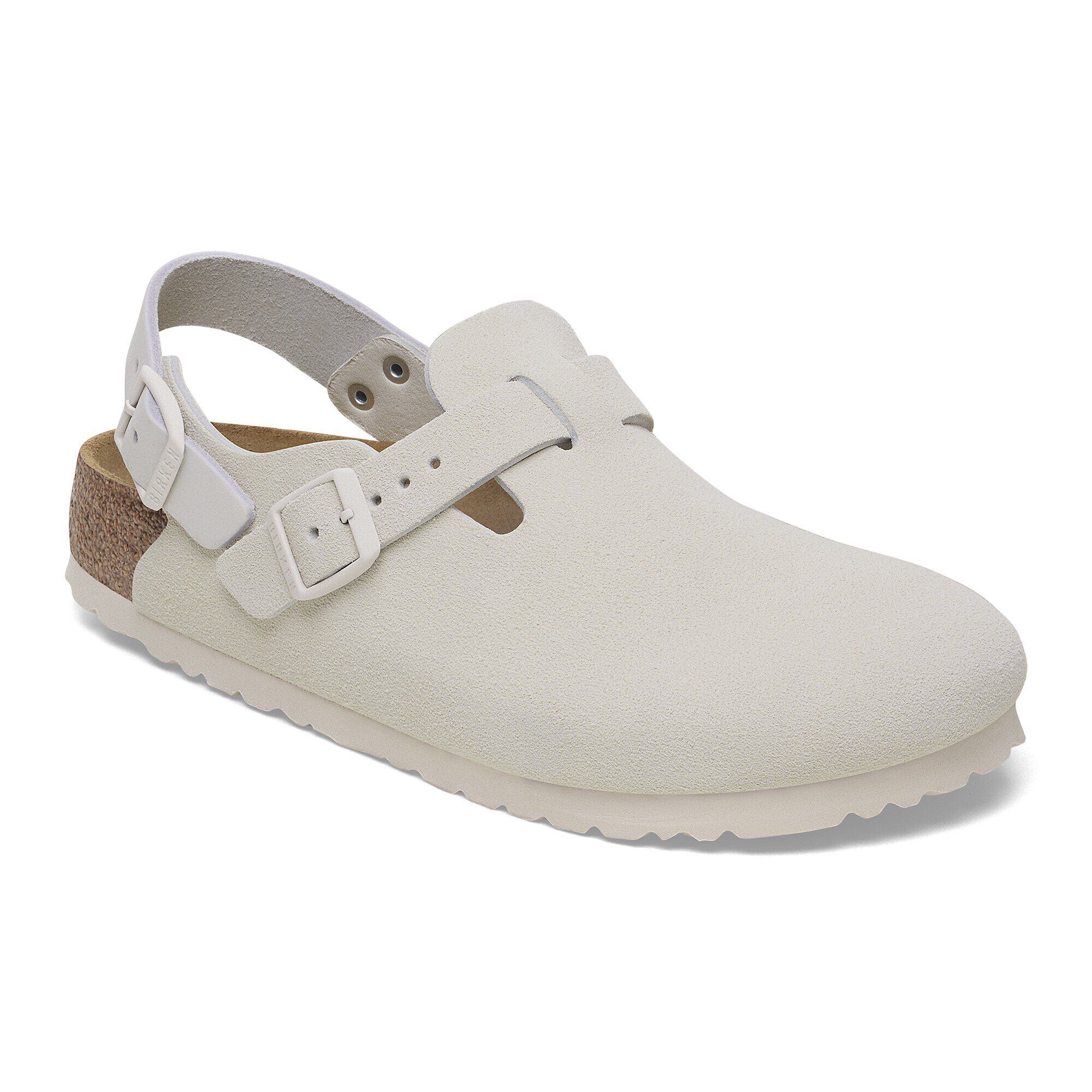
For those looking to reduce their environmental impact further, consider choosing styles with minimal synthetic components. The Tokio Shearling Suede Leather clog, for example, uses shearling from sheep raised for meat production (a by-product), reducing waste in the meat industry. Similarly, the Highwood Slip On Mid Women Nubuck Leather boot uses nubuck leather from certified tanneries and a natural rubber outsole.
The Role of Consumer Choices in Sustainable Fashion
While brands like Birkenstock are leading the way, consumers also play a vital role. By choosing high-quality, repairable footwear, you reduce demand for fast fashion and disposable shoes. Birkenstock’s design philosophy—timeless aesthetics and durable construction—encourages a “buy less, wear longer” mentality that aligns with circular economy principles.
Additionally, the brand’s transparency about sourcing and manufacturing allows you to make informed decisions. Look for certifications like the Leather Working Group or FSC (Forest Stewardship Council) on product pages to verify sustainability claims.
Conclusion: Step Lightly with Birkenstock
Birkenstock’s cork footbeds are more than just comfortable—they’re a testament to how thoughtful design and natural materials can reduce environmental impact. From the renewable cork oak forests to the durable construction that keeps shoes out of landfills, every step of production is guided by sustainability principles. By choosing Birkenstock, you’re not only investing in your own comfort but also supporting a more ethical and eco-friendly footwear industry.
Explore the collection to find your next pair of sustainable shoes. Start with the Uppsala Mid Suede Leather boot for a versatile, eco-conscious addition to your wardrobe that you’ll love for years to come.