How to Break In Birkenstock Leather Sandals and Shoes Without Blisters
By birkenstock | Published: 2026-05-28
Category: How-to Guides
Learn expert tips to break in Birkenstock leather sandals and shoes comfortably without blisters. Discover gradual wear, socks, leather softeners, and the best styles for a pain-free fit.
Birkenstock leather sandals and shoes are renowned for their exceptional arch support, high-quality materials, and timeless style. However, anyone who has slipped on a fresh pair knows that the initial break-in period can be a test of patience—and sometimes, skin. The stiff leather and structured cork-latex footbed need time to mold to your foot's unique shape, and without the right approach, blisters and discomfort can turn your excitement into regret.
This comprehensive guide will walk you through proven strategies to break in your Birkenstock leather footwear gently, prevent blisters, and care for the leather so your sandals or shoes last for years. Whether you've just bought a classic pair of Florida Fresh Natural Leather Patent sandals or a rugged Bend Low Suede Leather sneaker, these tips will help you achieve a custom-like fit without the pain.
Why Birkenstock Leather Footwear Requires a Break-In Period
Birkenstock's construction is unlike most mass-produced shoes. The footbed is made from a blend of cork and latex, which is firm and supportive from day one. The leather uppers are thick, full-grain or nubuck, and initially stiff. This combination is intentional: over time, the footbed compresses and molds to your arches, while the leather softens and flexes with your movements. The result is a personalized fit that supports your feet better than almost any other shoe.
But that initial stiffness means friction points—especially at the heel, the edges of the toe bar, and across the instep. Without a gradual break-in, these areas can rub raw and cause blisters. Understanding this process is the first step to avoiding pain.
Step 1: Wear Your Birkenstocks in Short Intervals
The golden rule of breaking in Birkenstocks is to start slow. Do not wear your new leather sandals or shoes for a full day of walking, especially on hard pavement. Instead, wear them for 30 minutes to 1 hour around the house. This gives your feet time to adapt and the materials time to warm up and begin flexing.
Gradually increase wearing time by 15–30 minutes each day. After a week, most people can wear their Birkenstocks for a few hours without discomfort. If you feel any hot spots or rubbing, stop immediately and let your feet recover. Pushing through pain will only lead to blisters and possibly discourage you from wearing your beloved sandals.
Step 2: Wear Socks During the Break-In Period
One of the most effective ways to prevent blisters is to wear socks with your Birkenstocks during the break-in. This might feel counterintuitive, especially with open sandals, but it works wonders. Thick, cushioned socks create a barrier between your skin and the stiff leather, reducing friction and absorbing moisture. They also help stretch the leather slightly as you walk.
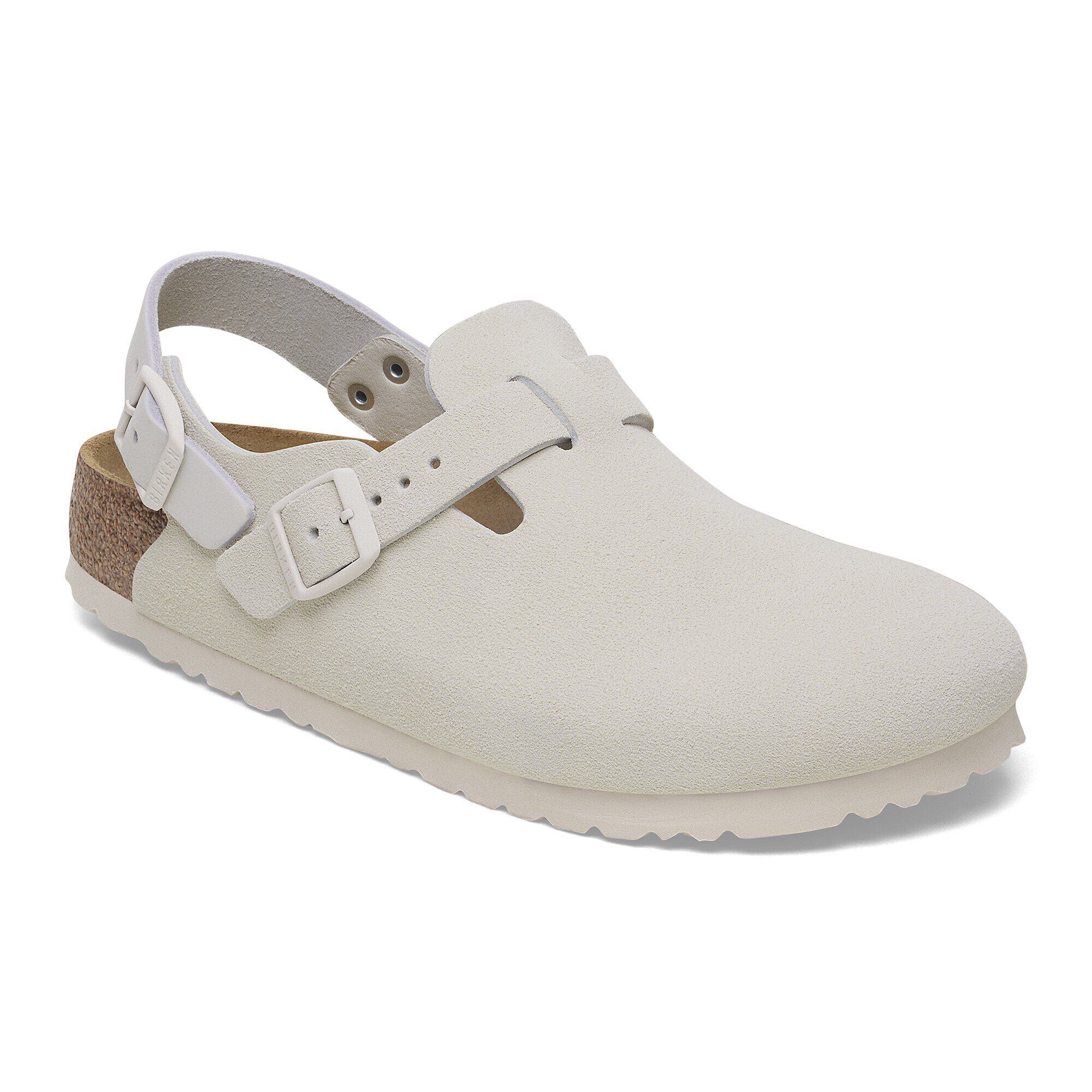
For closed styles like the Bend Low Suede Leather, socks are a natural choice. For sandals, try a pair of wool or cotton socks that cover your heel. Once the leather softens, you can transition to barefoot wear. Many Birkenstock fans actually love the sock-sandal look, so you might even decide to keep it as a style choice.
Step 3: Target Stiff Spots with Targeted Massage and Gentle Stretching
If you notice particularly stiff areas—like the heel cup or the straps—you can manually soften them. Use your hands to massage and flex the leather in those spots. For sandals, gently bend the straps back and forth (avoid overdoing it) to increase pliability. For closed shoes, you can stuff them with a balled-up towel or a shoe tree to gently stretch the leather overnight.
Another trick is to use a hairdryer on a low, warm setting to heat the leather for 30 seconds before wearing them. Warm leather becomes more pliable and will mold faster. Be careful not to overheat or damage the material. After warming, wear the shoes immediately (with socks!) and walk around for 15 minutes. This can accelerate the break-in by a couple of days.
Step 4: Use Leather Conditioners and Softeners Sparingly
Yes, you can help the leather break in faster with products, but less is more. For smooth leather, apply a small amount of high-quality leather conditioner (like mink oil or a neutral leather balm) to the inside and outside of the straps. This softens the fibers without oversaturating. For suede and nubuck (like the Bend Low Suede Leather Embossed), use a suede protector spray instead—conditioners can darken or stain the nap.
Avoid using oils or waxes on the cork footbed, as they can damage the cork's natural grip and structure. Stick to treating only the leather uppers. After applying conditioner, let it absorb for a few hours, then wear the shoes as usual.
Step 5: Choose the Right Fit from the Start
Many blisters and break-in issues stem from buying the wrong size. Birkenstocks should fit snugly but not tight. Your toes should not touch the front edge, and your heel should sit firmly in the heel cup. If the shoes are too large, your foot will slide and rub; if too small, the leather will press painfully.
Visit a store to try on both the regular and narrow widths. The Bend Low Decon Textile is a great option if you prefer a more flexible textile upper that requires less break-in, while the leather versions offer durability. Once you have the correct size, the break-in process becomes much smoother.
Step 6: Protect Your Feet with Blister Prevention Products
Even with the best strategies, some friction is inevitable. Arm yourself with blister prevention tools: silicone heel pads, moleskin patches, or blister balms. Apply these to areas that tend to rub—typically the back of the heel or the top of the foot where the strap crosses. These products create a low-friction surface and cushion sensitive spots.
You can also use medical tape or specialized blister plasters directly on your skin. As the leather softens over a week or two, you can gradually reduce the use of these aids.
How Long Does It Take to Break In Birkenstock Leather?
Patience is key. On average, it takes 1 to 3 weeks of consistent, gradual wear to fully break in a pair of Birkenstock leather sandals or shoes. The cork footbed typically molds within 20–40 hours of walking, while the leather uppers soften in the same period. Suede and nubuck (like the Highwood Lace Mid Men Suede Leather) tend to break in faster than smooth, polished leather because they are more pliable from the start.
If you wear your Birkenstocks daily and follow the steps above, you should notice significant improvement after the first week. By week three, they will feel like a second skin—custom-molded to your arches and foot shape.
Common Mistakes to Avoid During the Break-In Period
- Wearing them all day on the first wear: This is the fastest route to blisters. Always start with short sessions.
- Ignoring hot spots: If a spot feels warm or irritated, stop wearing them and apply a bandage or moleskin before your next wear.
- Soaking the cork footbed: Water degrades cork. Never submerge your Birkenstocks or use wet socks to try to speed up the process.
- Using harsh chemicals: Avoid alcohol wipes, acetone, or other solvents on leather—they will dry out and crack the material.
- Forcing the toe bar: The toe bar is designed to encourage a natural gripping motion. Don't try to flatten it; your toes will adapt over time.
Caring for Your Leather Birkenstocks After the Break-In
Once your Birkenstocks are broken in, maintain them to prolong their life. Clean smooth leather with a damp cloth and apply conditioner every few months. For suede, use a suede brush and protector spray. Store them away from direct heat and sunlight. Replace the cork sealant if it wears thin. With proper care, your Birkenstocks will last a decade or more.
Remember, the break-in period is an investment in comfort. The effort you put in during the first few weeks pays off with years of unmatched support and style.
Final Thoughts: Embrace the Process
Breaking in Birkenstock leather sandals and shoes is a rite of passage. It's a sign that you own a quality product built to last. By starting slow, wearing socks, softening the leather gently, and protecting your feet, you can avoid blisters and enjoy the journey to perfect fit. Soon, you'll understand why millions of people swear by their Birkenstocks—and you'll be ready to explore new styles.
Ready to start your journey? Explore the Florida Fresh Natural Leather Patent for a polished, durable sandal that will reward your patience with incredible comfort. Or if you prefer a sneaker-like feel, the Bend Low Suede Leather is an excellent choice that combines Birkenstock support with a modern silhouette. Your feet will thank you.