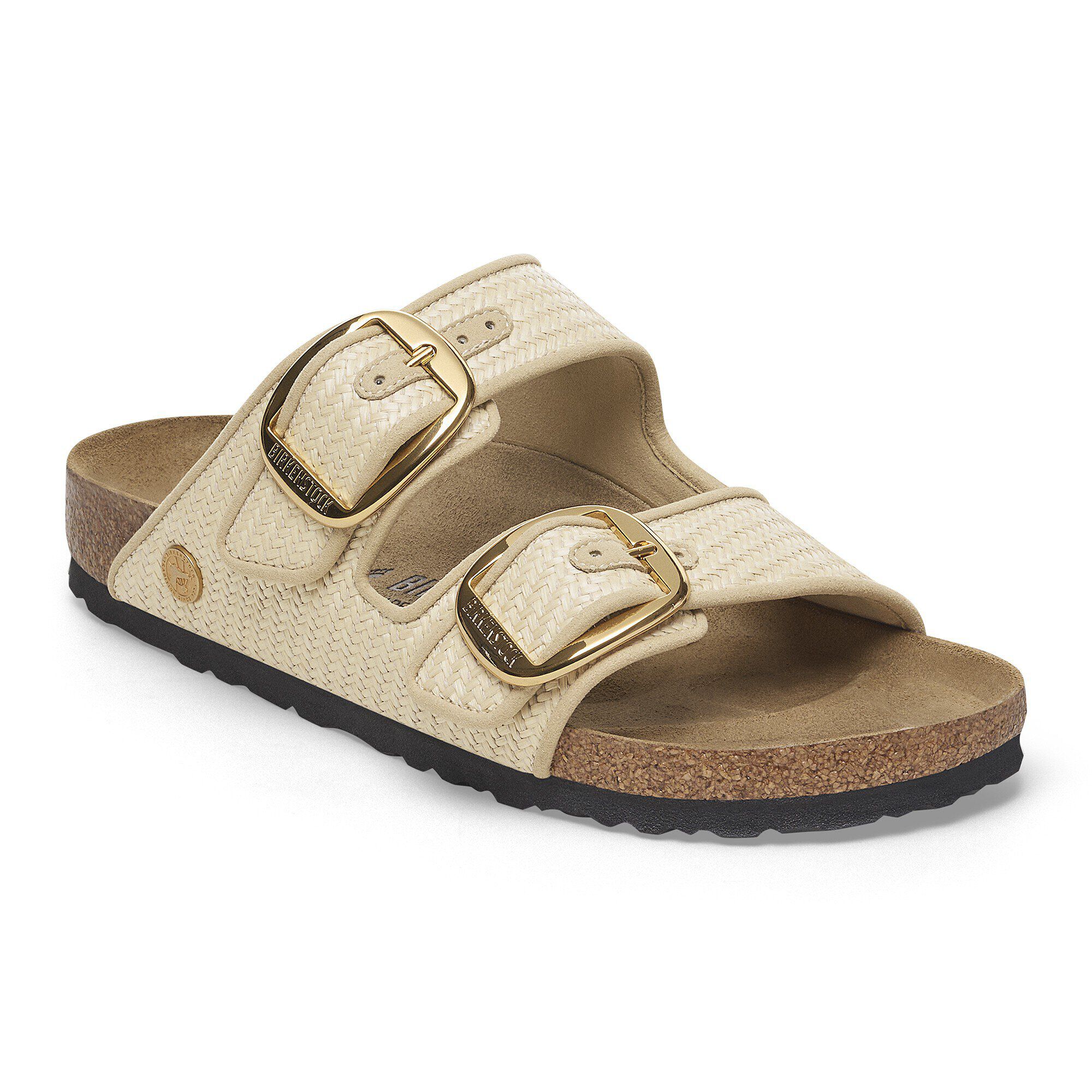
Birkenstock Wedges vs Platforms: Which Elevated Style Offers Better All-Day Comfort?
By birkenstock | Published: 2026-06-24
Category: Product Reviews
Compare Birkenstock wedges and platforms to find the most comfortable elevated sandal for all-day wear. Explore design, support, and style differences with expert tips.
When you think of Birkenstock, the first image that comes to mind is often the classic two-strap sandal with a flat, contoured cork footbed. But in recent seasons, the brand has elevated its game—quite literally—by introducing wedges and platforms that add height without sacrificing the iconic orthotic support. If you're torn between a wedge heel and a platform sole, you're not alone. Both styles promise a lifted silhouette and all-day comfort, but they deliver the experience in very different ways. In this comprehensive comparison, we'll break down the construction, support, stability, and style versatility of Birkenstock wedges versus platforms, so you can choose the elevated sandal that truly works for your feet and your lifestyle.
Understanding the Key Differences: Wedge vs. Platform
At first glance, wedges and platforms both add height, but the mechanics underfoot are distinct. A wedge heel is a solid, triangular-shaped sole that runs from the heel to the ball of the foot, creating a gentle incline. In contrast, a platform has a uniform thickness from heel to toe, offering a flat, level walking surface. Birkenstock applies its signature contoured footbed—with deep heel cup, arch support, and toe grip—to both styles, but the angle and distribution of weight differ.
| Feature | Wedge | Platform |
|---|---|---|
| Heel-to-toe drop | Gentle incline (typically 1–2 inches) | Zero drop (level sole) |
| Weight distribution | Shifts slightly forward | Evenly distributed |
| Stability | Moderate (requires ankle engagement) | High (flat base) |
| Best for | Dressed-up occasions, date nights | All-day walking, casual wear |
| Typical height | 2–3 inches | 1.5–2.5 inches |
Understanding this table is the first step in deciding which elevated silhouette suits your daily routine. If you're someone who spends hours on your feet—whether at work, running errands, or exploring a new city—the platform's level base may feel more natural. If you want a touch of elegance without a steep heel, a wedge can be a beautiful compromise.
Birkenstock Wedges: Style Meets Subtle Lift
Birkenstock wedges are typically constructed with a cork or EVA midsole that tapers from heel to toe, covered in suede, leather, or textile. The footbed remains contoured, but the wedge angle can slightly alter the fit. Many wearers find that a wedge encourages a more upright posture, which can be beneficial for back alignment—but only if the angle is moderate. Birkenstock's wedges are generally lower than traditional high heels, making them more approachable for daily wear.
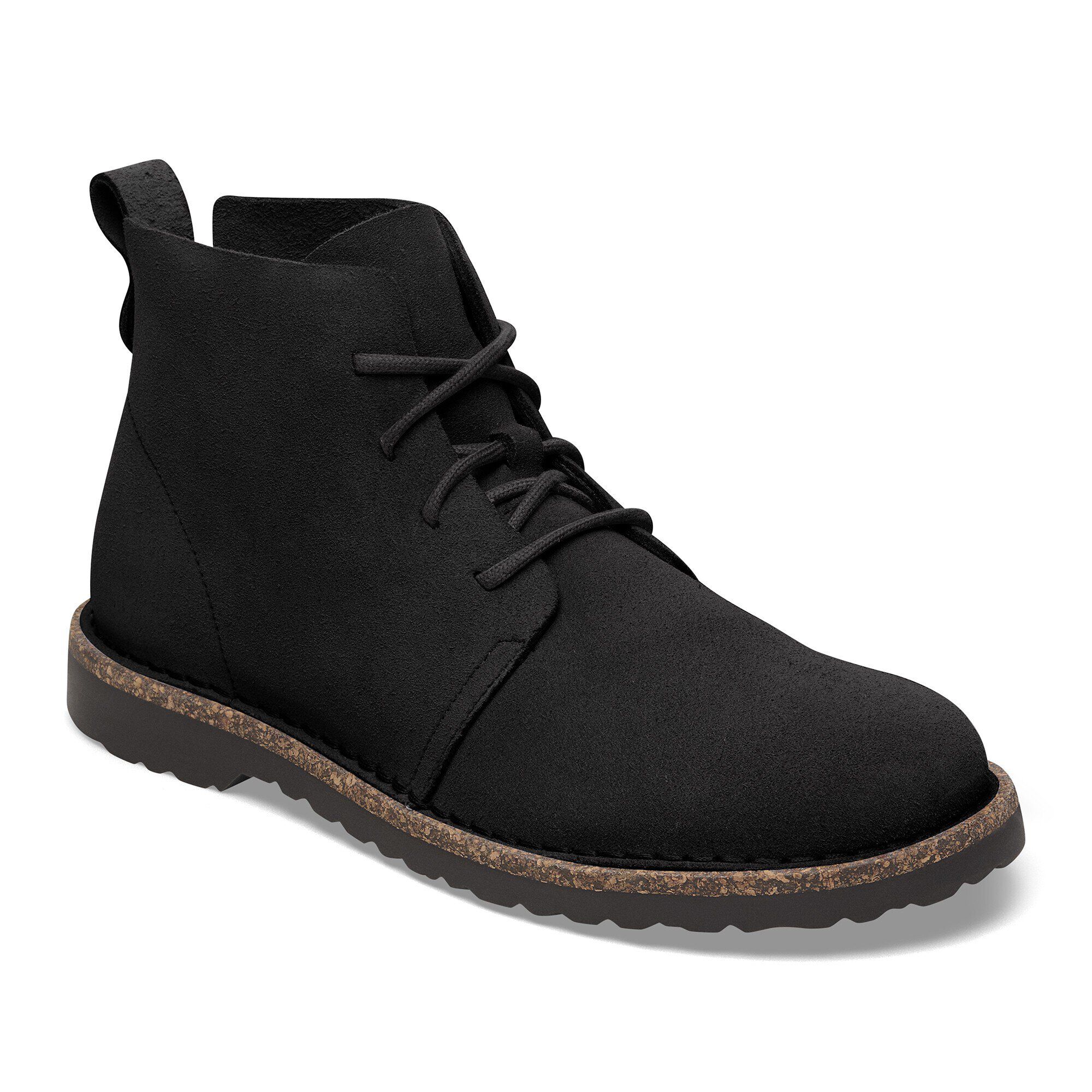
One popular wedge style is the Uppsala Mid Suede Leather, a mid-calf boot with a subtle wedge heel. It pairs beautifully with skinny jeans or a midi skirt, offering a polished look that still feels grounded. The wedge sole provides just enough lift to elongate the leg, while the suede upper adds a soft, luxurious texture. For warmer months, the brand also offers wedge sandals with thin straps and a cork wedge, though they are less common than platform sandals.
Pros of wedges:
- Creates a flattering leg line without a steep pitch
- Often lighter than platform equivalents
- Works well for semi-formal and casual outfits
Cons of wedges:
- Can cause slight forward pressure on the ball of the foot
- Less stable on uneven terrain
- Limited style options compared to platforms
Birkenstock Platforms: Maximum Comfort, Maximum Height
Platforms from Birkenstock are designed with a thick, uniform sole—often made from lightweight EVA (ethylene-vinyl acetate) or cork—that keeps the foot parallel to the ground. This zero-drop design means your heel and toe stay at the same level, which is why many fans say platforms feel almost as comfortable as flat sandals, despite the added height. The contoured footbed is integrated directly into the platform, so you still get the arch support and deep heel cup that Birkenstock is famous for.
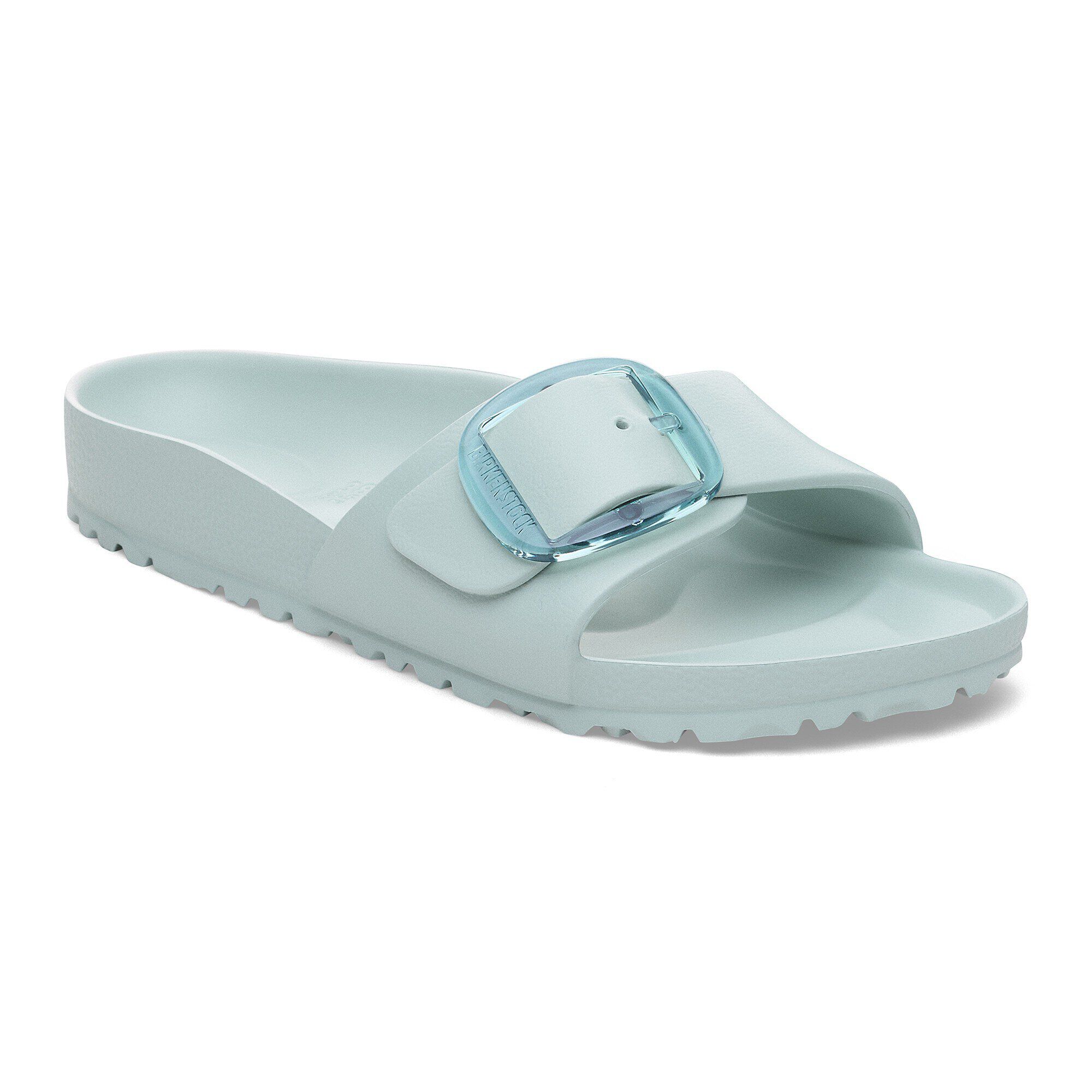
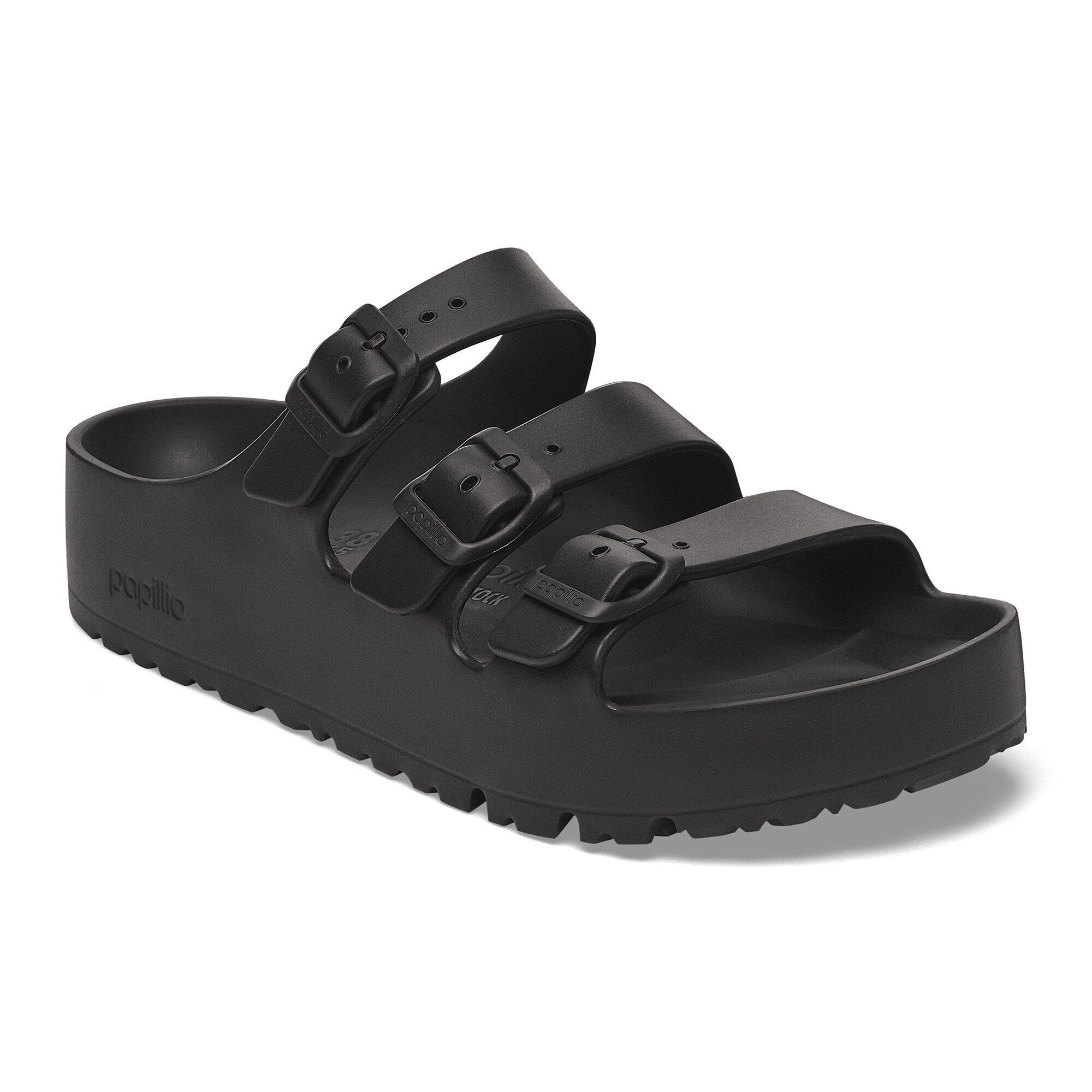
A standout example is the Madrid Big Buckle EVA, which combines a chunky platform sole with a single wide strap and oversized buckle. The EVA material makes it incredibly lightweight and water-friendly—perfect for poolside, beach days, or humid summer walks. The platform sole is about 1.5 inches thick, giving you noticeable height without the instability of a heel. Another fantastic platform option is the Arizona Stealth Buckle EVA, which takes the iconic two-strap design and adds a full-length platform. The stealth buckle adds a modern, edgy touch, while the EVA platform keeps the shoe flexible and shock-absorbing.
Pros of platforms:
- Zero drop means natural foot posture
- Excellent stability for all-day walking
- Wide variety of materials (EVA, cork, leather) and styles
Cons of platforms:
- Can feel bulkier or heavier than wedges
- May not look as dressy for formal occasions
- Thicker sole can reduce ground feel
All-Day Comfort Showdown: Wedge vs. Platform
To truly determine which elevated style offers better all-day comfort, we need to consider three factors: footbed integration, weight distribution, and material choice.
Footbed Integration
Both wedges and platforms feature Birkenstock's original footbed, but the way it sits inside the shoe can differ. In platforms, the footbed is usually flush with the top of the sole, so your foot rests naturally. In some wedge designs, the footbed may be slightly tilted to accommodate the heel lift, which can alter the arch support angle. For people with high arches, this tilt might cause discomfort over long periods. For those with flat feet, the tilt could actually improve alignment.
Weight Distribution
Platforms distribute weight evenly across the entire foot, reducing pressure points. Wedges, by contrast, concentrate more weight on the forefoot—especially if the wedge is steep. Over an 8-hour day of walking or standing, that forefoot pressure can lead to fatigue or even metatarsalgia (ball-of-foot pain). If you have sensitive feet or a history of foot pain, platforms are generally the safer choice.
Material Choice
EVA platforms, like those in the Arizona Stealth Buckle EVA and Madrid Big Buckle EVA, are incredibly lightweight and cushioned. They absorb shock well and flex with your stride. Wedges often use cork or layered leather, which can be stiffer and less forgiving. However, cork wedges do mold to your foot over time, offering a custom fit. If you prioritize immediate softness, go with EVA platforms. If you want a shoe that breaks in and conforms to your foot, a cork wedge might be preferable.
Styling Your Elevated Birkenstocks
Your choice between wedge and platform may also come down to your wardrobe and personal aesthetic. Wedges pair beautifully with dresses, skirts, and tailored trousers—they add a feminine, dressed-up feel. Platforms, with their chunky sole, lean into street-style, athleisure, and casual looks. They look great with wide-leg pants, shorts, and even socks for a playful vibe.
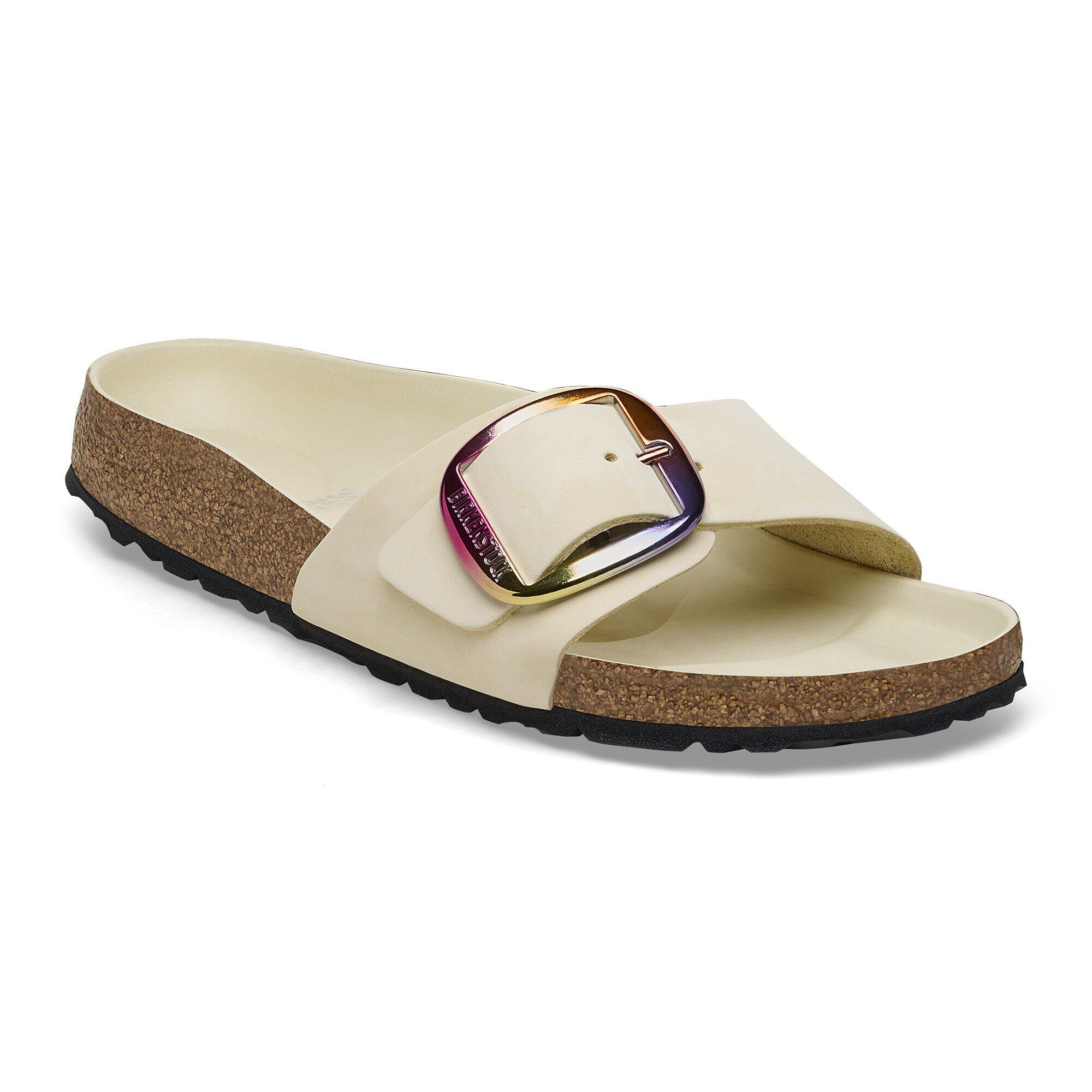
For example, the Tokio Shearling Suede Leather is a closed-toe clog with a platform sole, perfect for cozy fall outfits. The shearling lining adds warmth, while the platform keeps your foot level. It's a winter-ready alternative to wedges, which are often reserved for warmer seasons. Meanwhile, the Madrid Big Buckle Natural Leather Patent offers a sleek, patent finish with a platform sole—ideal for a night out where you want height but still need to dance without pain.
Which Style Wins for Your Foot Type?
- High arches: Platforms provide a more neutral foot position; wedges may feel too tilted.
- Flat feet: Wedges can help encourage a slight arch; platforms offer great stability.
- Wide feet: Both styles are available in regular and wide widths, but platforms often have a roomier toe box.
- Back pain: Platforms are generally better because they prevent forward lean and maintain spinal alignment.
If you have specific foot concerns, it's always wise to try both styles in person. Walk around the store for at least 10 minutes. Pay attention to any pressure on the ball of your foot in wedges, and check that the platform's thickness doesn't make your stride feel clunky.
Durability and Longevity
Both wedges and platforms are built to last, but the durability depends on the materials. EVA soles are lightweight and resistant to water and cracking, but they can compress over time with heavy use. Cork soles are more rigid and durable, but they require occasional sealing to prevent drying out. Leather uppers, like those on the Boston Rivet Suede Leather (a platform clog), can last for years with proper care. Wedges with stacked leather or cork heels may need resoling eventually, but that's a sign of quality—they can be repaired, not replaced.
Final Verdict: Wedges or Platforms?
After weighing the evidence, the winner for all-day comfort is the platform, especially if you plan to walk or stand for hours. The zero-drop design, even weight distribution, and availability of lightweight EVA options make platforms the most forgiving elevated style. That said, wedges have their place: they're more elegant, lighter on the foot, and can be a good choice for short bursts of wear or special events.
If you're looking for a single do-it-all pair of elevated sandals, start with a platform. The Madrid Big Buckle EVA is an excellent entry point—it's affordable, incredibly comfortable, and surprisingly versatile. Or, if you want a closed-toe option that transitions from fall to winter, the Tokio Shearling Suede Leather offers warmth and height without sacrificing stability.
Whichever you choose, remember that Birkenstock's contoured footbed is the real hero. It's what makes elevated sandals feel like you're walking on a supportive cloud—not a high-heeled nightmare. So go ahead, add a few inches to your stride. Your feet will thank you.
Ready to elevate your look? Explore the full collection of Madrid Big Buckle EVA sandals and discover how a platform can transform your everyday comfort and style.