Birkenstock Suede vs. Nubuck Leather: Care, Durability, and Styling Tips
By birkenstock | Published: 2026-06-05
Category: How-to Guides
Discover the key differences between Birkenstock suede and nubuck leather—from care routines and durability to style versatility. Expert tips for maintaining your favorite pairs.
When you invest in a pair of Birkenstocks, you expect exceptional comfort, timeless design, and materials that last. Two of the most popular leather finishes in the Birkenstock lineup are suede and nubuck. At first glance, they look similar—both have a soft, matte surface and a velvety feel. But they differ significantly in texture, durability, care requirements, and even the way they age. Understanding these differences will help you choose the right pair for your lifestyle and keep them looking great for years. In this guide, we break down the essential distinctions between Birkenstock suede vs. nubuck, covering everything from daily maintenance to long-term wear.
What Makes Suede and Nubuck Different?
Both suede and nubuck come from the inner or outer layers of animal hide, but the manufacturing process creates distinct characteristics:
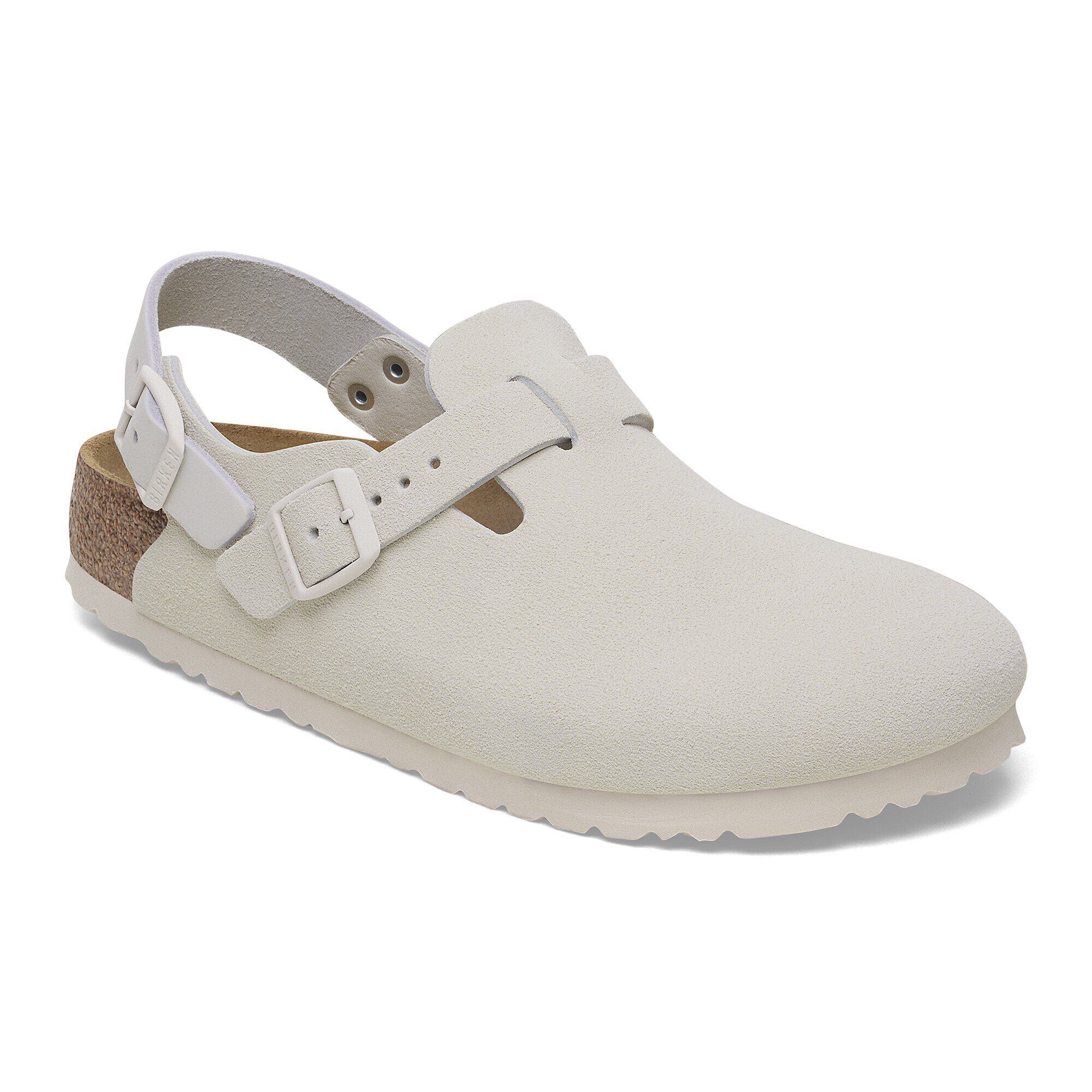
- Suede: Made from the inner split of the hide (the underside of the leather). It is brushed or buffed to create a soft, fuzzy nap. Because it uses the inner layer, suede is generally thinner, more flexible, and more porous than full-grain leather. This makes it highly comfortable right out of the box, but also more susceptible to moisture and stains.
- Nubuck: Made from the outer or top-grain layer of the hide, which is then lightly sanded or buffed to create a fine, velvety texture. Because it uses the stronger outer grain, nubuck is denser, more durable, and more resistant to wear than suede. However, it still has a delicate surface that requires careful handling.
In short: nubuck is essentially “top-grain suede.” It offers the same soft touch but with greater strength and longevity.
Durability: Which Lasts Longer?
If you’re choosing between Birkenstock suede vs. nubuck for everyday wear, durability is a major factor. Nubuck has the advantage because it starts with the stronger outer layer of the hide. It resists scuffing, scratching, and general abrasion better than suede. Over time, nubuck develops a subtle patina that many enthusiasts appreciate.
Suede, being from the inner layer, is more prone to flattening, staining, and showing wear patterns. However, suede is easier to break in and often feels more supple from the start. For example, the Arizona Rivet Suede Leather sandal offers immediate softness and a relaxed look, while a nubuck option like the Bend Low Suede Leather (which features a nubuck-like finish) provides a tougher, more resilient surface for daily use.
Both materials can last for years with proper care, but if you need a shoe that will endure rain, repeated flexing, and rough surfaces, nubuck is the better choice.
Care and Maintenance: A Side-by-Side Comparison
Proper care is essential for both suede and nubuck, but the methods differ slightly. Here is a quick comparison:
| Aspect | Suede | Nubuck |
|---|---|---|
| Water Resistance | Low; absorbs water easily | Moderate; slightly more resistant but still vulnerable |
| Stain Resistance | Low; oil and liquid stains set quickly | Medium; repels better but still needs protection |
| Brushing | Use a soft suede brush to restore nap | Use a nubuck eraser or special brush; avoid over-brushing |
| Cleaning Products | Suede cleaner or vinegar solution | Nubuck-specific cleaner or eraser block |
| Protective Spray | Essential; use a suede/nubuck waterproofing spray | Essential; use a nubuck-specific protector |
| Frequency of Care | Weekly brushing + reapply spray after rain | Bi-weekly brushing + monthly spray |
For both materials, the golden rule is prevention. Always apply a quality protective spray before first wear, and reapply after every few uses or after exposure to moisture. Avoid wearing suede or nubuck in heavy rain or snow unless you are prepared to do immediate care.
Style and Aesthetic Differences
Suede has a more casual, rugged appearance. Its longer nap catches light differently, giving it a slightly “fluffy” texture that pairs well with denim, corduroy, and relaxed outfits. Nubuck, with its finer nap, looks more refined and polished. It works beautifully in smart-casual settings and can be dressed up more easily.
Birkenstock offers both finishes across many iconic silhouettes. For a classic, laid-back look, the suede Arizona Rivet Suede Leather sandal is a wardrobe staple. If you prefer a sleeker, office-friendly style, consider the nubuck version of the Bend Low Suede Leather sneaker—it mimics the appearance of suede but with a smoother, more uniform texture.
Color also plays a role. Suede absorbs dye unevenly, creating rich, varied tones (like the oiled effect). Nubuck takes dye evenly, resulting in more consistent, solid colors. This makes nubuck a popular choice for minimalist or monochromatic looks.
Which Should You Choose?
Your decision should be guided by your lifestyle and style preferences:
- Choose suede if: You want an ultra-soft, flexible shoe from day one, prefer a relaxed, lived-in look, and are meticulous about care (or live in a dry climate). Suede also tends to be slightly lighter weight.
- Choose nubuck if: You need a shoe that can handle more daily wear, you prefer a more uniform, refined appearance, and you are willing to invest in a slightly higher price for greater durability.
For winter or wet conditions, both materials require extra caution. However, nubuck combined with a quality waterproofing spray offers better protection. If you live in a rainy area, you might also consider Birkenstock styles with leather coatings or synthetic materials like EVA.
Final Care Tips for Long-Lasting Suede and Nubuck
- Brush regularly. Use a soft-bristle brush to lift the nap and remove surface dirt. For nubuck, a specialized eraser block can lift stains without damaging the surface.
- Protect before wear. Always use a spray specifically designed for suede/nubuck. Test on a hidden area first.
- Dry naturally. If shoes get wet, stuff them with newspaper and let them air dry away from direct heat. Never use a hairdryer or radiator—it can harden the leather.
- Store properly. Keep your Birkenstocks in a dust bag or box, away from sunlight, to prevent fading and dust buildup.
- Rotate your footwear. Giving your suede or nubuck shoes a day off between wears allows the material to breathe and recover its shape.
Conclusion: The Perfect Pair for Your Wardrobe
Whether you lean toward the cozy, rustic charm of suede or the refined durability of nubuck, both materials bring a unique character to your Birkenstock collection. By understanding the differences in care, durability, and style, you can make an informed choice that fits your daily life. Remember: a little preventive care goes a long way in preserving the beauty of these premium leathers.
Explore the full range of Birkenstock leather options, from classic sandals to modern sneakers. Start with the Arizona Rivet Suede Leather for a timeless warm-weather look, or the Bend Low Suede Leather for a versatile sneaker that transitions from casual to smart-casual with ease. Your feet—and your style—will thank you.