Birkenstock Soft Footbed vs. Classic Footbed: Pros and Cons for Arch Support and Comfort
By birkenstock | Published: 2026-05-27
Category: How-to Guides
Compare Birkenstock Soft Footbed vs. Classic Footbed: which offers better arch support and comfort? Our detailed guide covers pros, cons, fit, and best uses to help you choose.
Choosing between the Birkenstock Classic Footbed and the Birkenstock Soft Footbed can feel like a big decision—especially if you're after the perfect blend of arch support and all-day comfort. Both footbeds are built on Birkenstock's legendary orthopedic design, but they cater to slightly different needs. In this guide, we'll break down the pros and cons of each, compare their arch support, cushioning, and break-in periods, and help you decide which is right for your lifestyle. Whether you're standing all day, walking the city, or just want cozy slippers, understanding these differences will lead you to your ideal pair.
What Makes Birkenstock Footbeds Unique?
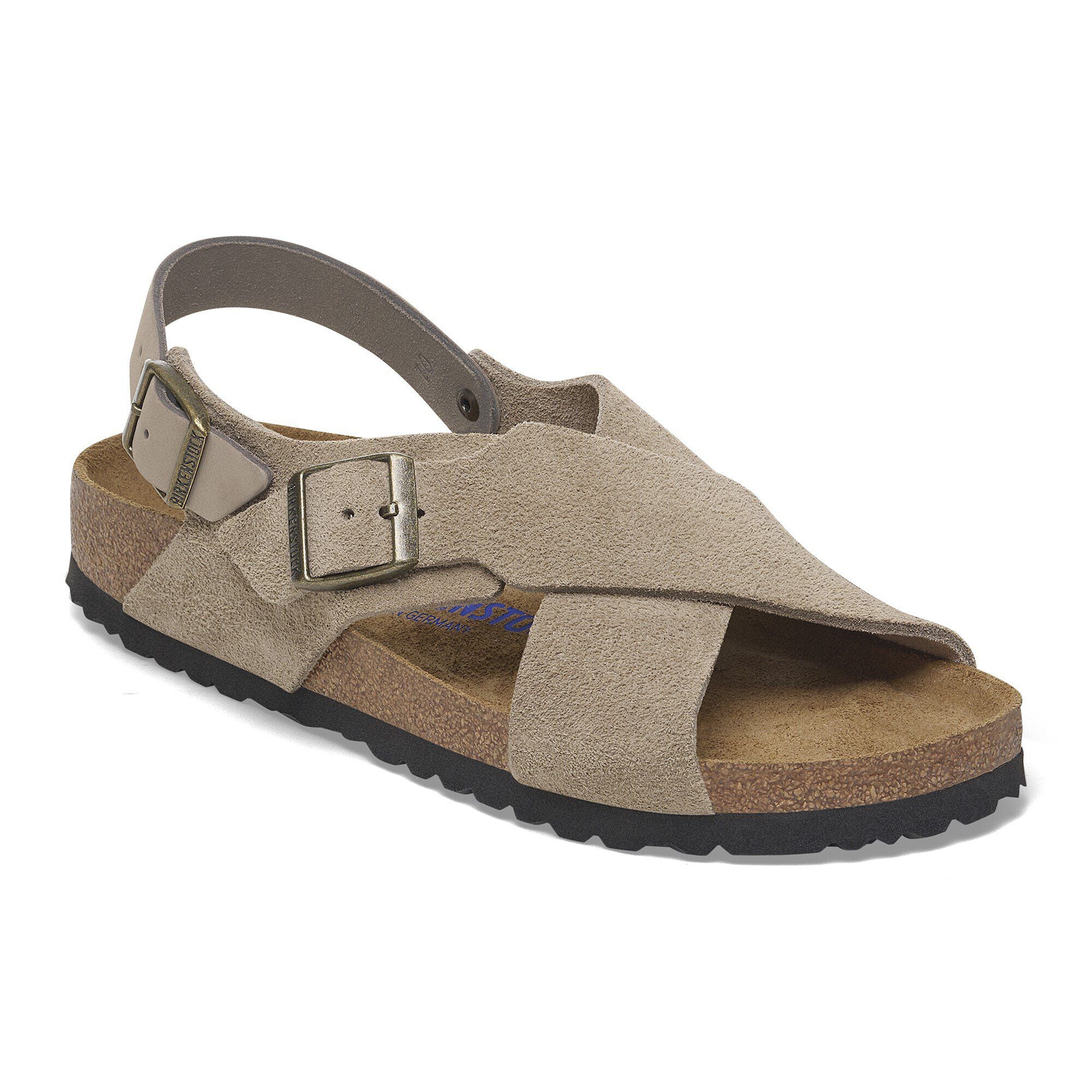
Before diving into the comparison, it's important to understand the shared foundation. Both footbeds feature the iconic Birkenstock cork-latex core, which molds to your foot over time for personalized support. The key difference lies in the top layer: the Classic Footbed uses a thin layer of jute and suede, while the Soft Footbed adds a layer of foam cushioning beneath the suede. This simple variation creates distinct experiences in terms of comfort, arch support, and break-in requirements.
The Classic Footbed: Pros and Cons
The Classic Footbed is the original design that made Birkenstock famous. It offers a firm, supportive base that encourages your feet to work naturally, strengthening arches and improving posture.
Pros of the Classic Footbed
- Superior arch support: The firm cork-latex molds precisely to your foot shape, providing excellent structural support for high and normal arches.
- Long-term durability: The cork and jute construction lasts for years when properly cared for.
- Breathability: Natural materials like suede and jute allow air circulation, reducing sweat and odor.
- Eco-friendly: Made from renewable cork, jute, and natural latex.
Cons of the Classic Footbed
- Longer break-in period: The firmness can feel uncomfortable for the first two to four weeks, especially if you're new to Birkenstocks.
- Less cushioning: Not ideal for those who prefer a plush step or have sensitive feet.
- Hard on hard surfaces: Standing on concrete or tile all day can feel jarring without extra padding.
The Soft Footbed: Pros and Cons
The Soft Footbed was introduced to provide a more cushioned experience while retaining the core orthopedic benefits. It's especially popular for first-time Birkenstock wearers and those who need extra comfort immediately.
Pros of the Soft Footbed
- Immediate comfort: The foam layer eliminates the harsh break-in period, making them wearable right out of the box.
- Extra cushioning: Ideal for people with flat feet, heel pain, or those who spend long hours on their feet.
- Shock absorption: The foam reduces impact on joints during walking or standing.
Cons of the Soft Footbed
- Reduced arch support: The added foam can slightly decrease the contouring effect of the cork footbed, especially for those with very high arches.
- Less moldability: The cork may not conform as precisely to your foot because the foam layer absorbs some pressure.
- Slightly shorter lifespan: The foam can compress over time, potentially reducing support after a couple of years.
Arch Support Comparison: Which One Is Better?
Arch support is where the Classic Footbed truly shines. Its firm, unyielding surface forces your foot's natural arch to engage and strengthen. If you have high arches or require maximum orthopedic correction, the Classic Footbed is likely your best choice. However, the Soft Footbed still offers good arch support—just slightly less pronounced. For those with flat feet or fallen arches, the Soft Footbed's cushioning can provide a more comfortable transition to the Birkenstock shape, reducing discomfort during the adjustment period.
Comfort and Cushioning: Who Needs What?
If you prioritize plush comfort from the first wear, the Soft Footbed wins hands down. It's perfect for people who walk or stand on hard surfaces (like retail workers or teachers) and want instant relief. The added foam also helps absorb shock, which can ease pressure on knees and lower back. On the other hand, the Classic Footbed's firmness appeals to those who want a more grounded feel and don't mind a gradual break-in. Many long-time Birkenstock fans swear by the Classic Footbed for its unmatched custom fit once broken in.
Break-In Period: Patience vs. Instant Gratification
The Classic Footbed typically requires a break-in period of two to four weeks, during which you might experience slight discomfort or rubbing. This is normal—your feet are adapting to the supportive shape. The Soft Footbed, with its foam layer, is comfortable immediately and usually needs no break-in at all. However, some users report that the Soft Footbed's cork still needs a brief molding period of a few days to a week for optimal fit.
Best Uses for Each Footbed
| Activity | Classic Footbed | Soft Footbed |
|---|---|---|
| All-day standing (e.g., healthcare, retail) | Good (after break-in) | Excellent (immediate) |
| Long walks or hiking | Excellent (once molded) | Good |
| Casual everyday wear | Great | Great |
| First-time Birkenstock wearer | Requires patience | Highly recommended |
| High arches or foot issues | Best support | Good support |
| Warm weather sandals | Breathable | Still breathable |
Which Birkenstock Models Offer Each Footbed?
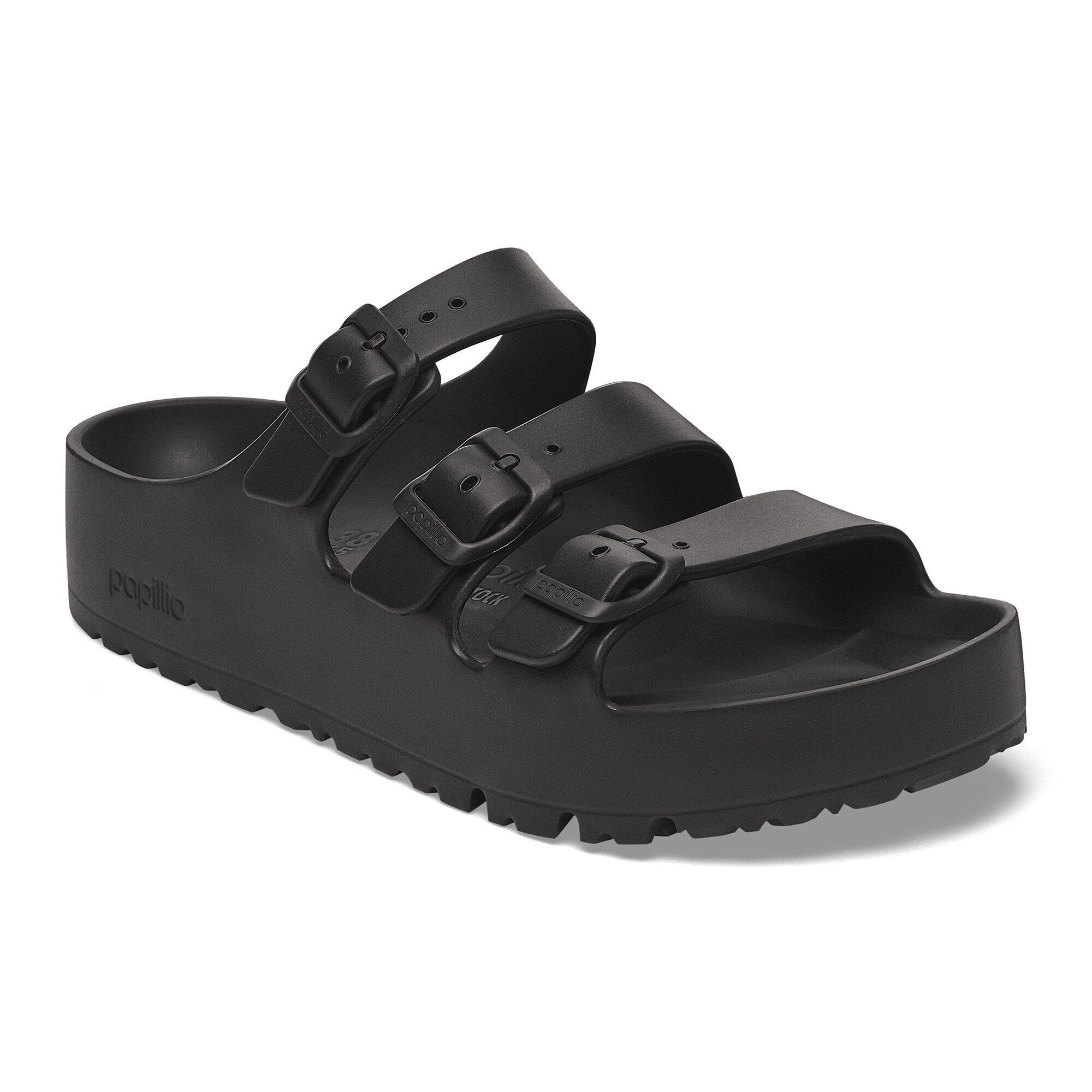
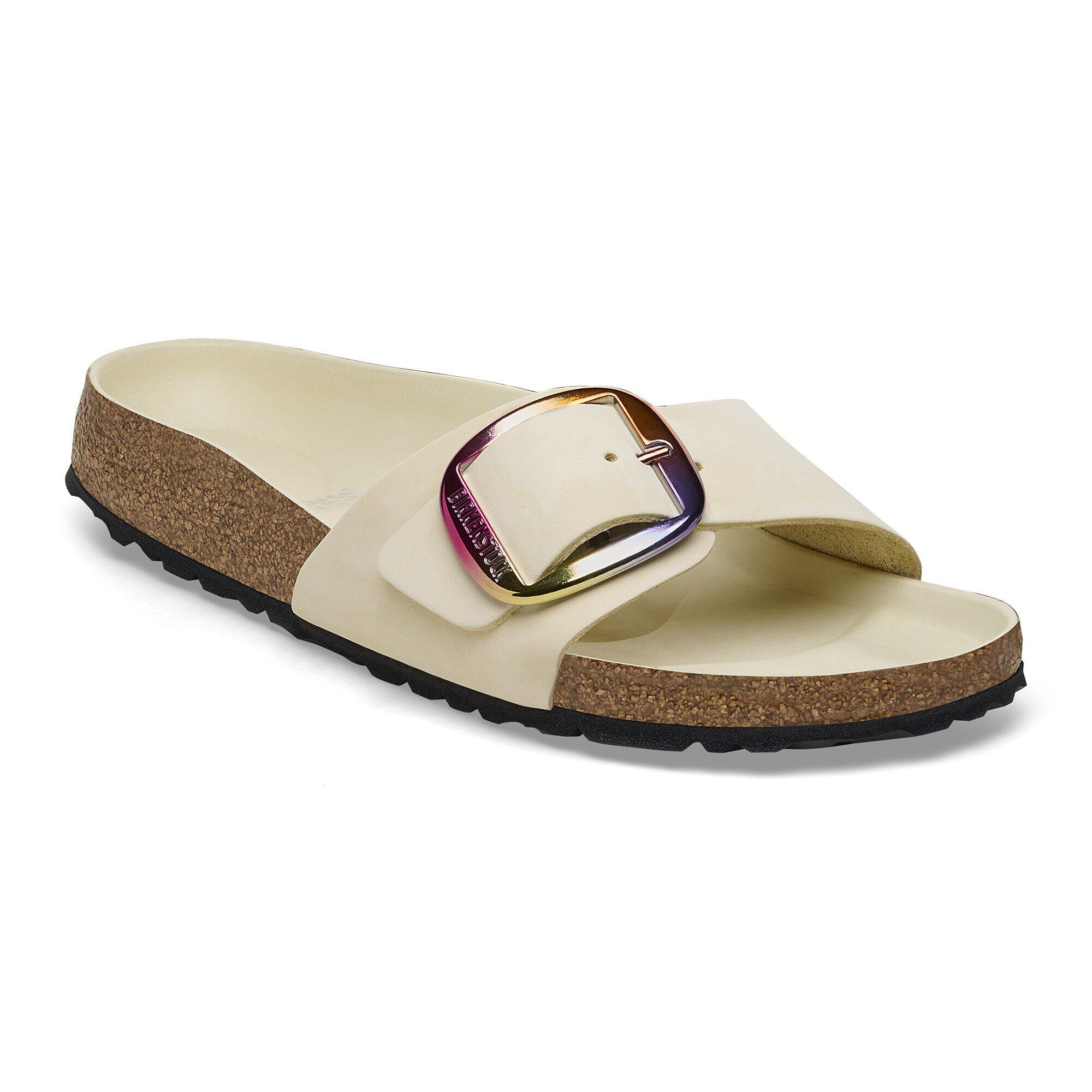
Many classic Birkenstock styles are available in both footbed options. For instance, the iconic Florida Fresh Nubuck Leather sandal is often seen with the Classic Footbed, offering that traditional feel. Meanwhile, styles like the Boston Pro Natural Leather clog come in both variants—the Standard (Classic) and Soft Footbed versions, so you can choose based on your preference. If you're looking for a more modern, platform style with extra cushioning, the Florida Flex Platform EVA is a great example of a Soft Footbed design that combines elevated style with immediate comfort. For those who love the classic Arizona silhouette but want a softer step, the Arizona Rivet Logo Natural Leather is available in Soft Footbed versions. And if you're after the trendy big buckle look, the Madrid Big Buckle EVA offers a lightweight, water-friendly option with a Soft Footbed feel.
How to Decide: Classic or Soft Footbed?
Here's a quick checklist to help you decide:
- Choose Classic Footbed if: You have high arches, you want maximum orthopedic support, you don't mind a break-in period, and you value long-term durability and custom molding.
- Choose Soft Footbed if: You're new to Birkenstocks, you have flat feet or sensitive feet, you need comfort immediately, or you spend long hours on hard floors.
Care Tips for Both Footbeds
To extend the life of your Birkenstocks, avoid soaking them in water (especially the cork footbed). For the Classic Footbed, use a cork sealer every few months to maintain flexibility. For the Soft Footbed, the foam layer can be gently spot-cleaned with a damp cloth. Both benefit from regular brushing of the suede lining to remove dirt. And remember—never put your Birkenstocks in the washing machine or dryer.
Final Thoughts
Both the Classic and Soft Footbeds offer excellent arch support and comfort, but they serve different needs. The Classic Footbed is the purist's choice for maximum orthopedic benefit, while the Soft Footbed provides a more forgiving, cushioned experience that's ideal for everyday wear. Whichever you choose, you're investing in foot health and timeless style.
Ready to find your perfect fit? Explore our collection of Boston Pro Natural Leather clogs in both footbed options, and step into comfort that lasts a lifetime.