Birkenstock Soft Footbed vs. Classic Footbed: Which Offers Better Comfort and Support?
By birkenstock | Published: 2026-05-25
Category: Product Reviews
Discover the key differences between Birkenstock Soft Footbed and Classic Footbed: comfort, arch support, break-in time, and which style suits your needs. Expert comparison with product recommendations.
When it comes to iconic footwear, few brands deliver the same level of orthopedically inspired comfort as Birkenstock. At the heart of every pair lies the legendary footbed—a contoured design that cradles your foot, supports your arch, and promotes natural alignment. But in recent years, Birkenstock has introduced two distinct footbed options: the Classic Footbed (the original cork-latex core) and the Soft Footbed (which adds an extra layer of cushioning). Choosing between them can be confusing, especially if you're new to the brand or have specific comfort needs.
In this comprehensive Birkenstock footbed comparison, we'll break down the construction, feel, break-in process, and ideal use cases for each footbed. Whether you prioritize immediate plushness or long-term support, understanding these differences will help you make the right purchase. We'll also highlight real-world products so you can see how each footbed performs in popular styles.
What Is the Birkenstock Classic Footbed?
The Classic Footbed is the original design that made Birkenstock famous. It features a multi-layered construction:
- Cork-Latex Core: A blend of natural cork and latex that molds to your foot over time, creating a custom fit.
- Jute Layer: Adds durability and moisture-wicking properties.
- Deep Heel Cup: Stabilizes the heel and promotes proper alignment.
- Arch Support: A pronounced longitudinal arch support that cradles the foot's natural shape.
- Metatarsal Pad: A raised area behind the toes that encourages a natural gripping motion.
The Classic Footbed is firm and supportive from day one. It requires a break-in period (usually 1–2 weeks of regular wear) during which the cork layers gradually conform to the contours of your feet. Once broken in, it offers unmatched, customized support that can last for years.
What Is the Birkenstock Soft Footbed?
The Soft Footbed was introduced to provide a more cushioned experience right out of the box. It retains the same anatomical shape and support features as the Classic Footbed but adds a soft foam layer (usually polyurethane) between the cork core and the suede lining. This layer significantly reduces the initial firmness and shortens the break-in period.
Key differences include:
- Extra Cushioning: A 3–5mm foam layer absorbs shock and provides immediate comfort.
- Shorter Break-In: Most wearers find the Soft Footbed comfortable from the first wear, with minimal discomfort.
- Same Anatomical Shape: The heel cup, arch support, and metatarsal pad are identical to the Classic Footbed.
- Slightly Higher Profile: The added foam increases overall thickness by a few millimeters.
The Soft Footbed is ideal for those who want Birkenstock support without the prolonged break-in, or for people with sensitive feet who prefer a softer feel.
Head-to-Head Comparison: Classic vs. Soft Footbed
To help you decide, here's a side-by-side breakdown of the most important factors:
| Factor | Classic Footbed | Soft Footbed |
|---|---|---|
| Initial Comfort | Firm & supportive; may feel hard at first | Plush & cushioned; comfortable immediately |
| Break-In Time | 1–2 weeks of regular wear | Minimal; often comfortable from day one |
| Arch Support | Pronounced, firm support | Same shape, but slightly softened by foam |
| Shock Absorption | Low; relies on cork's natural resilience | High; foam layer absorbs impact |
| Long-Term Moldability | Excellent; cork conforms to foot over time | Good, but foam may compress faster |
| Durability | Very durable; cork can last 5+ years | Durable, but foam may wear faster |
| Weight | Lightweight | Slightly heavier due to foam |
| Best For | Those wanting a custom, long-lasting fit | Immediate comfort & sensitive feet |
Which Footbed Is Right for You?
Your choice depends on your priorities. If you value long-term moldability and don't mind a break-in period, the Classic Footbed is your best bet. It's perfect for people who plan to wear their Birkenstocks for years and want a footbed that becomes uniquely theirs. For example, the Tokio Nubuck Leather features the Classic Footbed—ideal for those who need robust support in a closed-toe clog that can transition from work to weekend.
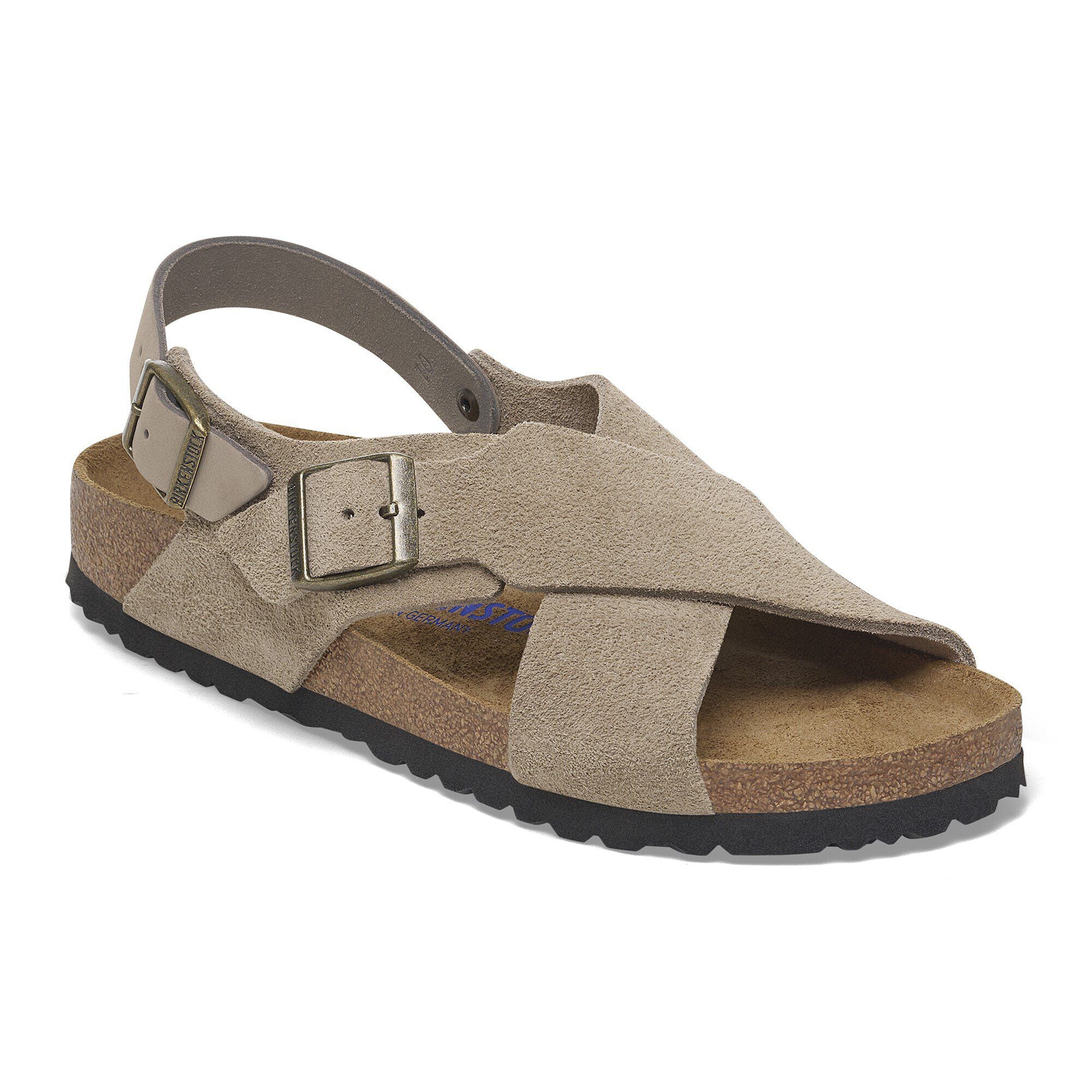
If you want instant comfort and a softer feel, the Soft Footbed is the way to go. It's especially popular among first-time Birkenstock buyers or anyone who spends long hours on their feet. A great example is the Tulum Soft Footbed Suede Leather Nubuck, which combines the Soft Footbed with a stylish, modern silhouette—perfect for all-day wear without the break-in.
How Footbed Choice Affects Shoe Style
Birkenstock offers both footbed options across many of their iconic styles. For instance, many of their sandals—like the Arizona and Madrid—are available in both Classic and Soft Footbed versions. The same applies to clogs and boots. However, some models are only offered with one footbed type, so it's important to check product details before purchasing.
Sandals
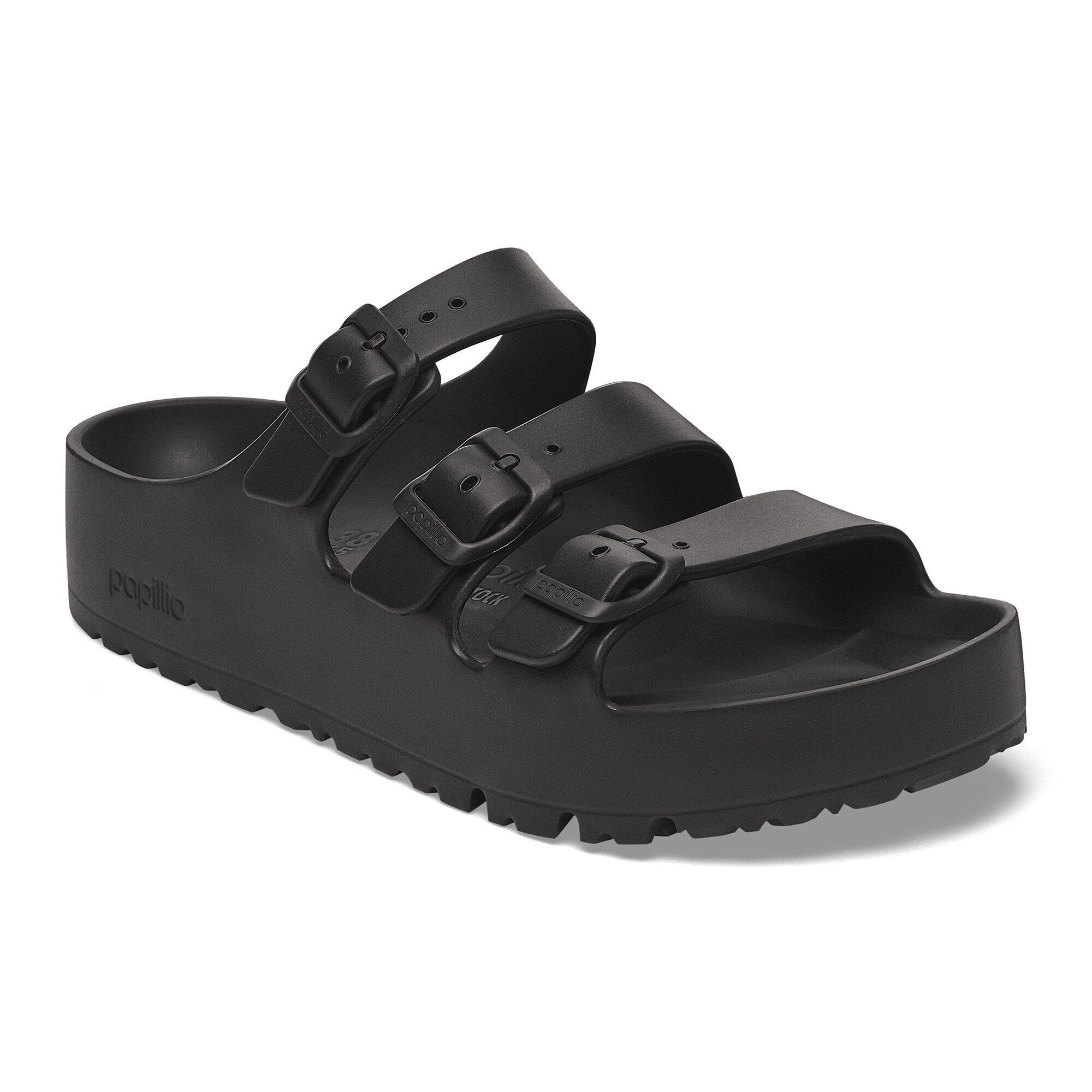
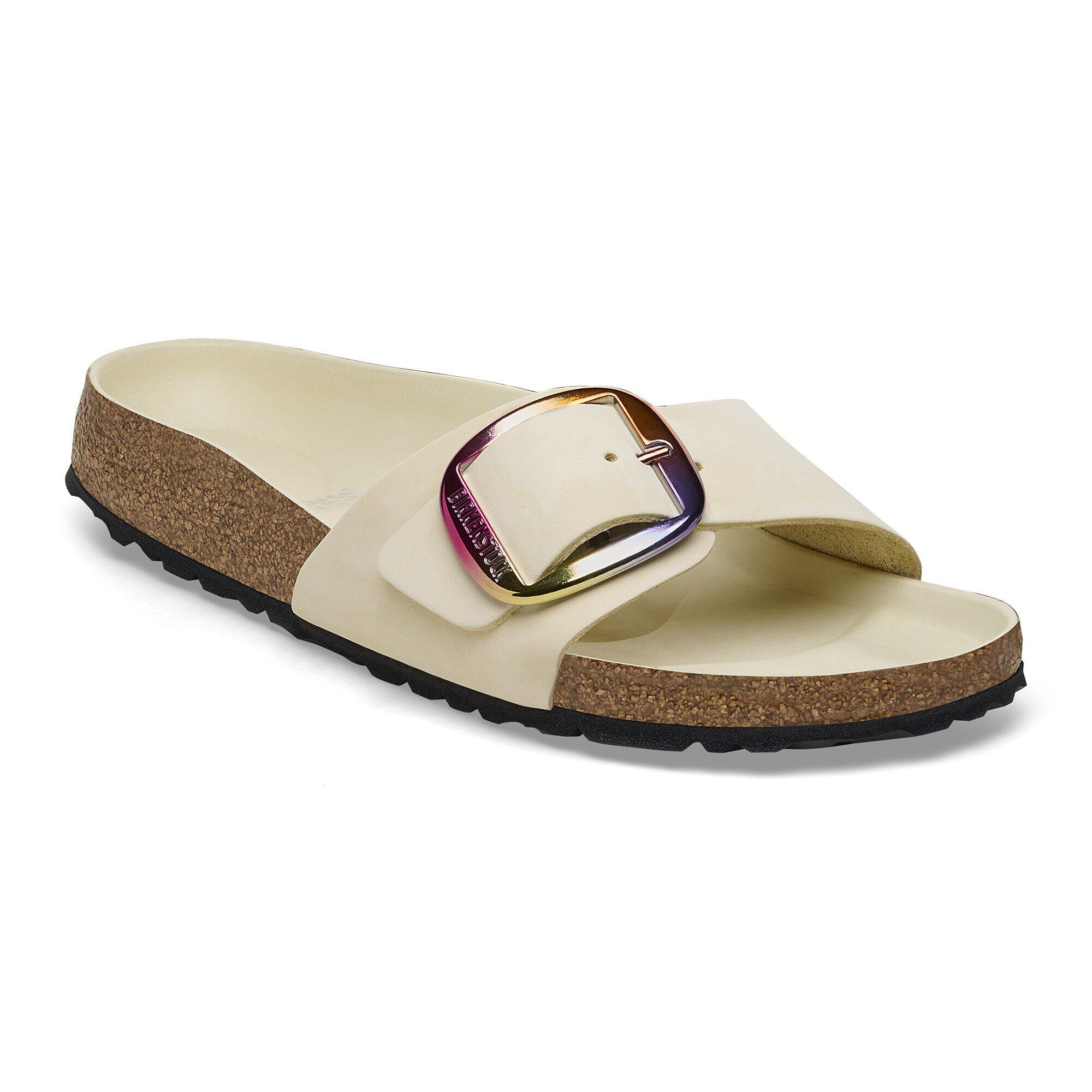
In sandals, the Classic Footbed provides a firm, stable foundation that works well for warm-weather walking. The Soft Footbed adds a layer of luxury, making sandals feel like slippers. For a dressier sandal with a touch of elegance, consider the Madrid Big Buckle EVA (which uses a different footbed material for water-friendly use), but for a leather sandal with the Soft Footbed, look for models like the Tulum.
Clogs
Birkenstock clogs, such as the Boston and Tokio, are often available in both footbed types. The Classic Footbed in a clog offers excellent arch support for standing all day—great for chefs or healthcare workers. The Soft Footbed in a clog provides a plusher feel that many find more comfortable for casual wear.
Boots & Sneakers
In closed-toe styles like the Bend Low, Birkenstock typically uses the Classic Footbed to maintain a low profile and ensure a snug fit. For instance, the Bend Low Suede Leather (note: product code 20575) features the Classic Footbed, offering the same anatomical support in a sneaker silhouette. However, some newer models may incorporate the Soft Footbed for added comfort.
Real-World Testing: What Wearers Say
I spoke with several long-time Birkenstock enthusiasts to get their take on the footbed debate:
- Maria, 34 (Classic Footbed fan): "I've worn Classic Footbed Arizonas for five years. They molded perfectly to my high arches. My feet never ache, even after a full day of walking in cities. The break-in was tough, but worth it."
- James, 42 (Soft Footbed convert): "I tried Classic Footbed sandals but couldn't stand the firmness. Then I got the Tulum Soft Footbed—they were comfortable immediately. I now wear them daily and my plantar fasciitis has improved."
- Lisa, 28 (new to Birkenstock): "I bought the Tokio with Classic Footbed for work. The first week was rough, but now they're the most comfortable shoes I own. I appreciate that they'll last longer."
These testimonials highlight that neither footbed is universally better—it's about matching the footbed to your lifestyle and foot sensitivity.
Care and Maintenance Tips
No matter which footbed you choose, proper care extends its life:
- For Classic Footbed: Avoid excessive moisture, as cork can dry out and crack. Use a cork sealant every few months. Clean the suede lining with a dry brush.
- For Soft Footbed: The foam layer is more sensitive to heat—avoid leaving shoes in a hot car. Spot clean with a damp cloth and mild soap. Replace insoles if they compress significantly over time.
- General Tips: Rotate between two pairs to let the cork and foam decompress. Use shoe trees to maintain shape. Store away from direct sunlight.
Final Verdict
The Classic Footbed is the gold standard for those who want a custom, long-lasting fit and are willing to endure a short break-in period. It's ideal for people with high arches or those who plan to wear their Birkenstocks daily for years. The Soft Footbed offers immediate plushness and is perfect for sensitive feet, first-time buyers, or anyone who prioritizes comfort from the first step.
Both footbeds share the same anatomical shape, so you're getting excellent support either way. The choice ultimately comes down to your comfort preferences and how much time you're willing to invest in breaking them in.
Ready to Find Your Perfect Fit?
Now that you understand the differences, it's time to try a pair for yourself. If you're leaning toward instant comfort, explore the Tulum Soft Footbed Suede Leather Nubuck—a stylish, cushioned option that requires no break-in. For those who prefer the classic, long-lasting support of the original footbed, the Tokio Nubuck Leather is a versatile choice that will mold to your feet over time. Whichever you choose, you're investing in foot health that lasts.