Birkenstock Soft Footbed vs. Classic Footbed: Which Offers Better Arch Support for Different Foot Types?
By birkenstock | Published: 2026-06-11
Category: Product Reviews
Compare Birkenstock soft footbed and classic footbed to discover which offers better arch support for high arches, flat feet, and everyday comfort. Expert guide with product recommendations.
When it comes to foot health and all-day comfort, few brands are as revered as Birkenstock. The secret lies in the footbed — the anatomical foundation that has made these sandals, clogs, and shoes a global sensation. But did you know that Birkenstock offers two distinct footbed options? The original classic footbed and the newer Birkenstock soft footbed each provide unique benefits. In this comprehensive guide, we’ll break down the differences in arch support, cushioning, and fit so you can choose the perfect footbed for your foot type. Whether you have high arches, flat feet, or simply crave more padding, this Birkenstock footbed comparison will help you make an informed decision.
Understanding the Birkenstock Footbed Design Philosophy
Before diving into the classic vs. soft footbed debate, it’s essential to understand what makes any Birkenstock footbed special. Each footbed is crafted from a blend of cork and latex, which molds to the shape of your foot over time. The hallmark features include:
- Deep heel cup — stabilizes the foot and aligns the heel bone.
- Longitudinal arch support — cradles the inner arch to prevent overpronation.
- Metatarsal pad — a raised bump under the ball of the foot that encourages natural toe spread and grip.
- Toe ridge — a subtle raised edge that keeps toes from sliding forward.
Both the classic and soft footbeds share these core anatomical contours. The difference lies in the layer of cushioning added to the soft footbed, which changes the feel underfoot — and the level of immediate comfort versus long-term support.
Classic Footbed: The Original Support System
The classic Birkenstock footbed is the one that built the brand’s reputation. It consists of a firm cork-latex core covered with a thin layer of suede. There is no extra foam or padding. This design forces your foot to work with the contours, promoting natural alignment and muscle engagement. Over time, the cork compresses and shapes to your unique foot anatomy.
Who benefits from the classic footbed?
- People with high arches: The firm, pronounced arch support lifts and cradles high arches effectively.
- Those with strong feet: If your feet are already fairly strong and need structural guidance rather than plushness, the classic footbed is ideal.
- Walkers and standers: Many healthcare professionals recommend the classic footbed for plantar fasciitis because it encourages the foot to function naturally.
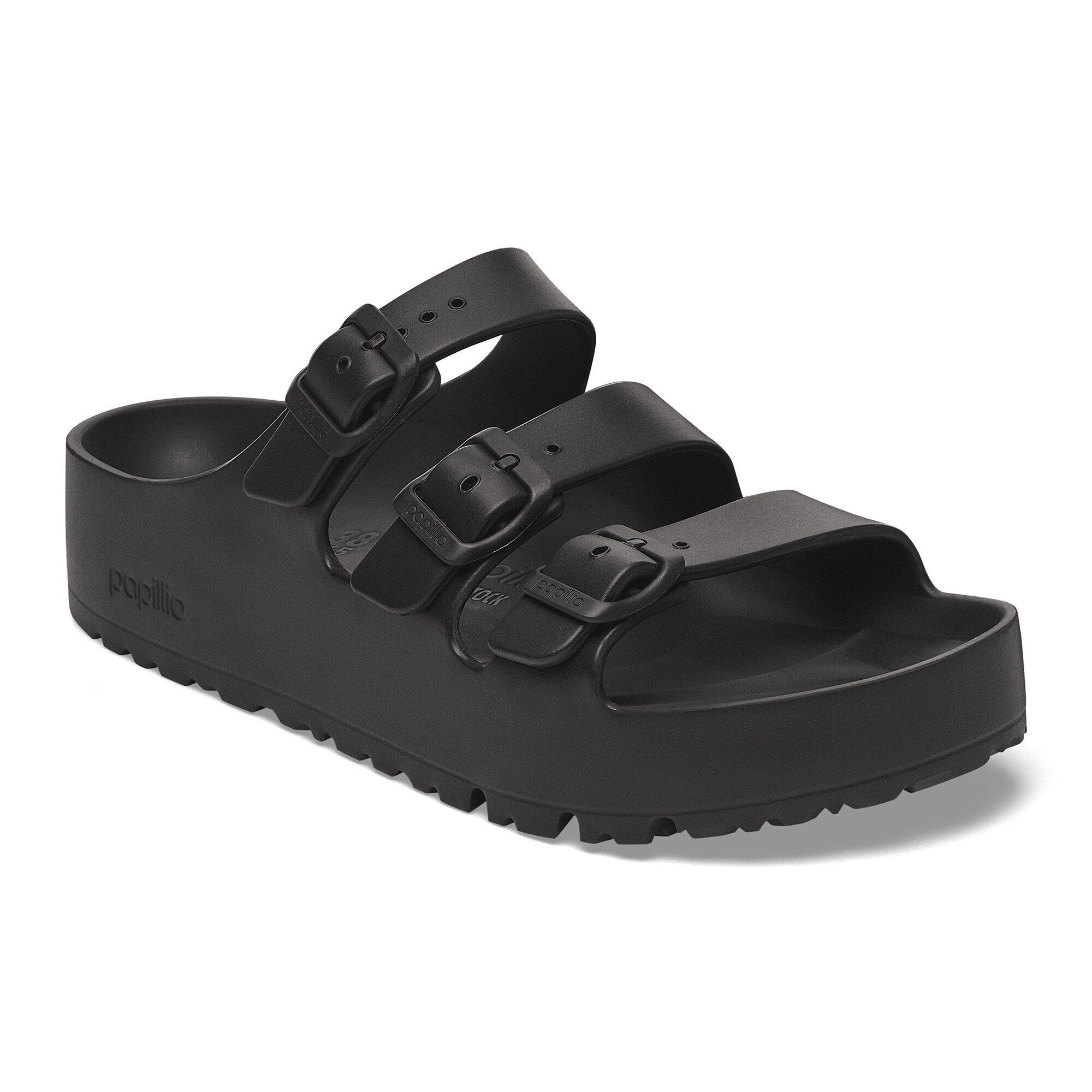
Popular styles that use the classic footbed include the iconic two-strap Arizona PAP Flex Platform Nubuck Leather and the elegant Bend Low Natural Leather Patent. These models showcase how the classic footbed pairs with both casual and dressier aesthetics.
Soft Footbed: Extra Cushioning Without Sacrificing Support
Introduced to cater to those who find the classic footbed too firm, the Birkenstock soft footbed adds a 5mm layer of foam cushioning between the suede lining and the cork base. This layer provides immediate plushness while retaining the anatomical arch support and heel cup. The soft footbed is not a separate product — it is an option available on select styles, often indicated by a small foam pad visible at the heel.
Who benefits from the soft footbed?
- People with flat feet or low arches: The extra cushioning helps absorb shock and distributes pressure more evenly, which can reduce fatigue.
- First-time Birkenstock wearers: The softer feel makes the break-in period shorter and more comfortable.
- Those on their feet all day: The added foam reduces impact on joints, making it a favorite among nurses, teachers, and retail workers.
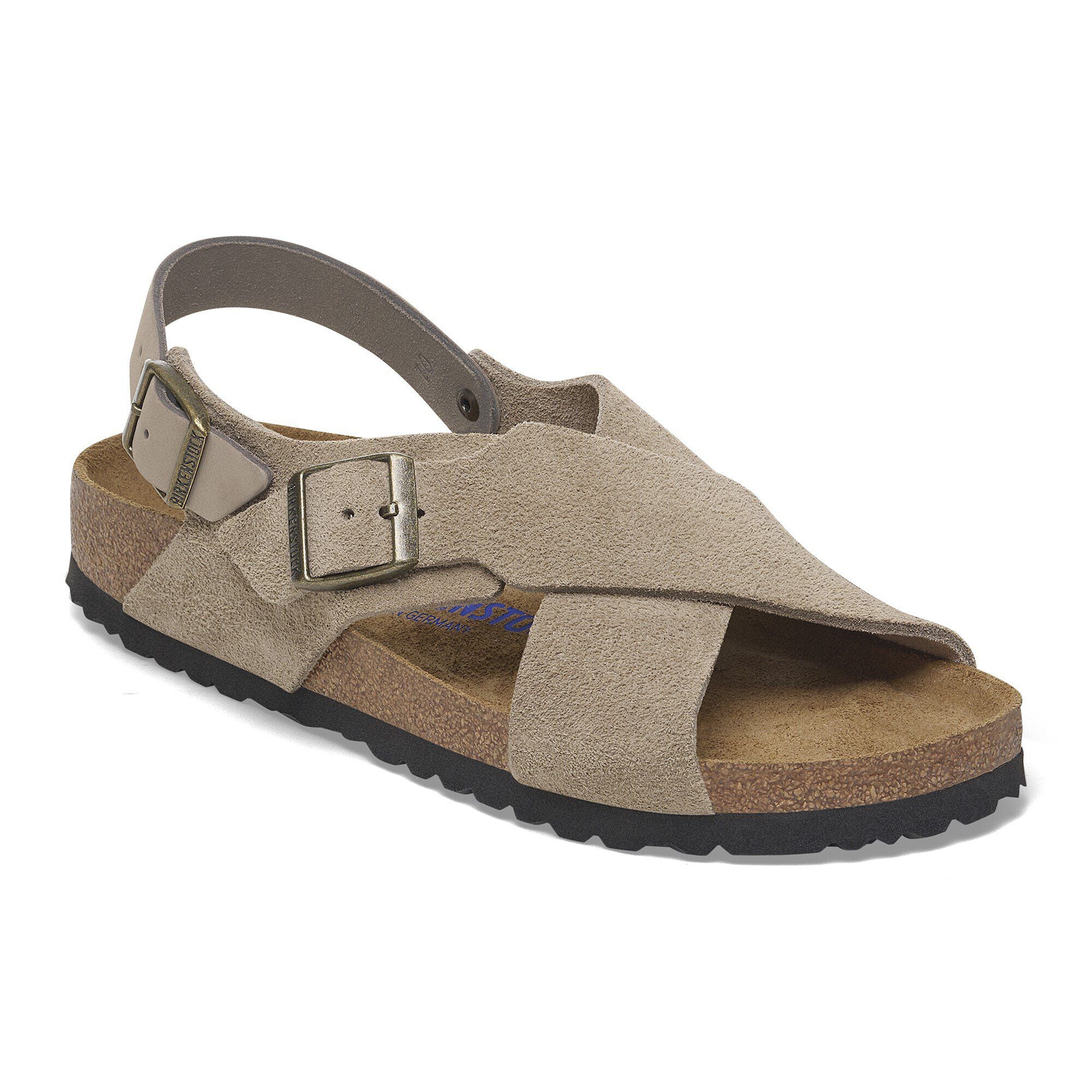
A standout example is the Bend Decon Slip On Textile, which features the soft footbed for easy, cushioned wear. Another option is the Tokio Suede Leather, a closed-toe clog that combines the soft footbed with a back strap for secure fit.
Side-by-Side Comparison: Classic vs. Soft Footbed
| Feature | Classic Footbed | Soft Footbed |
|---|---|---|
| Arch support | Firm, pronounced | Supported but slightly muted by foam |
| Cushioning | Minimal (cork + suede only) | 5mm foam layer for plush feel |
| Break-in period | Longer (1–3 weeks) | Shorter (few days to 1 week) |
| Best for foot type | High arches, strong feet | Flat feet, low arches, sensitive feet |
| Weight | Lighter | Slightly heavier due to foam |
| Durability | Very durable; cork molds over time | Foam may compress faster over years |
| Ideal use | Long walks, standing on hard floors | All-day wear, transitional seasons |
How Arch Support Differs Between the Two Footbeds
Arch support is the most critical factor in choosing between these footbeds. The classic footbed’s support is unyielding — it pushes into your arch and encourages your foot to align. For high-arched feet, this is heaven. For flat feet, it can feel like too much pressure initially, though many adapt and love it.
The soft footbed’s arch support is slightly less aggressive because the foam layer compresses under weight, reducing the direct contact with the cork contour. This makes it more forgiving for flat feet or those with collapsed arches. However, some podiatrists argue that the soft footbed provides less long-term correction because the foam can mask misalignment.
If you have neutral arches (normal pronation), both footbeds work well — your choice depends on whether you prioritize immediate plushness or a firm, custom-molded feel over time.
Real-World Recommendations for Different Foot Types
High Arches → Classic Footbed
Your foot needs that firm lift to properly distribute weight. The classic footbed will feel supportive from day one. Models like the Bend Chelsea Natural Leather offer a sleek boot silhouette with the classic footbed, perfect for urban exploring.
Flat Feet / Low Arches → Soft Footbed
You benefit from the shock absorption and slightly gentler arch shape. Try the Bend Decon Slip On Textile for a casual slip-on experience.
Sensitive Feet / Arthritis → Soft Footbed
Extra cushioning reduces joint pain. The Tokio Suede Leather is an excellent choice for those who need a closed-toe option with soft support.
Plantar Fasciitis → Classic Footbed (with patience)
Many experts recommend the classic footbed for plantar fasciitis because it stretches the plantar fascia effectively. However, the soft footbed can be a gentler start if the pain is acute.
Which Footbed Should You Choose for Everyday Wear?
If your daily routine involves a mix of walking, standing, and sitting, the soft footbed often wins for all-day comfort. Its plushness reduces fatigue, especially on hard surfaces like concrete or tile. For example, professionals in hospitality or healthcare frequently choose the Bend Decon Slip On Textile for its combination of soft footbed and easy on/off design.
However, if you are a hiker, a serious walker, or someone who values maximum foot strengthening, the classic footbed is superior. It encourages your foot muscles to work, which can improve overall foot health over time. The Bend Low Natural Leather Patent is a classic-footbed style that transitions from day to night effortlessly.
Conclusion: Listen to Your Feet
Choosing between Birkenstock’s classic and soft footbed ultimately comes down to your foot type, pain points, and personal preference. There is no universally “better” option — only what works best for you. We recommend trying both footbeds in-store if possible, or ordering a pair of each with free returns to compare at home.
Whichever you choose, you’re investing in one of the best arch support systems on the market. Start your journey with a style that matches your lifestyle — explore the Bend Decon Slip On Textile for soft footbed comfort, or the Arizona PAP Flex Platform Nubuck Leather for classic support. Your feet will thank you.