Birkenstock Boots vs. Shoes: Which Style Offers Better Support for All-Day Wear?
By birkenstock | Published: 2026-06-02
Category: Product Reviews
Compare Birkenstock boots and shoes for all-day support, arch comfort, and durability. Discover which style best suits your work, travel, or casual needs.
When you're on your feet all day—whether at work, running errands, or exploring a new city—the right footwear can make the difference between energy and exhaustion. Birkenstock has long been celebrated for its orthopedic footbeds and anatomical support, but the choice between Birkenstock boots and Birkenstock shoes often comes down to more than just style. In this comprehensive comparison, we'll break down the key differences in support, comfort, durability, and versatility to help you decide which option is best for your all-day wear needs.
Understanding Birkenstock's Support Philosophy
Before diving into boots versus shoes, it's essential to understand what makes Birkenstock footwear unique. The brand's signature cork-latex footbed is designed to mold to the shape of your foot over time, providing customized arch support, deep heel cup, and natural toe splay. This foundation is present in both boots and shoes, but the overall construction—including upper materials, sole thickness, and closure systems—can alter the support experience.
Birkenstock Boots: Maximum Coverage and Stability
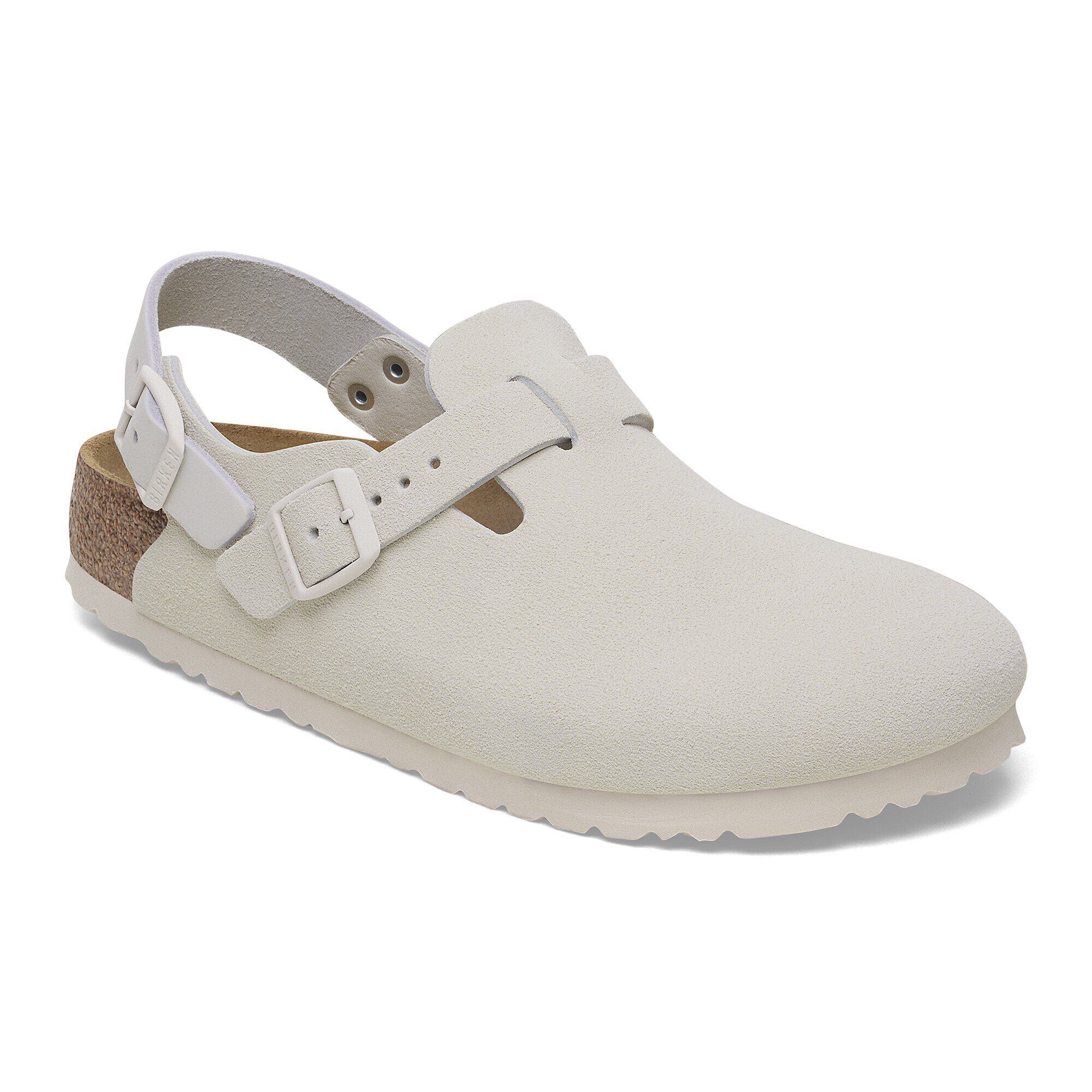
Birkenstock boots, such as the Uppsala Mid Suede Leather and the Tokio Suede Leather, offer full ankle coverage and a secure fit that locks the foot in place. This design provides superior lateral stability, making boots an excellent choice for uneven terrain, long walks, or standing on hard floors. The higher shaft also helps reduce fatigue by distributing pressure across the lower leg rather than concentrating it on the arch alone.
For cold weather or rugged conditions, the Honnef 365 Natural Leather boot combines the classic footbed with a durable leather upper and a grippy rubber outsole. Its padded collar and generous toe box allow for comfortable all-day wear without sacrificing warmth. Many users report that these boots feel supportive from the first wear, with minimal break-in compared to traditional leather boots.
Key Support Features of Birkenstock Boots
- Ankle stability: The shaft prevents lateral rolling, ideal for active days.
- Insulation: Leather and shearling linings add warmth without bulk.
- Secure closure: Laces or adjustable straps keep the foot snugly in place.
- Outsole grip: Deeper tread patterns enhance traction on slippery or uneven surfaces.
Birkenstock Shoes: Versatility and Breathability
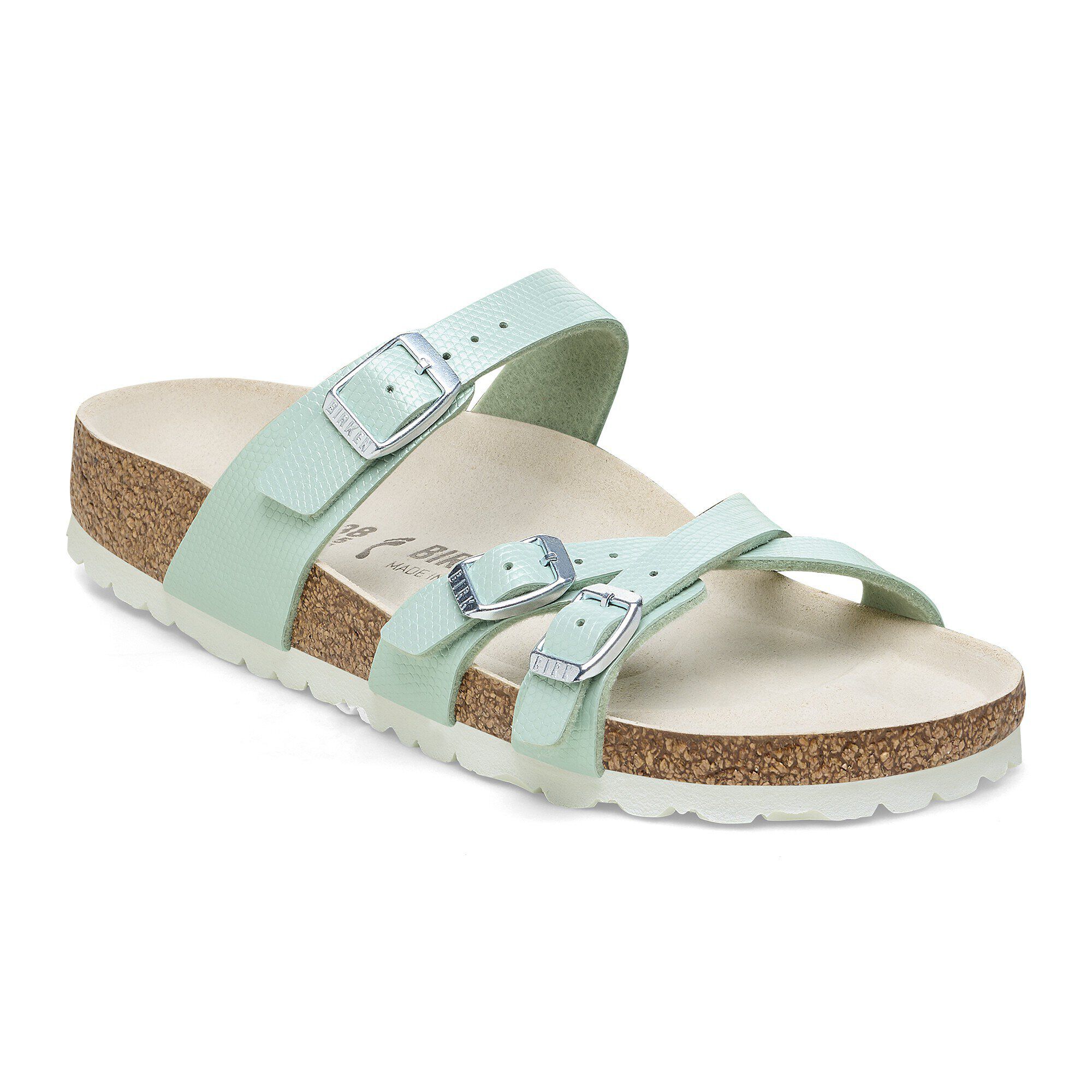
Birkenstock shoes cover a wide range of styles, from closed-toe sneakers to slip-ons and clogs. Models like the Bend Low Suede Leather Embossed offer a lower profile while still delivering the brand's trademark arch support. Shoes are generally lighter and more breathable than boots, making them ideal for warmer climates or indoor work environments.
For those who prioritize a sleek look without sacrificing support, the Sibyl Ring-Buckle Nubuck Leather shoe combines a refined aesthetic with a contoured footbed. Its adjustable buckle allows for a customized fit, accommodating different foot volumes. Similarly, the Naples Wrapped Natural Leather Oiled shoe offers a soft, flexible upper that adapts to the foot's natural motion while maintaining the structural integrity of the footbed.
Key Support Features of Birkenstock Shoes
- Lightweight construction: Reduces fatigue during prolonged standing.
- Breathable materials: Leather and suede allow air circulation to keep feet dry.
- Easy on/off: Slip-on designs like clogs are convenient for quick changes.
- Flexible sole: Allows natural foot movement while still supporting the arch.
Head-to-Head Comparison: Boots vs. Shoes for All-Day Support
| Feature | Birkenstock Boots | Birkenstock Shoes |
|---|---|---|
| Ankle support | Excellent (high shaft) | Moderate (low cut) |
| Arch support | Same footbed as shoes | Same footbed as boots |
| Weight | Heavier (more material) | Lighter (less material) |
| Breathability | Lower (insulated) | Higher (open or vented) |
| Best for | Cold weather, hiking, standing | Warm weather, office, casual |
| Break-in period | Longer (stiffer upper) | Shorter (softer upper) |
Which Style Is Best for Your All-Day Needs?
For Standing Desks and Office Work
If you spend eight hours or more at a standing desk, both boots and shoes can work, but shoes typically offer more breathability and less weight. The Boston Mixed Leather clog, for example, combines a roomy toe box with a secure heel cup, making it a favorite among healthcare workers and retail staff. Its slip-on design also allows for easy removal during breaks.
For Outdoor Activities and Travel
Boots like the Uppsala Mid Suede Leather are better suited for long walks on uneven surfaces. The added ankle support reduces the risk of sprains, while the durable sole provides traction on gravel or cobblestones. Shoes, on the other hand, are ideal for city strolling or museum visits where you need to take them on and off frequently.
For Warm vs. Cold Climates
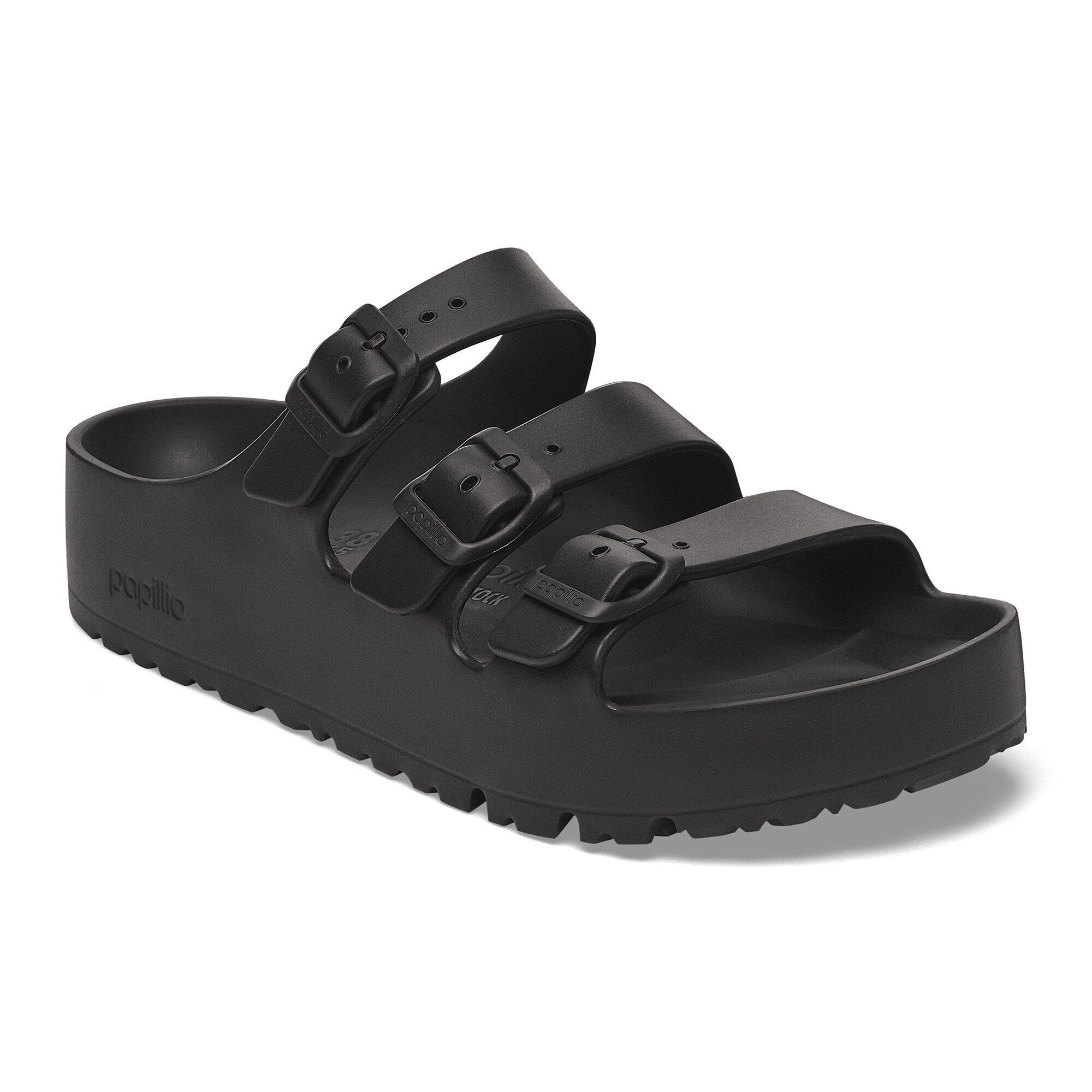
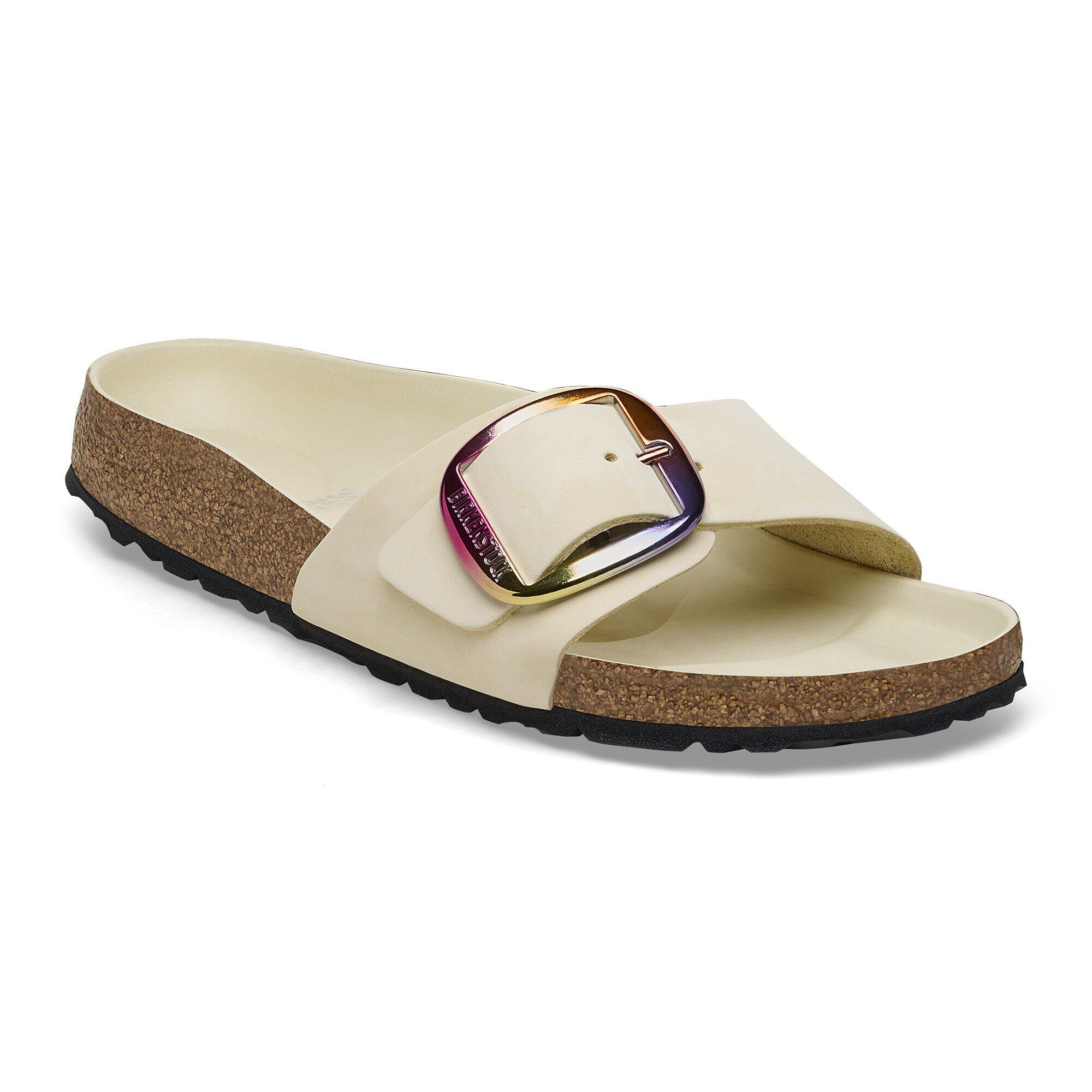
In warmer months, Birkenstock shoes—including open-toe sandals like the Madrid Big Buckle EVA—offer maximum airflow and minimal weight. For winter, boots with shearling or insulated linings keep feet warm without compromising the supportive footbed. The Tokio Suede Leather boot, with its closed-back design and padded collar, is a popular choice for cold-weather wear.
Material Impact on Support
The upper material also influences how support is delivered. Suede and nubuck leathers, like those used in the Bend Low Suede Leather Embossed, are softer and require less break-in, but they may stretch over time. Full-grain leather, as seen in the Honnef 365 Natural Leather boot, is more rigid and provides greater structural support but takes longer to conform to the foot. EVA models, like the Madrid Big Buckle EVA, are lightweight and waterproof, but the footbed is less durable than cork and may compress faster with heavy use.
Durability and Long-Term Support
Both boots and shoes are built to last, but boots generally have thicker outsoles and more robust stitching, making them better suited for heavy wear. The cork footbed in both styles will compress slightly over time, which is normal and actually enhances customization. However, if you plan to wear the same pair daily for years, boots may offer a longer lifespan due to their reinforced construction.
Final Verdict
Choosing between Birkenstock boots and shoes for all-day support ultimately depends on your environment and personal preference. If you need maximum stability, ankle protection, and weather resistance, Birkenstock boots are the clear winner. If you prioritize breathability, lightweight feel, and versatility across seasons, Birkenstock shoes offer exceptional support without the bulk. In both categories, the iconic footbed ensures that your feet remain comfortable, aligned, and energized from morning to night.
Explore Your Perfect Fit
Ready to experience all-day support for yourself? Browse our full collection of Boston Mixed Leather clogs, boots, and shoes to find the style that best matches your lifestyle. Whether you're standing, walking, or just relaxing, Birkenstock has the support you need.