Birkenstock Boots vs. Shoes: Best Support for Hiking & Urban Exploring
By birkenstock | Published: 2026-06-10
Category: How-to Guides
Compare Birkenstock boots and shoes for hiking and urban exploring. Discover which style offers superior arch support, durability, and comfort for your adventures.
When you're planning a day of hiking or exploring a new city, the right footwear can make or break your experience. Birkenstock has long been celebrated for its ergonomic footbeds and exceptional arch support, but the brand offers more than just iconic sandals. Today, Birkenstock boots and shoes are gaining popularity among outdoor enthusiasts and urban wanderers alike. But which style truly delivers better support for hiking and urban exploring? In this guide, we’ll break down the key differences, features, and best uses for each, helping you choose the perfect pair for your next adventure.
Why Arch Support Matters for Hiking and Urban Exploring
Whether you're trekking uneven forest trails or navigating cobblestone streets, your feet endure constant impact and strain. Proper arch support helps distribute pressure evenly, reduces fatigue, and prevents common issues like plantar fasciitis and shin splints. Birkenstock’s signature contoured footbed—crafted from cork and latex—molds to the shape of your foot over time, providing customized support that few other brands can match. This technology is available in both boots and shoes, but the design and intended use differ significantly.
Birkenstock Boots: Rugged Support for the Trail
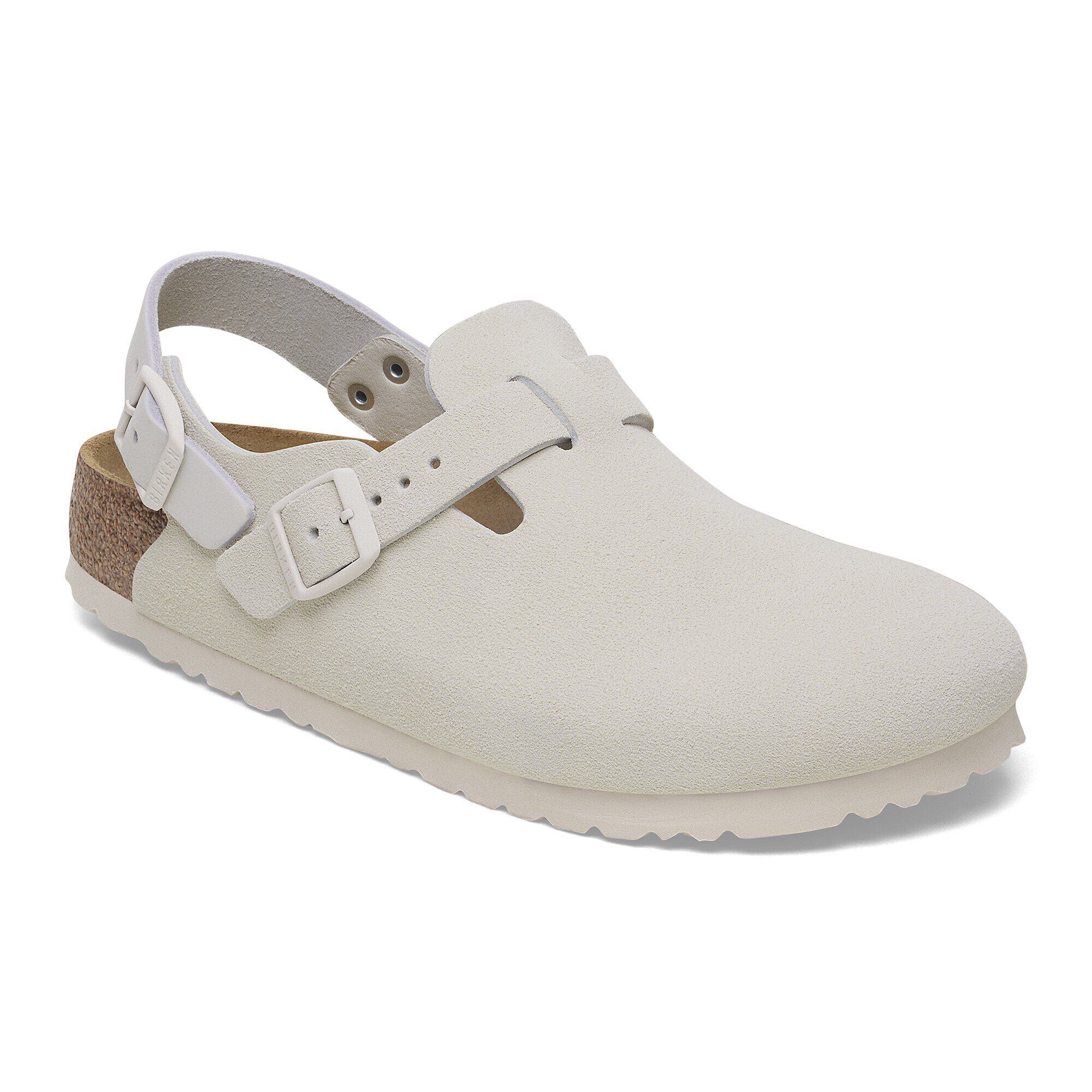
Birkenstock boots are engineered for durability and protection. They typically feature higher ankle shafts, sturdy outsoles with deeper treads, and robust materials like oiled leather or suede. These elements are ideal for hiking where stability on uneven terrain is critical. For example, the Tokio Suede Leather boot combines the brand’s classic footbed with a supportive ankle collar and a grippy rubber sole. This design offers excellent ankle stability while keeping your feet comfortable during long descents. Similarly, the Boston Big Buckle Shearling Natural Leather Oiled boot adds a cozy shearling lining for cold-weather hikes, ensuring warmth without sacrificing breathability. The oiled leather upper also resists moisture, making it a reliable choice for damp trails.
For urban exploring, boots provide extra protection against puddles, debris, and cold winds. However, they can feel heavier and less flexible on flat pavement. If your urban adventure involves a mix of subway stairs, museum queues, and sidewalk cafes, you might find boots a bit cumbersome after several hours. Still, for those who prioritize ankle support and all-weather versatility, Birkenstock boots are a top-tier option.
Birkenstock Shoes: Lightweight Versatility for the City
Birkenstock shoes, on the other hand, are designed for everyday wear and lighter activity. Models like the Bend Low Suede Leather Light Rose offer a lower profile that feels more like a sneaker but retains the supportive footbed. The suede upper is soft and flexible, making it easy to slip on and off—perfect for urban exploring where you might need to remove shoes for security checks or indoor visits. The bend construction also includes a padded collar and a flexible outsole, providing a good balance of cushioning and ground feel.
Another excellent choice is the Bend Low Suede Leather Embossed, which features a textured upper for added style and durability. These shoes are lightweight enough for all-day walking tours yet supportive enough to prevent foot fatigue. Unlike boots, shoes allow greater freedom of movement for the ankle, which some walkers prefer on even surfaces. However, they lack the ankle support needed for rocky trails, so they are best suited for urban environments and easy, well-maintained paths.
Key Comparison: Boots vs. Shoes for Hiking
| Feature | Birkenstock Boots | Birkenstock Shoes |
|---|---|---|
| Ankle Support | High – ideal for uneven terrain | Low – better for flat surfaces |
| Weight | Heavier – can tire feet over long distances | Lighter – easier for all-day wear |
| Traction | Deep lugs for mud and rocks | Shallow tread for pavement |
| Weather Protection | Excellent – often waterproof or water-resistant | Moderate – suede may absorb moisture |
| Arch Support | Same high-quality footbed | Same high-quality footbed |
| Best For | Hiking, cold weather, rough trails | Urban exploring, casual walks, travel |
Which Is Better for Urban Exploring?
For urban exploring, versatility and comfort over long hours are key. Birkenstock shoes generally win here because they are lighter, more breathable, and easier to pack. The Bend Low Suede Leather Light Rose is a fantastic choice for city strolls: its neutral pink hue pairs well with jeans, chinos, or skirts, and the footbed provides all-day support without the bulk of a boot. If you anticipate rain or colder weather, the Bend Low Suede Leather Embossed offers similar comfort with a more durable finish. However, if your urban exploration includes extensive walking on cobblestones or uneven historic streets, boots like the Tokio can provide extra stability and protection from ankle rolls.
Which Is Better for Hiking?
For serious hiking, boots are the clear winner. The added ankle support, deeper tread, and weather resistance make them safer and more comfortable on trails. The Tokio Suede Leather boot, with its robust construction and grippy sole, can handle moderate hikes with confidence. If you’re hiking in cooler temperatures, the shearling-lined Boston Big Buckle Shearling Natural Leather Oiled will keep your feet warm while still providing the arch support Birkenstock is famous for. That said, for easy, well-groomed trails, shoes like the Bend Low could suffice, especially if you prefer a more minimalist feel.
How to Choose the Right Pair for Your Next Adventure
Consider your primary activity, the terrain, and the climate. If you’re planning a multi-day hiking trip with mixed terrain, invest in a pair of Birkenstock boots. For weekend city breaks or daily urban walks, Birkenstock shoes offer the perfect blend of style and support. Also, think about your foot shape: Birkenstock’s footbed accommodates a wide range of arch types, but those with very high arches or flat feet may benefit from the deeper heel cup found in both styles.
Another factor is break-in time. Birkenstock boots, made from thicker leather, may require a longer break-in period—typically one to two weeks of regular wear. Shoes, especially those with suede uppers, are often more forgiving and comfortable from the start. If you’re new to Birkenstocks, you might prefer starting with a shoe style before graduating to boots.
Final Verdict
Both Birkenstock boots and shoes deliver exceptional arch support and comfort, but they serve different purposes. For hiking and rugged outdoor adventures, boots provide the stability, traction, and protection you need. For urban exploring and casual everyday wear, shoes offer lightweight versatility and easy styling. Ultimately, the best choice depends on your specific needs. If you can, try both styles to see which feels better on your feet. And remember, no matter which you choose, your feet will thank you for the legendary Birkenstock footbed.
Care Tips for Long-Lasting Support
To keep your Birkenstock boots or shoes performing at their best, clean them regularly with a soft brush and mild soap. For suede, use a suede eraser or brush to remove dirt. Avoid soaking leather uppers; instead, apply a water-repellent spray to protect them. Store your footwear in a cool, dry place away from direct heat. With proper care, your Birkenstocks can last for years, providing consistent support mile after mile.
Ready to find your perfect adventure companion? Explore the Bend Low Suede Leather Light Rose for a stylish, supportive shoe that’s ideal for urban exploring, or check out the Tokio Suede Leather boot for rugged trail performance. Your feet will love the difference!